Optimize Your Sleep: 8 Hacks for a Restful and Productive Night explores practical strategies for improving sleep quality. This guide delves into pre-sleep routines, dietary and lifestyle adjustments, and addresses common sleep disorders. By implementing these techniques, you can unlock the transformative power of restful sleep and experience increased productivity and overall well-being.
We’ll examine the impact of factors like screen time, caffeine consumption, and sleep environment on your sleep cycle. We will also cover effective relaxation techniques, dietary choices that promote sleep, and strategies for managing common sleep disorders. Ultimately, this guide aims to equip you with the knowledge and tools to achieve consistently better sleep.
Pre-Sleep Routine Optimization

A consistent and relaxing pre-sleep routine is crucial for promoting better sleep quality. By establishing a predictable wind-down period, your body and mind learn to associate these activities with sleep, making it easier to fall asleep and stay asleep. This section will explore how to optimize your pre-sleep routine for maximum sleep benefit.
Sample Pre-Sleep Routine
A well-structured pre-sleep routine can significantly improve sleep quality. The following routine incorporates relaxation techniques and calming activities to prepare your body and mind for sleep. Remember to adjust the durations to suit your personal preferences and schedule.
| Activity | Description | Duration | Benefits |
|---|---|---|---|
| Digital Detox | Turn off all electronic devices (phones, tablets, computers, TV). | 30 minutes | Reduces exposure to blue light, which can interfere with melatonin production. |
| Warm Bath or Shower | A warm bath or shower can relax muscles and lower your body temperature, promoting sleepiness. | 15-20 minutes | Reduces muscle tension and promotes relaxation. |
| Deep Breathing Exercises | Practice diaphragmatic breathing or box breathing (inhale for 4 seconds, hold for 4 seconds, exhale for 4 seconds, hold for 4 seconds). | 10 minutes | Slows heart rate, lowers blood pressure, and reduces stress. |
| Progressive Muscle Relaxation | Systematically tense and release different muscle groups in your body, starting with your toes and working your way up. | 10 minutes | Reduces muscle tension and promotes overall relaxation. |
| Gentle Stretching or Yoga | Perform light stretches or yoga poses to release tension and improve flexibility. Avoid strenuous activity. | 5 minutes | Reduces muscle tension and improves circulation. |
| Reading a Book (Physical Book) | Read a physical book – avoid e-readers. | 15-20 minutes | Promotes relaxation and reduces mental stimulation. |
Minimizing Screen Time Before Bed and Alternative Calming Activities
Exposure to blue light emitted from electronic devices suppresses melatonin production, a hormone crucial for regulating sleep. Minimizing screen time at least one hour before bed is highly recommended. Instead of screens, consider engaging in calming activities such as reading a physical book, listening to calming music, practicing mindfulness meditation, journaling, or engaging in a relaxing hobby like knitting or drawing.
Creating a Relaxing and Sleep-Conducive Bedroom Environment
The environment of your bedroom plays a significant role in sleep quality. A well-designed sleep space promotes relaxation and encourages restful sleep.
- Temperature: Maintain a cool room temperature (around 65°F or 18°C) as this is optimal for sleep.
- Lighting: Minimize light exposure. Use blackout curtains or an eye mask to block out streetlights or morning sunlight. Avoid bright lights before bed. Consider using a dim nightlight if needed.
- Sound: Minimize noise distractions. Use earplugs if necessary, or consider a white noise machine or fan to mask disruptive sounds.
- Comfort: Invest in a comfortable mattress, pillows, and bedding. Ensure your bedding is clean and fresh.
- Cleanliness: Keep your bedroom clean and clutter-free. A tidy space promotes a sense of calm and relaxation.
- Scent: Consider using calming scents like lavender or chamomile through aromatherapy diffusers or essential oil sprays. However, ensure you are not allergic to these scents.
Dietary and Lifestyle Adjustments for Better Sleep
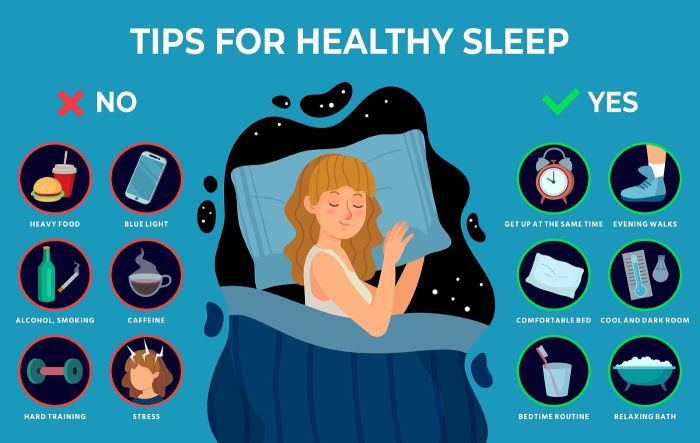
Optimizing your diet and lifestyle significantly impacts sleep quality. Making conscious choices about what you eat and drink, and when, can pave the way for more restful nights and improved daytime functioning. Understanding the effects of certain substances and incorporating sleep-promoting foods into your routine can make a substantial difference in your overall sleep hygiene.
Caffeine and Alcohol Consumption’s Effect on Sleep
Caffeine and alcohol, while seemingly offering a quick fix for tiredness or relaxation, often disrupt sleep patterns. Caffeine, a stimulant, blocks adenosine, a neurotransmitter that promotes sleepiness. Consuming caffeine too late in the day can lead to difficulty falling asleep, reduced sleep quality, and increased nighttime awakenings. Alcohol, while initially sedative, disrupts the sleep cycle later in the night, leading to lighter, less restorative sleep and frequent awakenings. To mitigate these effects, it’s recommended to avoid caffeine after midday and limit alcohol consumption, particularly close to bedtime. A gradual reduction in both substances is often more manageable than abrupt cessation.
Foods That Promote Relaxation and Better Sleep
Certain foods contain nutrients that can promote relaxation and improve sleep quality. Incorporating these into your diet, particularly in the evening, can help prepare your body for rest.
- Bananas: Rich in magnesium and potassium, both minerals contribute to muscle relaxation and improved sleep. Magnesium deficiency is linked to insomnia.
- Almonds: A good source of magnesium and melatonin, a hormone that regulates sleep-wake cycles. A small handful of almonds before bed can help promote relaxation.
- Tart Cherries: Naturally contain melatonin and are a good source of antioxidants. Studies suggest tart cherry juice can improve sleep duration and quality.
- Chamomile Tea: Contains compounds with mild sedative properties, promoting relaxation and reducing anxiety, thus improving sleep onset.
- Warm Milk: Contains tryptophan, an amino acid that the body converts into serotonin and melatonin. Warm milk, particularly before bed, is often associated with feelings of comfort and sleepiness.
Comparison of Sleep Positions and Their Impact on Sleep Quality
The position you sleep in can influence the quality of your rest. Different positions affect breathing, spinal alignment, and potential discomfort.
| Sleep Position | Description | Advantages | Disadvantages |
|---|---|---|---|
| On Your Back | Lying flat on your back with your arms at your sides. | Keeps the spine aligned, reduces facial wrinkles, can be good for snoring and sleep apnea. | May exacerbate snoring or sleep apnea in some individuals, can lead to neck pain if the pillow is not supportive. |
| On Your Side | Sleeping on either your left or right side, often with knees bent. | Reduces acid reflux, good for pregnant women, generally comfortable for many. | Can put pressure on the hips, shoulders, and neck if not properly supported with pillows. |
| On Your Stomach | Sleeping flat on your stomach with your head turned to one side. | Can relieve snoring in some cases. | Can strain the neck and back, can worsen back pain, may lead to facial wrinkles. |
| Fetal Position | Curled up on your side with your knees drawn towards your chest. | Can feel comforting and secure, may help with back pain for some. | Can restrict breathing if too tightly curled, may exacerbate existing back or neck problems. |
Addressing Sleep Disorders and Improving Sleep Hygiene
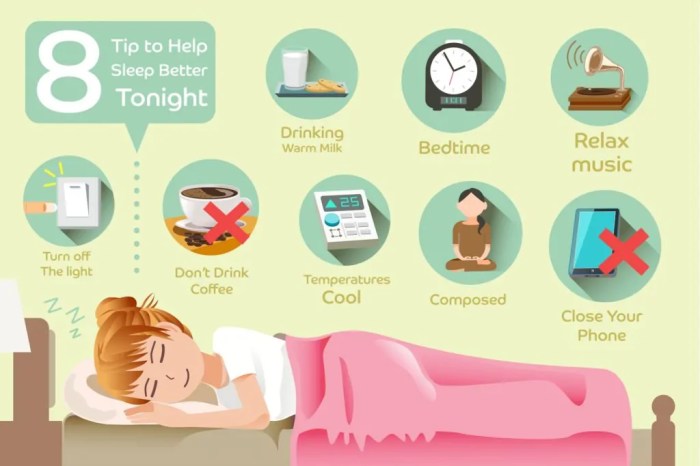
Addressing sleep disorders and optimizing sleep hygiene are crucial for achieving restful and productive sleep. Understanding common sleep disorders, their symptoms, and treatment options empowers individuals to seek appropriate help. Simultaneously, implementing good sleep hygiene practices establishes a foundation for consistent, high-quality sleep.
Common Sleep Disorders, Symptoms, Causes, and Treatments
The following table Artikels some prevalent sleep disorders, their associated symptoms, underlying causes, and available treatment approaches. It’s important to note that this information is for general knowledge and should not substitute professional medical advice. A proper diagnosis and personalized treatment plan should always be obtained from a qualified healthcare professional.
| Disorder | Symptoms | Causes | Treatment Options |
|---|---|---|---|
| Insomnia | Difficulty falling asleep, staying asleep, or experiencing non-restorative sleep. May include daytime fatigue, irritability, and difficulty concentrating. | Stress, anxiety, depression, medical conditions, medications, poor sleep hygiene. | Cognitive behavioral therapy for insomnia (CBT-I), relaxation techniques, sleep medication (in some cases), addressing underlying medical or psychological conditions. |
| Sleep Apnea | Frequent pauses in breathing during sleep, leading to disrupted sleep and daytime sleepiness. May include snoring, gasping for air, and morning headaches. | Obstruction of the airway (obstructive sleep apnea), neurological problems (central sleep apnea), a combination of both (mixed sleep apnea). Obesity, genetics, and aging are contributing factors. | Continuous positive airway pressure (CPAP) therapy, oral appliances, surgery (in some cases), weight loss (if applicable). |
| Restless Legs Syndrome (RLS) | Uncomfortable sensations in the legs (or sometimes arms) that are relieved by movement, often worse at night. Leads to difficulty falling asleep and staying asleep. | Iron deficiency, nerve damage, pregnancy, kidney failure, some medications. The exact cause is often unknown. | Medication to manage symptoms, lifestyle changes (regular exercise, avoiding caffeine and alcohol), iron supplementation (if deficient). |
| Narcolepsy | Excessive daytime sleepiness, sudden sleep attacks, cataplexy (sudden muscle weakness), sleep paralysis, hypnagogic hallucinations (vivid hallucinations while falling asleep). | Genetic factors, autoimmune disorders, brain damage. | Stimulant medications to improve wakefulness, antidepressants to manage cataplexy, lifestyle adjustments to manage sleepiness. |
Principles of Good Sleep Hygiene and Actionable Steps
Establishing and maintaining good sleep hygiene is paramount for consistent, quality sleep. These practices create a conducive environment for sleep and reinforce healthy sleep-wake cycles.
Implementing these strategies can significantly improve sleep quality and overall well-being. Consistency is key; making these habits a regular part of your routine will yield the best results.
- Maintain a regular sleep schedule: Go to bed and wake up at the same time every day, even on weekends, to regulate your body’s natural sleep-wake cycle.
- Create a relaxing bedtime routine: Wind down an hour or two before bed with calming activities like reading, taking a warm bath, or listening to relaxing music. Avoid screen time.
- Optimize your sleep environment: Make sure your bedroom is dark, quiet, and cool. A comfortable mattress and pillows are also essential.
- Get regular exercise: Physical activity can improve sleep quality, but avoid intense workouts close to bedtime.
- Limit caffeine and alcohol intake: These substances can interfere with sleep, especially when consumed close to bedtime.
- Expose yourself to sunlight during the day: Sunlight helps regulate your circadian rhythm, making it easier to fall asleep at night.
- Practice relaxation techniques: Techniques like deep breathing, meditation, or progressive muscle relaxation can help reduce stress and anxiety before bed.
- Avoid large meals or sugary snacks before bed: These can interfere with digestion and sleep quality.
Tracking Sleep Patterns Using a Sleep Journal
A sleep journal provides valuable insights into your sleep patterns, helping you identify potential problems and track the effectiveness of interventions. Regularly recording sleep-related information allows for a personalized approach to sleep optimization.
The following example demonstrates a simple format for a sleep journal entry. Consistency in recording is more important than the level of detail, though recording as much relevant information as possible is beneficial.
Example Sleep Journal Entry:
Date: October 26, 2024
Bedtime: 10:30 PM
Time Asleep: 10:45 PM
Wake-up Time: 6:15 AM
Total Sleep Time: 7 hours and 30 minutes
Sleep Quality: Good (rated 4 out of 5)
Number of awakenings: 1
Difficulty falling asleep: None
Daytime Sleepiness: Minimal
Caffeine Consumption: One cup of coffee at 8:00 AM
Alcohol Consumption: None
Exercise: 30-minute walk at 5:00 PM
Notes: Felt slightly stressed before bed due to work deadline, but relaxation techniques helped.
Closing Notes

Consistently prioritizing sleep hygiene and implementing the strategies Artikeld in “Optimize Your Sleep: 8 Hacks for a Restful and Productive Night” can significantly enhance your overall health and well-being. By cultivating a personalized sleep routine, making mindful dietary choices, and addressing any underlying sleep disorders, you can unlock the restorative power of sleep and experience improved energy levels, enhanced cognitive function, and a greater sense of overall well-being. Remember, consistent effort is key to achieving long-term improvements in your sleep quality.