Unlock your brain’s full potential with our comprehensive guide, “How to Optimize Your Brain: 10 Exercises for Peak Mental Performance.” This guide delves into practical strategies and lifestyle choices designed to enhance cognitive function, memory, and overall mental well-being. We’ll explore evidence-based techniques, from mindfulness meditation and brain training exercises to the crucial role of nutrition, sleep, and physical activity in maintaining optimal brain health. Prepare to embark on a journey toward sharper focus, improved memory, and enhanced cognitive performance.
Through a blend of scientifically-backed methods and actionable steps, this guide empowers you to take control of your cognitive health. We’ll cover a diverse range of techniques, from simple daily practices to more advanced strategies, ensuring there’s something for everyone, regardless of their current fitness or mental wellness level. Discover how to integrate these methods into your daily routine for lasting benefits.
Brain Training Exercises
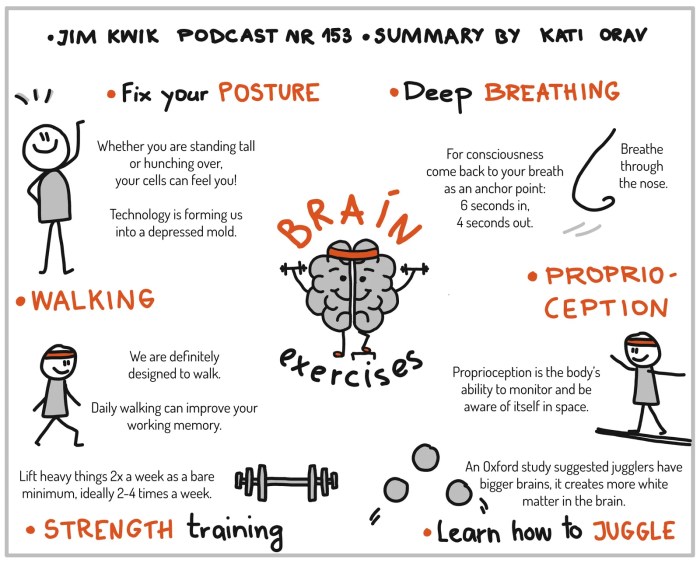
Optimizing your brain’s performance involves consistent engagement in activities that challenge and strengthen its cognitive functions. This section explores effective brain training exercises, focusing on mindfulness meditation and a structured 30-day program designed to enhance various cognitive skills. We will also delve into practical memory improvement strategies.
Mindfulness Meditation Techniques and Their Impact
Mindfulness meditation involves focusing your attention on the present moment without judgment. This practice has been shown to improve focus, reduce stress, and enhance emotional regulation. Regular practice cultivates a greater awareness of your thoughts, feelings, and bodily sensations, allowing you to respond to challenges more effectively. Different styles of meditation offer unique benefits, catering to various preferences and needs.
| Meditation Style | Description | Benefits | Suitable For |
|---|---|---|---|
| Guided Meditation | Involves following a guided audio or video, often focusing on breath or a specific visualization. | Improved focus, stress reduction, enhanced self-awareness. Good for beginners. | Beginners, those seeking structured practice, individuals with difficulty focusing independently. |
| Walking Meditation | Mindful awareness of the physical sensations of walking, focusing on each step and the movement of the body. | Stress reduction, improved body awareness, increased mindfulness in daily life. | Individuals who prefer movement, those seeking a more active form of meditation. |
| Transcendental Meditation (TM) | Utilizes a personalized mantra repeated silently to quiet the mind and achieve a state of deep relaxation. | Reduced stress, improved blood pressure, enhanced creativity and cognitive function. Requires instruction. | Individuals seeking a deeper meditative state, those interested in long-term benefits. |
Thirty-Day Brain Training Program
This program combines various exercises to stimulate different cognitive domains. Consistency is key; aim for at least 15-30 minutes of daily practice.
Week 1: Focus & Concentration
- Day 1-7: Practice guided meditation (15 minutes daily). Solve Sudoku puzzles (15 minutes daily).
Week 2: Memory & Recall
- Day 8-14: Play memory matching games (15 minutes daily). Learn a new vocabulary word and its usage (5 words daily).
Week 3: Problem-Solving & Creativity
- Day 15-21: Work on logic puzzles (15 minutes daily). Engage in creative writing (15 minutes daily).
Week 4: Learning & Adaptability
- Day 22-28: Begin learning a new skill (e.g., a musical instrument, a new language – dedicate 30 minutes daily). Review previous week’s activities (15 minutes daily).
- Day 29-30: Review all exercises from the past month. Reflect on progress and identify areas for improvement.
Effective Memory Improvement Strategies
Mnemonics and memory palaces are powerful techniques for enhancing memory. Mnemonics involve using memory aids such as acronyms, rhymes, or visual imagery to associate information with easily recalled cues. A memory palace, or method of loci, utilizes a familiar location (e.g., your home) to mentally place items you need to remember.
Example of Mnemonics: To remember the colors of the rainbow (ROY G. BIV), you use the acronym ROY G. BIV, representing Red, Orange, Yellow, Green, Blue, Indigo, Violet.
Example of Memory Palace: To remember a grocery list (milk, eggs, bread, cheese), you imagine placing each item in a specific location in your house (milk by the front door, eggs on the kitchen table, bread in the pantry, cheese in the refrigerator). When you need to recall the list, you mentally walk through your house, retrieving the items from their imagined locations.
Lifestyle Factors for Optimal Brain Health

Optimizing brain function isn’t solely about targeted exercises; it’s significantly influenced by our daily lifestyle choices. Consistent healthy habits lay the foundation for peak mental performance, impacting everything from memory and focus to mood and overall cognitive agility. This section explores key lifestyle elements that contribute to optimal brain health.
Sleep Quality and Cognitive Performance
Sufficient and high-quality sleep is paramount for cognitive function. During sleep, the brain consolidates memories, clears out toxins, and restores itself, preparing for the demands of the next day. Consistent sleep schedules, aiming for 7-9 hours of sleep per night, regulate the body’s natural sleep-wake cycle, improving sleep quality and enhancing cognitive performance. Strategies for improving sleep hygiene include creating a relaxing bedtime routine, ensuring a dark, quiet, and cool sleep environment, avoiding caffeine and alcohol before bed, and maintaining a regular exercise schedule (avoiding intense workouts close to bedtime). Disrupted sleep patterns, on the other hand, are linked to reduced cognitive function, impaired memory, and decreased attention span. Studies have shown that even one night of poor sleep can negatively impact performance on cognitive tasks.
A Weekly Meal Plan for Brain Health
Nutrition plays a crucial role in brain health. A diet rich in antioxidants, omega-3 fatty acids, and essential vitamins provides the necessary building blocks for optimal brain function. The following sample weekly meal plan highlights brain-boosting foods:
Monday: Breakfast – Oatmeal with blueberries (antioxidants); Lunch – Salmon salad sandwich (omega-3 fatty acids); Dinner – Chicken stir-fry with broccoli and bell peppers (antioxidants and vitamins).
Tuesday: Breakfast – Greek yogurt with walnuts (omega-3 fatty acids and antioxidants); Lunch – Leftover chicken stir-fry; Dinner – Lentil soup with whole-wheat bread (fiber and antioxidants).
Wednesday: Breakfast – Scrambled eggs with spinach (vitamins and antioxidants); Lunch – Tuna salad with avocado (omega-3 fatty acids and healthy fats); Dinner – Baked salmon with roasted asparagus (omega-3 fatty acids and antioxidants).
Thursday: Breakfast – Smoothie with berries, spinach, and almond milk (antioxidants and vitamins); Lunch – Leftover lentil soup; Dinner – Chicken breast with quinoa and steamed green beans (protein and antioxidants).
Friday: Breakfast – Whole-wheat toast with avocado and egg (healthy fats and protein); Lunch – Salad with grilled chicken or fish (protein and antioxidants); Dinner – Vegetarian chili with brown rice (fiber and antioxidants).
Saturday: Breakfast – Pancakes with fruit (antioxidants); Lunch – Leftover vegetarian chili; Dinner – Pizza with whole-wheat crust and plenty of vegetables (antioxidants and vitamins).
Sunday: Breakfast – Omelet with mushrooms and cheese (protein and antioxidants); Lunch – Leftover pizza; Dinner – Roast chicken with sweet potatoes and Brussels sprouts (antioxidants and vitamins).
Blueberries are rich in antioxidants that combat oxidative stress, protecting brain cells from damage. Salmon and tuna provide omega-3 fatty acids, essential for brain structure and function. Walnuts are another excellent source of omega-3s. Leafy greens like spinach and broccoli are packed with vitamins and antioxidants. Whole grains provide sustained energy and fiber, supporting overall health.
Physical Exercise and Enhanced Brain Function
Regular physical activity stimulates blood flow to the brain, delivering oxygen and nutrients essential for optimal cognitive function. Different types of exercise offer unique benefits:
Cardiovascular exercise (running, swimming, cycling) improves cardiovascular health, enhancing blood flow to the brain and promoting the growth of new brain cells (neurogenesis). Studies have shown that regular cardio can improve memory, attention, and executive function.
Strength training builds muscle mass and improves overall physical fitness, indirectly benefiting brain health by reducing the risk of age-related cognitive decline. It also helps regulate hormones that play a role in brain function.
Yoga combines physical postures, breathing techniques, and meditation, promoting relaxation and reducing stress, which can negatively impact cognitive performance. The mindfulness aspect of yoga can also improve focus and attention.
The specific benefits vary depending on the type and intensity of exercise, but the overall message is clear: regular physical activity is crucial for maintaining and enhancing brain health throughout life. Even moderate exercise, such as a brisk 30-minute walk most days of the week, can significantly improve cognitive function.
Advanced Brain Optimization Techniques
Beyond the foundational exercises and lifestyle adjustments, further enhancing cognitive function involves exploring more advanced techniques that harness the brain’s remarkable plasticity and employ targeted stimulation methods. This section delves into neuroplasticity, brain stimulation techniques, and the application of cognitive behavioral therapy (CBT) for optimizing mental performance.
Neuroplasticity and Brain Function Enhancement
Neuroplasticity, the brain’s ability to reorganize itself by forming new neural connections throughout life, is the cornerstone of advanced brain optimization. This dynamic process allows the brain to adapt and improve in response to learning, experiences, and targeted interventions. By engaging in activities that challenge and stimulate the brain, we can actively promote neuroplasticity and enhance various cognitive functions.
- Learning a new language: This complex task forces the brain to create new neural pathways, improving memory, attention, and cognitive flexibility.
- Playing a musical instrument: Musical training strengthens connections between different brain regions, enhancing coordination, memory, and processing speed.
- Engaging in mentally stimulating games: Puzzles, chess, and brain-training apps challenge cognitive skills and encourage the formation of new neural connections.
- Regular exercise: Physical activity boosts blood flow to the brain, delivering essential nutrients and oxygen that support neuroplasticity and cognitive function.
- Mindfulness meditation: This practice strengthens attentional control and improves emotional regulation, impacting brain structure and function.
Brain Stimulation Techniques: Benefits and Risks
Non-invasive brain stimulation techniques, such as transcranial magnetic stimulation (TMS) and transcranial direct current stimulation (tDCS), offer potential avenues for enhancing cognitive function. However, it’s crucial to understand both their benefits and associated risks.
- Transcranial Magnetic Stimulation (TMS):
- Benefits: May improve symptoms of depression, anxiety, and other neurological conditions; shows promise in enhancing cognitive functions like memory and attention in some studies.
- Risks: Headaches, scalp discomfort, potential for seizures (rare), and effectiveness varies significantly between individuals.
- Transcranial Direct Current Stimulation (tDCS):
- Benefits: Relatively inexpensive and portable; may enhance learning, memory, and cognitive performance in certain contexts; being explored for treatment of various neurological disorders.
- Risks: Mild skin irritation, potential for headaches, and long-term effects are not yet fully understood. Improper use can be detrimental.
It is imperative to consult with a qualified healthcare professional before considering any brain stimulation technique. These methods are not a substitute for established treatments and their efficacy is still under investigation.
Cognitive Behavioral Therapy (CBT) for Stress Management and Mental Clarity
Cognitive Behavioral Therapy (CBT) is a powerful therapeutic approach that helps individuals identify and modify negative thought patterns and behaviors contributing to stress and reduced mental clarity. By actively restructuring thinking and practicing coping mechanisms, CBT promotes emotional regulation and cognitive enhancement.
- Identify negative thought patterns: Become aware of recurring negative thoughts, worries, and self-critical statements. For example, recognizing thoughts like “I’m going to fail this presentation” or “I’m not good enough.”
- Challenge negative thoughts: Question the validity and helpfulness of negative thoughts. Ask yourself: Is this thought based on facts or assumptions? What evidence contradicts this thought? For the example above, consider past successes and the preparation done for the presentation.
- Replace negative thoughts with positive affirmations: Substitute negative thoughts with more realistic and positive self-statements. Instead of “I’m going to fail,” try “I’ve prepared well and I can do this.”
- Practice relaxation techniques: Incorporate mindfulness meditation, deep breathing exercises, or progressive muscle relaxation to manage stress and improve mental clarity. These techniques help calm the nervous system and reduce the impact of negative thoughts.
- Develop coping mechanisms: Learn healthy ways to manage stressful situations, such as problem-solving, time management, and seeking social support. These strategies equip you to handle challenges effectively and prevent negative thoughts from escalating.
Final Wrap-Up
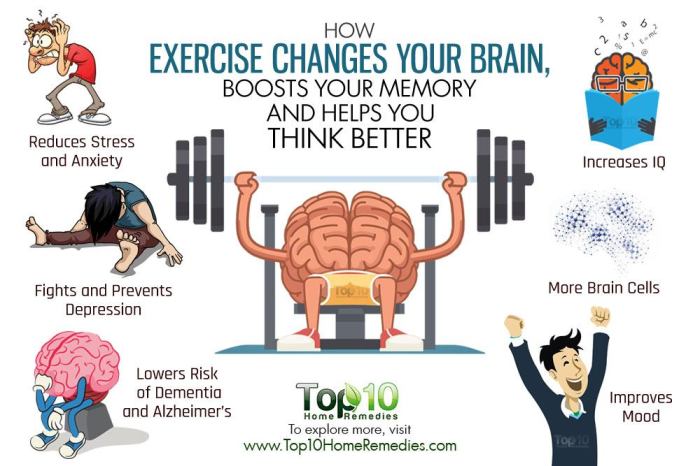
By implementing the brain-boosting strategies Artikeld in “How to Optimize Your Brain: 10 Exercises for Peak Mental Performance,” you’ll equip yourself with the tools to cultivate a sharper, more resilient mind. Remember that consistent effort and a holistic approach are key to achieving lasting improvements in cognitive function and overall well-being. Embrace the journey toward peak mental performance – your brain will thank you.