Consistently starting your day effectively can significantly impact your overall productivity and well-being. This guide explores six key habits to optimize your morning routine, transforming it from a rushed scramble into a focused and fulfilling launchpad for a successful day. We’ll delve into practical strategies for evening preparation, mindful morning practices, and productivity-boosting techniques, equipping you with the tools to cultivate a more intentional and productive start to each day.
From meticulous planning the night before to incorporating mindfulness and prioritizing tasks, we will cover a comprehensive approach to optimizing your morning. This isn’t just about waking up earlier; it’s about creating a sustainable system that aligns with your personal needs and goals, allowing you to consistently achieve more and feel better throughout the day.
The Power of Preparation
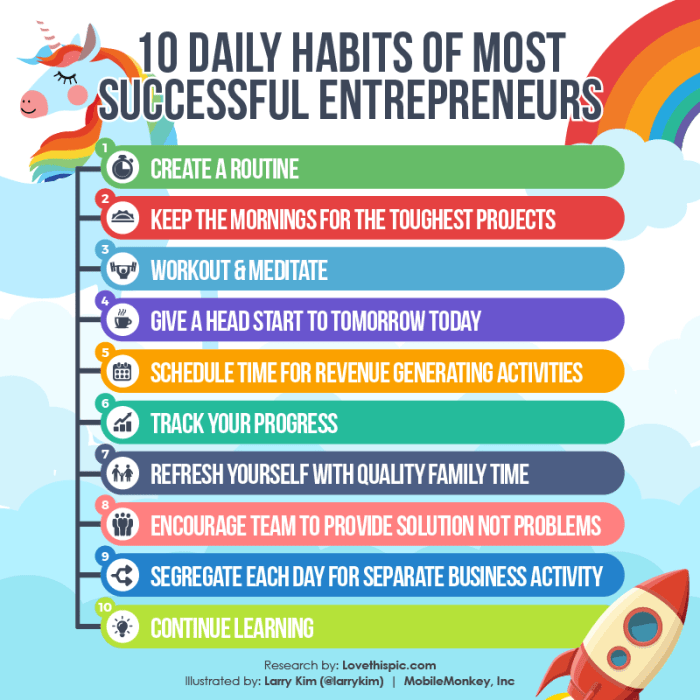
A well-structured evening routine is the cornerstone of a productive morning. By proactively addressing tasks and preparing for the next day, you significantly reduce morning stress and increase your chances of achieving your goals. This proactive approach allows you to start your day feeling calm, collected, and ready to conquer whatever challenges lie ahead. This section explores different methods for evening preparation and provides a step-by-step guide to optimize your morning routine.
Evening Planning Methods for Morning Optimization
Choosing the right evening planning method depends on your personality and lifestyle. Effective planning ensures you’re not scrambling in the morning, allowing for a smoother, more efficient start to your day. Consider these three approaches:
| Method | Pros | Cons | Best For |
|---|---|---|---|
| Detailed To-Do List | Provides a clear roadmap for the next day; helps prioritize tasks; reduces decision fatigue in the morning. | Can be time-consuming to create; may feel overwhelming if not managed effectively; requires consistent updating. | Individuals who prefer structured approaches and detailed planning. |
| Time Blocking Schedule | Allocates specific time slots for activities; enhances time management; promotes focus and efficiency. | Requires discipline to adhere to the schedule; may feel rigid if unexpected events arise; needs careful consideration of realistic time estimates. | Individuals who value time efficiency and prefer a structured approach to their day. |
| Mind Mapping/Prioritization | Helps visualize tasks and their interdependencies; promotes creative problem-solving; allows for flexibility and adaptation. | May not be suitable for individuals who prefer highly structured approaches; requires some experience with mind mapping techniques. | Individuals who prefer a more flexible approach and value brainstorming and creative thinking. |
Preparing Clothes and Breakfast the Night Before
Preparing your clothes and breakfast the night before saves valuable time and reduces morning stress. This simple act allows you to focus on more important tasks or simply enjoy a more relaxed start to your day.
- Choose your outfit: Select clothes appropriate for the weather and your planned activities. Consider ironing or steaming if necessary.
- Lay out your clothes: Place your chosen outfit on a chair or hanger, ensuring everything is ready to wear.
- Prepare breakfast: This could involve making overnight oats, prepping smoothie ingredients, or even setting out cereal and milk. Choose a breakfast that aligns with your dietary needs and preferences.
- Pack your lunch (if applicable): Preparing your lunch the night before ensures you have a healthy and convenient meal ready for your workday.
Sample Morning Routine Schedule
Time blocking is a powerful technique for maximizing productivity. By allocating specific time slots for different activities, you create a structured and efficient morning routine. This approach reduces the likelihood of procrastination and ensures you accomplish your most important tasks.
| Time | Activity |
|---|---|
| 6:00 AM – 6:15 AM | Wake up, drink water, light stretching |
| 6:15 AM – 6:30 AM | Breakfast |
| 6:30 AM – 6:45 AM | Get ready (shower, dress) |
| 6:45 AM – 7:00 AM | Review daily schedule and prioritize tasks |
| 7:00 AM – 7:15 AM | Commute/Travel to work/next activity |
Mindful Morning Habits
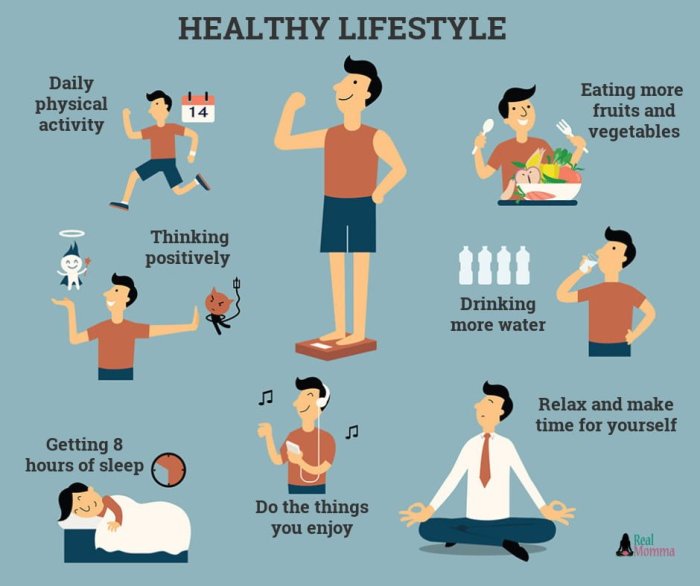
Starting your day with mindfulness cultivates a sense of calm and focus, setting a positive tone for the hours ahead. By incorporating mindful practices, you can reduce stress, improve concentration, and foster a greater sense of well-being, leading to increased productivity and a more fulfilling day. This section explores the benefits of mindfulness and provides practical strategies for integrating it into your morning routine.
Benefits of Mindfulness Practices
Mindfulness practices, such as meditation and deep breathing, offer numerous benefits for mental and physical health. Meditation, for example, has been shown to reduce cortisol levels (the stress hormone), improve emotional regulation, and enhance cognitive function. Deep breathing exercises activate the parasympathetic nervous system, promoting relaxation and reducing feelings of anxiety. Regular practice can lead to improved sleep quality, increased self-awareness, and a greater capacity to manage challenging situations throughout the day. These benefits translate directly into a more productive and enjoyable workday.
Guided Meditation Script
Find a comfortable seated or lying position. Close your eyes gently. Begin by focusing on your breath, noticing the sensation of the air entering and leaving your nostrils. Pay attention to the rise and fall of your chest or abdomen. If your mind wanders—and it will—gently guide your attention back to your breath. Now, visualize a calming scene: a peaceful beach, a lush forest, or any place that brings you a sense of tranquility. Notice the details of this scene: the colors, sounds, and sensations. Spend a few minutes immersing yourself in this peaceful environment. As you continue to breathe deeply, repeat a calming affirmation to yourself, such as “I am calm,” “I am peaceful,” or “I am centered.” Continue this practice for 5-10 minutes. When you’re ready, slowly bring your awareness back to your surroundings, gently opening your eyes.
Stress and Negative Thought Management Strategies
Managing stress and negative thoughts in the morning is crucial for setting a positive tone for the day. Here are three effective strategies:
Firstly, journaling can help process negative emotions and identify potential stressors. Writing down your thoughts and feelings can provide clarity and perspective, allowing you to approach the day with a more balanced mindset. For example, writing about a challenging work project might help you brainstorm solutions and approach it with less anxiety.
Secondly, positive affirmations can counteract negative self-talk. Start your day by repeating positive statements about yourself and your capabilities. Instead of dwelling on self-doubt, affirm your strengths and resilience. For instance, you could say, “I am capable,” “I am confident,” or “I am worthy of success.” Regular repetition reinforces these positive beliefs, building self-esteem and reducing negative self-criticism.
Thirdly, engaging in a relaxing activity before tackling your to-do list can significantly reduce stress. This could be anything from listening to calming music to enjoying a cup of tea or engaging in light stretching. This helps shift your focus away from anxieties and allows you to approach your day with a more relaxed and focused attitude. A simple 10-minute yoga session, for example, can significantly improve your mood and reduce stress levels.
Visualization Exercise for Positive Thinking and Intention Setting
Visualization is a powerful tool for promoting positive thinking and setting intentions for the day. Begin by finding a quiet space where you can relax and focus. Close your eyes and take a few deep breaths. Imagine yourself successfully navigating your day, accomplishing your goals, and overcoming any challenges that may arise. Visualize yourself feeling confident, capable, and energized. Pay attention to the details: how do you feel physically and emotionally? What are you doing? Who are you interacting with? Spend several minutes fully immersing yourself in this positive visualization. Then, set clear intentions for the day. What are your top priorities? What do you want to achieve? Visualize yourself achieving these goals, feeling a sense of accomplishment and satisfaction. End the exercise by repeating your positive affirmations and feeling a sense of gratitude for the opportunities that lie ahead.
Boosting Productivity

A productive morning sets the tone for a successful day. By strategically prioritizing tasks and implementing effective time management techniques, you can significantly increase your output and reduce stress. This section focuses on practical strategies to enhance your morning productivity, ensuring you make the most of your valuable time.
Effective task management and time allocation are crucial for maximizing your productivity. Prioritizing tasks based on their urgency and importance allows you to focus your energy on what truly matters, avoiding feeling overwhelmed by a lengthy to-do list. Similarly, utilizing time management techniques such as the Pomodoro Technique helps maintain focus and prevent burnout.
Prioritization Using the Eisenhower Matrix
The Eisenhower Matrix, also known as the Urgent-Important Matrix, is a powerful tool for prioritizing tasks. It categorizes tasks into four quadrants: Urgent and Important, Important but Not Urgent, Urgent but Not Important, and Neither Urgent nor Important. By systematically placing your tasks into these quadrants, you can identify which tasks require immediate attention and which can be scheduled for later or delegated.
- Urgent and Important (Do First): Crises, deadlines, pressing problems. Example: Responding to a critical client email.
- Important but Not Urgent (Schedule): Planning, relationship building, prevention. Example: Working on a long-term project proposal.
- Urgent but Not Important (Delegate): Interruptions, some meetings, some phone calls. Example: Answering non-critical emails.
- Neither Urgent nor Important (Eliminate): Time wasters, busywork, pleasant activities. Example: Checking social media excessively.
Reviewing Daily Goals
Before diving into your workday, take a few minutes to review your daily goals. This brief review serves as a mental preparation, ensuring you’re focused and aligned with your objectives. It provides a sense of direction and allows you to mentally prioritize the tasks you’ve already identified, reinforcing their importance and prompting you to begin working on them effectively.
Utilizing the Pomodoro Technique
The Pomodoro Technique is a time management method that encourages focused work intervals interspersed with short breaks. A typical Pomodoro cycle consists of 25 minutes of focused work followed by a 5-minute break. After four Pomodoros, a longer break of 15-20 minutes is recommended. This structured approach helps maintain concentration and prevents mental fatigue, particularly beneficial during the crucial morning hours.
To effectively use the Pomodoro Technique, you’ll need a timer. You begin a Pomodoro by setting the timer for 25 minutes and working on a single task without interruptions. Once the timer rings, take a 5-minute break, engaging in a relaxing activity like stretching or walking. Repeat this cycle, remembering the longer break after every four Pomodoros. This structured approach can dramatically improve focus and productivity.
Conclusion

By implementing these six habits – strategic evening preparation, mindful morning practices, and focused task prioritization – you can cultivate a morning routine that sets the stage for a productive and fulfilling day. Remember, consistency is key. Start small, gradually incorporating these techniques, and adapt the strategies to best suit your individual needs and preferences. Over time, you’ll find that your mornings become a source of strength and energy, empowering you to tackle the day with confidence and intention.