Building high-quality backlinks is crucial for online success. This guide explores three proven strategies to significantly improve your link-building efforts, leading to increased website traffic and improved search engine rankings. We’ll delve into the intricacies of guest blogging, broken link building, and resource creation, providing actionable steps and insightful tips to elevate your game.
We’ll examine effective outreach techniques, demonstrate how to leverage broken links for strategic advantage, and reveal the secrets to crafting and promoting valuable resources that naturally attract high-quality backlinks. By mastering these strategies, you’ll transform your link-building approach from reactive to proactive, ultimately driving sustainable growth for your online presence.
Broken Link Building
Broken link building is a powerful, yet often overlooked, link building strategy. By identifying and replacing broken links on relevant websites, you can acquire high-quality backlinks that boost your website’s search engine rankings and drive more traffic. This method leverages existing content gaps to offer valuable solutions, enhancing both your site’s visibility and the user experience on other websites. The key is to provide superior replacement content that genuinely benefits the target website’s audience.
Identifying Broken Links
Finding broken links requires a systematic approach. Begin by identifying websites relevant to your niche that are likely to contain broken links. These could be sites with outdated content, those that haven’t been updated recently, or competitor websites. Once you’ve identified potential target sites, you can utilize various tools to efficiently uncover broken links.
Utilizing Tools for Broken Link Discovery
Several tools can streamline the process of finding broken links. For example, Check My Links is a browser extension that automatically scans a webpage for broken links, highlighting them directly on the page. This allows for quick manual identification. Alternatively, more comprehensive tools like Ahrefs or SEMrush offer site audits that include broken link detection as part of a broader analysis. These tools crawl websites and identify broken links, often categorizing them by type and providing other valuable data. Ahrefs, for instance, not only finds broken links but also suggests potential replacement pages based on its extensive index. The reports provided by these tools often include details like the link’s anchor text and the page where the broken link is located, providing valuable context for your outreach efforts.
Creating High-Quality Replacement Content
Once you’ve identified broken links, the next step is to create high-quality content that effectively replaces them. This content should be relevant to the original link’s target and provide significant value to the user. Focus on creating comprehensive, informative, and well-written content that addresses a specific need or question. Ensure the content is well-structured, easy to navigate, and visually appealing. Consider incorporating high-quality images, videos, or other multimedia elements to enhance user engagement. The goal is to create content that is demonstrably better than what was lost, making it a worthwhile replacement for the website owner.
Contacting Website Owners
Approaching website owners requires a professional and courteous approach. Begin by crafting a personalized email that clearly identifies the broken link, its location, and the potential impact on the user experience. Then, highlight how your content directly addresses the gap left by the broken link and provides a superior alternative. Provide a concise and compelling explanation of why your content is a suitable replacement, emphasizing the relevance, quality, and value it offers to their website visitors. Finally, offer a clear call to action, suggesting they replace the broken link with a link to your content. A polite and respectful tone is crucial, remember you are offering a solution, not demanding a link. A template could be: “Dear [Website Owner Name], I noticed a broken link on your page at [link to broken page]. I have a resource that addresses the same topic and provides valuable information for your audience: [link to your content]. Would you be open to replacing the broken link with mine?”
Resource Creation and Promotion
Creating and promoting valuable resources is a highly effective link-building strategy. By offering genuinely helpful content to your target audience, you naturally attract backlinks from websites and individuals who find your resource useful and relevant to their own content. This approach focuses on providing value first, with backlinks following organically as a result.
Resource creation goes beyond simply producing content; it’s about crafting something so compelling that others will want to share it. This involves careful planning, strategic design, and effective promotion across multiple platforms.
Resource Design for Maximum Shareability and Linkability
A successful resource isn’t just informative; it’s visually appealing, easy to digest, and offers unique value. Consider factors like the target audience’s needs and preferences, the chosen format (infographic, ebook, checklist, video, etc.), and the overall design aesthetic. High-quality visuals, clear and concise writing, and a user-friendly format are crucial for maximizing shareability. For example, an infographic on a complex topic should use clear icons and minimal text, while an ebook might benefit from a professional layout and chapter structure. The resource should solve a problem or answer a question that your target audience has, providing unique insights or data not readily available elsewhere. This originality is key to attracting backlinks.
Effective Resource Promotion Strategies
Promoting your resource effectively involves a multi-pronged approach, leveraging various online platforms to reach a wider audience. Simply creating a valuable resource isn’t enough; it needs to be seen and shared. This requires a well-defined promotion strategy, tailored to each platform. Consider using paid advertising on platforms where your target audience is active, as well as organic promotion through social media engagement and outreach to relevant influencers and websites.
Resource Promotion Platforms and Engagement Strategies
Successful resource promotion requires a strategic approach across various platforms. Each platform demands a unique strategy to maximize engagement and attract backlinks.
- Social Media (Twitter, LinkedIn, Facebook, etc.): Share snippets of your resource, engage with comments and questions, and use relevant hashtags to increase visibility. For example, on Twitter, share short, engaging excerpts with a link to the full resource. On LinkedIn, focus on professional networking and sharing the resource with relevant groups and individuals.
- Email Marketing: Announce your new resource to your email list, highlighting its key benefits and providing a clear call to action. Segment your list to target specific audience segments with tailored messaging.
- Industry Forums and Communities: Share your resource in relevant online forums and communities, ensuring you follow community guidelines and contribute meaningfully to discussions. Avoid blatant self-promotion; focus on providing value to the community.
- Guest Blogging: Reach out to relevant blogs and websites in your niche and offer to contribute a guest post that includes a natural link to your resource. This requires finding websites with a relevant audience and high domain authority.
- Outreach to Influencers: Identify key influencers in your industry and reach out to them, offering them your resource as a valuable tool or resource for their audience. A personalized approach increases the chances of success.
Epilogue
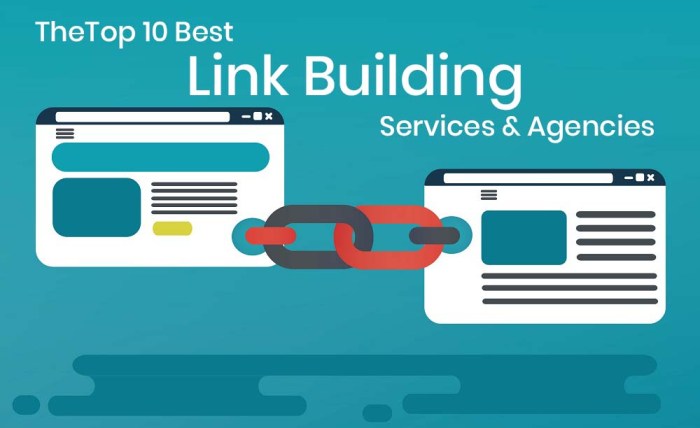
By implementing these three effective link-building strategies – guest blogging, broken link building, and resource creation – you can significantly enhance your website’s authority and visibility. Remember that consistent effort and a focus on providing genuine value are key to long-term success. Prioritize building relationships, creating high-quality content, and strategically promoting your resources to reap the rewards of a robust and sustainable backlink profile.