Exceptional customer service is no longer a luxury; it’s a necessity in today’s competitive market. Building strong, lasting relationships with customers requires a proactive and efficient approach, extending beyond simply reacting to issues. This guide explores six key strategies to elevate your customer service, transforming satisfied customers into loyal advocates for your brand. We’ll delve into proactive techniques, efficient response methods, and relationship-building strategies to enhance customer satisfaction and boost your business.
From streamlining processes to leveraging technology and fostering personalized communication, we will equip you with practical tools and actionable insights to optimize every customer interaction. By implementing these strategies, you can create a seamless and positive experience that strengthens customer loyalty and drives sustainable growth. Understanding customer needs, anticipating potential issues, and responding swiftly and effectively are crucial elements for success in today’s demanding market.
Proactive Customer Service Strategies
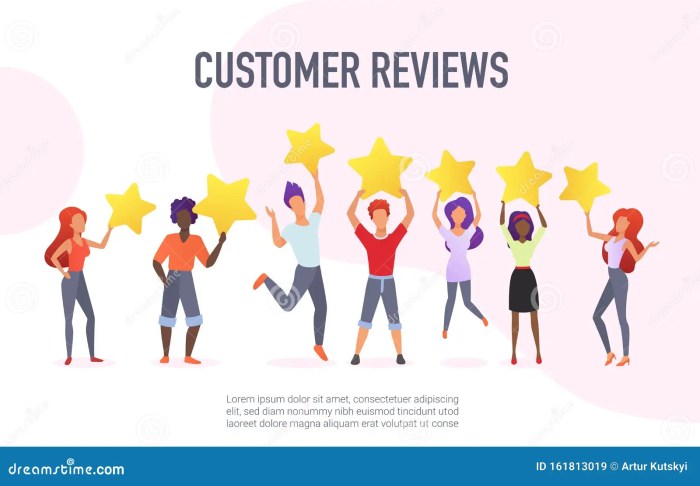
Proactive customer service goes beyond simply reacting to customer issues; it anticipates and addresses potential problems before they arise. This approach fosters stronger customer relationships, increases loyalty, and ultimately drives business growth. By focusing on prevention rather than reaction, businesses can significantly improve their customer experience and build a positive brand reputation.
Implementing a proactive customer service system requires a strategic approach that integrates various techniques and technologies. A well-defined process ensures efficiency and consistency in delivering exceptional customer care.
Proactive Customer Service System Implementation
The following flowchart illustrates the key steps involved in establishing a proactive customer service system. Each stage builds upon the previous one, culminating in a robust system designed to anticipate and address customer needs effectively.
| Step | Action | Responsibility | Timeline |
|---|---|---|---|
| 1. Data Collection & Analysis | Gather customer data from various sources (surveys, feedback forms, website analytics, CRM). Analyze data to identify trends and potential issues. | Customer Service Team, Data Analytics Team | Ongoing |
| 2. Identify Potential Issues | Based on data analysis, pinpoint areas where customers are likely to experience difficulties or dissatisfaction. | Customer Service Team, Product Development Team | Monthly |
| 3. Develop Proactive Solutions | Create strategies and solutions to address identified potential issues. This may involve product improvements, FAQs, tutorials, or personalized outreach. | Customer Service Team, Product Development Team, Marketing Team | Bi-weekly |
| 4. Implement and Monitor | Roll out proactive solutions and continuously monitor their effectiveness. Track key metrics such as customer satisfaction, issue resolution rates, and proactive contact rates. | Customer Service Team, Marketing Team | Ongoing |
Proactive Customer Service Techniques
Several techniques can be employed to deliver proactive customer service. These techniques are crucial for building trust, loyalty, and positive customer relationships. By consistently implementing these strategies, businesses can significantly enhance their customer experience.
- Personalized Communication: Sending targeted emails or messages based on customer behavior and preferences. This shows customers you understand their needs and value their business, leading to increased engagement and loyalty. For example, sending a birthday discount or recommending products based on past purchases.
- Regular Check-ins: Proactively contacting customers after a purchase to ensure satisfaction and address any potential issues. This demonstrates care and allows for early problem resolution before dissatisfaction escalates. A simple follow-up email or phone call can go a long way.
- Knowledge Base and FAQs: Providing readily accessible resources that answer common customer questions. This empowers customers to solve problems independently, reducing the need for direct contact and improving self-service capabilities. A well-organized knowledge base can dramatically reduce support tickets.
- Proactive Problem Solving: Identifying and addressing potential issues before they impact customers. This might involve proactively updating software to fix bugs or issuing product recalls before widespread problems occur. This demonstrates a commitment to quality and customer well-being.
- Personalized Recommendations: Using data to suggest products or services relevant to individual customer needs and preferences. This improves the customer experience by making it easier for them to find what they’re looking for and discover new products they might enjoy. This fosters a sense of understanding and caters to individual preferences.
Predictive Analytics for Proactive Customer Service
Predictive analytics utilizes historical data and machine learning to forecast future customer behavior and identify potential issues. This allows businesses to anticipate customer needs and proactively address potential problems before they arise. This proactive approach minimizes negative experiences and enhances customer satisfaction.
For example, a telecommunications company might use predictive analytics to identify customers at high risk of churning. By analyzing call logs, usage patterns, and customer service interactions, the company can proactively offer incentives or address concerns before the customer decides to switch providers. This targeted approach can significantly reduce churn rates and improve customer retention.
Examples of Proactive Customer Service
Several companies successfully utilize proactive customer service strategies. Analyzing their approaches offers valuable insights into effective implementation.
Amazon: Amazon’s proactive approach includes personalized recommendations based on past purchases and browsing history, proactive shipping updates, and anticipatory problem-solving (e.g., automatically refunding customers for delayed deliveries). This seamless and personalized experience enhances customer loyalty.
Netflix: Netflix utilizes predictive analytics to recommend shows and movies based on viewing history, ensuring users always have something engaging to watch. This proactive approach keeps users engaged and satisfied, contributing to high retention rates.
Sephora: Sephora leverages personalized beauty consultations and product recommendations via their app and website. They proactively send reminders about upcoming appointments or offer tailored advice based on past purchases and skin type. This personalized experience enhances customer engagement and builds loyalty.
Improving Response Time and Efficiency
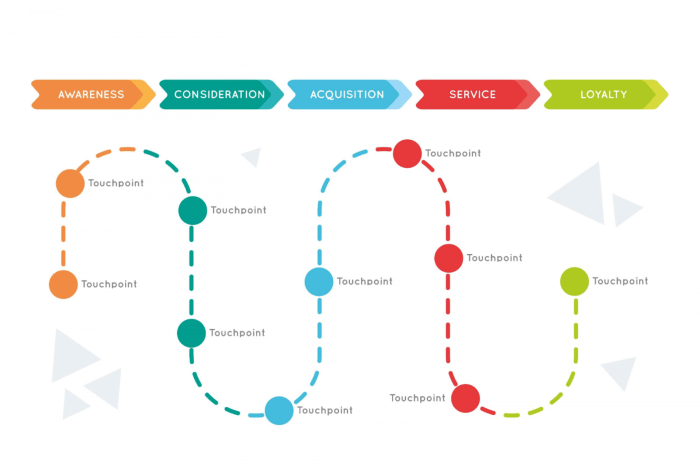
Swift and efficient customer service is paramount for building customer loyalty and positive brand perception. Reducing response times and streamlining processes directly impacts customer satisfaction and overall business success. This section Artikels strategies to achieve this crucial goal.
Streamlining customer service hinges on a multi-pronged approach encompassing process optimization, technological implementation, and team collaboration. By addressing each of these areas, businesses can significantly improve their response times and create a more efficient support system.
Communication Channel Response Times
Different communication channels offer varying levels of immediacy. Understanding the average response times for each channel is critical for setting realistic expectations and allocating resources effectively. The table below provides a general comparison; actual times will vary depending on factors like volume and staffing levels.
| Communication Channel | Average Response Time | Advantages | Disadvantages |
|---|---|---|---|
| Live Chat | 1-5 minutes | Instantaneous feedback, personalized interaction, efficient for simple queries. | Requires real-time staffing, less suitable for complex issues. |
| Phone | 5-15 minutes (average wait time + call duration) | Direct communication, suitable for complex issues, immediate problem resolution. | Can be expensive, less scalable than other options, requires dedicated phone lines. |
| 12-24 hours (or longer) | Asynchronous communication, allows for detailed responses, documented history. | Slowest response time, can lead to customer frustration if not managed well. |
Knowledge Base System Implementation
A comprehensive knowledge base empowers customers to find answers independently, reducing the burden on support agents and speeding up resolution times for those who do require assistance. This self-service approach is a highly effective strategy for improving overall efficiency.
Implementing a knowledge base involves creating a searchable repository of frequently asked questions (FAQs), troubleshooting guides, tutorials, and other helpful resources. This repository should be easily accessible from the company website and potentially integrated with the customer service software. Regular updates and expansion of the knowledge base are crucial for maintaining its relevance and effectiveness.
Utilizing Customer Service Software
Customer service software is instrumental in managing inquiries efficiently. Effective utilization of such software can dramatically reduce response times and improve overall support effectiveness.
- Centralized Ticketing System: Use the software to route, track, and prioritize customer inquiries, ensuring no request falls through the cracks.
- Automated Responses: Set up automated responses for common questions or requests to provide immediate acknowledgment and potentially resolve issues instantly.
- Reporting and Analytics: Leverage the software’s reporting features to monitor key metrics such as response times, resolution rates, and customer satisfaction. This data-driven approach allows for continuous improvement.
- Integration with Other Systems: Integrate the customer service software with other systems such as CRM (Customer Relationship Management) to provide agents with a complete view of the customer’s history and preferences.
- Agent Collaboration Tools: Utilize features that allow for seamless collaboration among agents, facilitating quick knowledge sharing and efficient problem resolution.
Effective Team Collaboration for Accelerated Problem Resolution
Efficient team collaboration is crucial for handling complex issues quickly and effectively. A well-coordinated support team can resolve customer problems faster and improve overall customer satisfaction.
Implementing strategies such as internal communication platforms (Slack, Microsoft Teams), regular team meetings to discuss challenges and best practices, and clear escalation paths for complex issues are vital for fostering a collaborative environment. Cross-training agents to handle a wider range of issues can also increase efficiency and reduce reliance on specific individuals.
Building Strong Customer Relationships
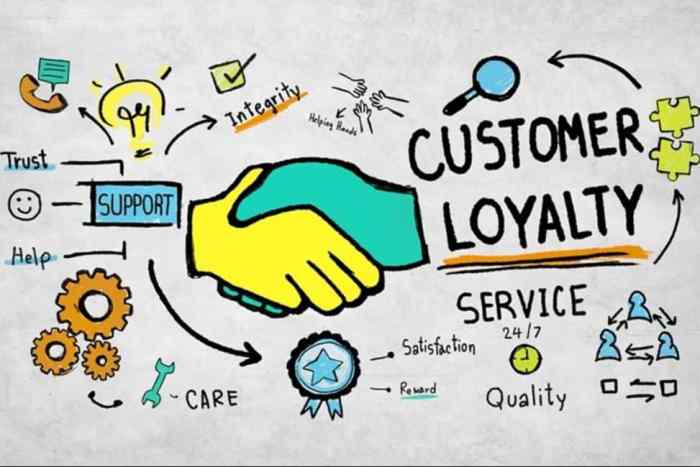
Building strong customer relationships is paramount for long-term business success. It’s not just about providing excellent service; it’s about fostering genuine connections that lead to loyalty, positive word-of-mouth referrals, and ultimately, increased profitability. This involves understanding individual customer needs and tailoring interactions to create a personalized and memorable experience.
Personalized Communication and Customer Loyalty
Personalized communication significantly impacts customer loyalty. By making customers feel valued and understood, businesses can foster a sense of connection that transcends transactional interactions. This can be achieved through various methods across different channels. For example, email marketing campaigns can be segmented based on customer demographics, purchase history, and browsing behavior, allowing for targeted messaging that resonates with individual preferences. On social media, personalized responses to comments and messages demonstrate engagement and build rapport. In-app messaging can offer customized recommendations and support, creating a seamless and personalized user experience. Consider a clothing retailer using a customer’s past purchases to suggest similar items or styles; or a coffee shop remembering a customer’s usual order and offering it proactively. These seemingly small gestures demonstrate care and attention, leading to stronger customer relationships.
Personalized Communication Strategies
Effective personalization requires data-driven insights and a strategic approach. Using customer relationship management (CRM) systems to gather and analyze data about customer preferences, purchase history, and interactions is crucial. This data allows businesses to segment their audience and create targeted campaigns. For example, a loyalty program that offers personalized rewards based on individual spending habits will incentivize repeat business and enhance the customer experience. Furthermore, using a customer’s name in communications, remembering past interactions, and tailoring offers to their specific needs are all effective ways to personalize interactions across various channels.
Handling Difficult Customer Interactions
Difficult customer interactions are inevitable. However, handling these situations effectively can transform a negative experience into an opportunity to strengthen the customer relationship. The key lies in employing de-escalation techniques and demonstrating empathy. Active listening is crucial; allow the customer to fully express their concerns without interruption. Validate their feelings by acknowledging their frustration and showing understanding. Apologize sincerely, even if the issue isn’t directly the company’s fault. Focus on finding a solution, offering options, and setting clear expectations.
Sample Script for Difficult Customer Interactions
“I understand your frustration, Mr. Smith. I’m truly sorry you experienced this issue with our product. Let’s see what we can do to resolve this for you. Can you tell me more about what happened?” (Active listening)
“I hear your concern about [the problem]. That sounds incredibly frustrating. I apologize for the inconvenience this has caused.” (Empathy and Apology)
“I can offer you a few options: [Option 1], [Option 2], or [Option 3]. Which option would work best for you?” (Solution-oriented approach)
“Thank you for your understanding, Mr. Smith. I’ll ensure [action] is taken immediately. I’ll follow up with you within [timeframe] to confirm the resolution.” (Follow-up and closure)
Customer Feedback System Design
A robust customer feedback system is essential for gathering valuable insights and improving services. This system should encourage honest and constructive reviews through multiple channels, such as online surveys, feedback forms, and social media monitoring. The system should be easy to use and accessible across various platforms. The feedback collected should be analyzed to identify trends and areas for improvement. This analysis should be used to inform strategic decisions and drive continuous improvement.
Customer Feedback Analysis and Action Plans
| Feedback Type | Action Plan |
|---|---|
| Positive Feedback (e.g., praise for excellent service) | Acknowledge and thank the customer; share the feedback with the relevant team; consider using the feedback in marketing materials. |
| Negative Feedback (e.g., complaints about product quality) | Investigate the issue thoroughly; apologize to the customer; take corrective action; follow up with the customer to inform them of the resolution. |
| Suggestions for Improvement (e.g., ideas for new features) | Evaluate the feasibility of the suggestion; implement the suggestion if feasible; communicate the decision to the customer. |
| Neutral Feedback (e.g., suggestions for minor improvements) | Review the feedback and prioritize based on impact and feasibility; implement changes where appropriate. |
Customer Relationship Management (CRM) Systems
CRM systems play a vital role in managing customer interactions and improving satisfaction. Different CRM systems offer varying features and functionalities, impacting their effectiveness in enhancing customer relationships. Some systems focus on sales automation, while others prioritize customer service and support. Cloud-based CRMs offer scalability and accessibility, while on-premise systems provide greater control over data security. Choosing the right CRM system depends on the specific needs and resources of the business. For example, Salesforce is a popular cloud-based CRM known for its extensive features and scalability, while HubSpot offers a more integrated approach encompassing marketing, sales, and customer service. The impact on customer satisfaction stems from improved organization, personalized communication, efficient issue resolution, and proactive customer support facilitated by these systems.
Ultimate Conclusion
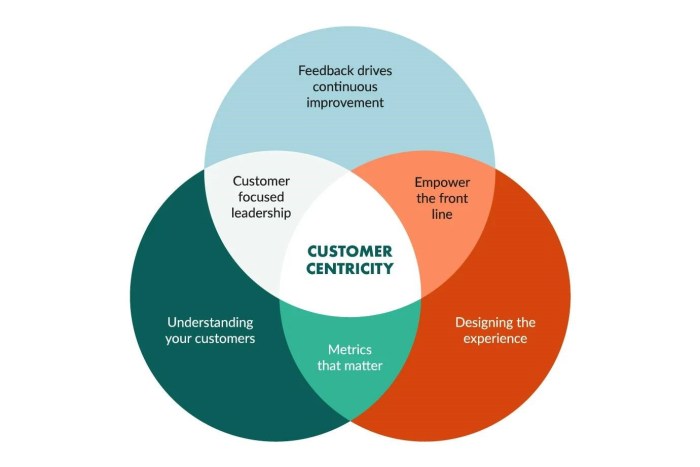
Ultimately, optimizing customer service is an ongoing journey, not a destination. By consistently implementing these six strategies—proactive engagement, efficient response times, personalized communication, effective feedback systems, and leveraging technology—you can cultivate a culture of exceptional customer service. This commitment not only fosters customer loyalty and positive word-of-mouth marketing but also positions your business for long-term success in an increasingly competitive landscape. Remember, happy customers are the foundation of a thriving business.