Embark on a journey to a healthier you with this comprehensive guide on optimizing your diet. We’ll explore the fundamentals of balanced nutrition, practical strategies for incorporating healthier habits, and sustainable approaches to lasting dietary change. Discover how to navigate food labels, overcome common pitfalls, and choose a dietary path that suits your individual needs and preferences, ultimately leading to improved well-being.
This guide provides actionable steps, from understanding macronutrient ratios and micronutrient needs to creating personalized meal plans and identifying healthier alternatives to processed foods. We’ll also delve into the benefits of mindful eating and explore various dietary approaches, empowering you to make informed choices for a healthier, more vibrant life.
Understanding Your Current Diet

Optimizing your diet begins with a clear understanding of your current eating habits. This involves assessing the types and quantities of food you consume regularly, identifying potential imbalances, and setting realistic goals for improvement. A balanced diet provides the necessary nutrients for optimal health and well-being, preventing deficiencies and supporting various bodily functions.
A balanced diet typically comprises a mix of macronutrients – carbohydrates, proteins, and fats – along with essential micronutrients like vitamins and minerals. The ideal macronutrient ratio varies depending on individual factors like age, activity level, and health goals, but a common guideline suggests a range of 45-65% carbohydrates, 10-35% protein, and 20-35% fat. Micronutrient needs are equally crucial, with various vitamins and minerals playing vital roles in metabolic processes, immune function, and overall health. Meeting these needs often requires a diverse range of fruits, vegetables, whole grains, and lean protein sources.
Macronutrient and Micronutrient Needs and a Sample Daily Meal Plan
The following table provides a sample daily meal plan illustrating a balanced diet suitable for an average adult. Remember that individual needs vary, and this is merely a guideline. Consulting a registered dietitian or nutritionist can provide personalized recommendations.
| Time | Meal | Food Items | Macronutrient Breakdown (Approximate) |
|---|---|---|---|
| 7:00 AM | Breakfast | Oatmeal with berries and nuts, a glass of milk | Carbohydrates: 40%, Protein: 20%, Fat: 40% |
| 12:00 PM | Lunch | Grilled chicken salad with mixed greens, vegetables, and a light vinaigrette | Carbohydrates: 30%, Protein: 40%, Fat: 30% |
| 6:00 PM | Dinner | Baked salmon with roasted vegetables (broccoli, carrots, sweet potatoes) and quinoa | Carbohydrates: 40%, Protein: 30%, Fat: 30% |
| 9:00 PM | Snack (Optional) | Greek yogurt with a small handful of almonds | Carbohydrates: 20%, Protein: 60%, Fat: 20% |
Consequences of an Unbalanced Diet
An unbalanced diet, characterized by excessive consumption of certain nutrients or significant deficiencies in others, can lead to various adverse health consequences. Short-term effects might include fatigue, digestive problems, weakened immunity, and mood swings. These are often subtle and might be initially attributed to other factors. However, long-term consequences can be far more serious. Consistent nutrient imbalances can increase the risk of chronic diseases such as obesity, type 2 diabetes, heart disease, certain cancers, and osteoporosis. For example, a diet consistently high in saturated and trans fats can contribute to high cholesterol levels, increasing the risk of heart disease. Similarly, a diet lacking in calcium and vitamin D can lead to weakened bones and an increased risk of osteoporosis. These long-term effects significantly impact quality of life and longevity.
Incorporating Healthy Eating Habits

Transitioning from understanding your current diet to actively incorporating healthier habits requires a multifaceted approach. This section will Artikel practical strategies to increase fruit and vegetable consumption, reduce processed food intake, design a sample meal plan, and highlight the benefits of mindful eating. These strategies, when implemented consistently, can significantly improve your overall diet and well-being.
Increasing Fruit and Vegetable Consumption
Boosting your intake of fruits and vegetables is crucial for optimal health. They are packed with essential vitamins, minerals, and fiber, contributing to improved digestion, increased energy levels, and a reduced risk of chronic diseases. The following strategies can help you seamlessly integrate more fruits and vegetables into your daily routine.
- Prep Ahead: Wash and chop fruits and vegetables on the weekend and store them in convenient containers for easy access throughout the week. This eliminates the common excuse of “not having time.”
- Add to Existing Meals: Incorporate vegetables into your favorite dishes. Add spinach to omelets, bell peppers to stir-fries, or berries to your breakfast cereal.
- Snack Smart: Keep a bowl of fruit on your counter or in your office as a readily available and healthy snack option. Consider baby carrots, cherry tomatoes, or grapes for easy snacking.
- Make Smoothies: Blend fruits, vegetables, and yogurt or milk for a quick and nutritious breakfast or snack. Experiment with different combinations to find your favorites.
- Sneak Them In: Puree vegetables like carrots or zucchini into sauces, soups, or even baked goods for a subtle boost of nutrients without significantly altering the taste.
Reducing Processed Food Intake
Processed foods are often high in unhealthy fats, added sugars, and sodium, contributing to weight gain, inflammation, and various health problems. Replacing them with whole, unprocessed foods is a key step toward a healthier diet.
- Read Food Labels Carefully: Pay close attention to ingredient lists and nutritional information. Choose foods with minimal processed ingredients and added sugars.
- Cook More Often: Preparing meals at home allows you to control the ingredients and avoid hidden additives found in many processed foods. This gives you greater control over portion sizes and nutritional content.
- Choose Whole Grains: Opt for whole-wheat bread, brown rice, quinoa, and oats instead of refined grains. These provide more fiber and nutrients.
Sample 7-Day Meal Plan
This meal plan emphasizes whole foods, lean protein, and healthy fats. Remember to adjust portion sizes based on your individual caloric needs and activity levels.
- Day 1: Breakfast: Oatmeal with berries and nuts; Lunch: Salad with grilled chicken or fish; Dinner: Baked salmon with roasted vegetables.
- Day 2: Breakfast: Greek yogurt with fruit and granola; Lunch: Leftover salmon and vegetables; Dinner: Lentil soup with whole-wheat bread.
- Day 3: Breakfast: Scrambled eggs with spinach and whole-wheat toast; Lunch: Turkey breast sandwich on whole-wheat bread with lettuce and tomato; Dinner: Chicken stir-fry with brown rice.
- Day 4: Breakfast: Smoothie with fruits, vegetables, and protein powder; Lunch: Leftover chicken stir-fry; Dinner: Vegetarian chili with cornbread.
- Day 5: Breakfast: Whole-wheat pancakes with fruit; Lunch: Salad with chickpeas and feta cheese; Dinner: Lean ground beef with sweet potatoes and green beans.
- Day 6: Breakfast: Yogurt parfait with berries and granola; Lunch: Leftover ground beef and vegetables; Dinner: Pizza with whole-wheat crust, vegetables, and lean protein.
- Day 7: Breakfast: Eggs with avocado toast; Lunch: Leftover pizza; Dinner: Chicken breast with quinoa and steamed broccoli.
Mindful Eating Practices
Mindful eating involves paying attention to your body’s hunger and fullness cues, savoring your food, and eating without distractions. This practice can significantly aid in achieving dietary goals.
By slowing down, focusing on the taste and texture of your food, and eating without distractions like television or phones, you become more aware of your body’s signals. This increased awareness helps prevent overeating and promotes a healthier relationship with food. Mindful eating encourages you to appreciate the nourishment your food provides, leading to more satisfying and sustainable dietary changes.
Making Sustainable Dietary Changes

Successfully transitioning to a healthier diet isn’t about drastic overnight changes; it’s about making gradual, sustainable shifts that fit seamlessly into your lifestyle. This involves understanding various dietary approaches, recognizing common pitfalls, and strategically incorporating healthier choices. The key is consistency, not perfection.
Different dietary approaches offer unique benefits and challenges. The Mediterranean diet, rich in fruits, vegetables, whole grains, and olive oil, is associated with reduced risk of heart disease and improved cognitive function. However, adherence can be difficult for those unfamiliar with its cuisine or lacking access to fresh ingredients. The DASH (Dietary Approaches to Stop Hypertension) diet emphasizes fruits, vegetables, whole grains, and lean protein, while limiting sodium, saturated fat, and sweets. Its strength lies in its effectiveness in lowering blood pressure, but it may require significant changes in cooking habits and food choices for some individuals.
Comparison of Dietary Approaches: Mediterranean vs. DASH
Both the Mediterranean and DASH diets share a core emphasis on plant-based foods. The Mediterranean diet, however, places a greater emphasis on healthy fats from olive oil and nuts, while DASH focuses more on controlling sodium intake. While both are effective for improving overall health, the Mediterranean diet might be more appealing to those who enjoy flavorful, diverse cuisine, whereas the DASH diet might be better suited for individuals specifically aiming to manage hypertension. The best approach depends on individual preferences, health goals, and lifestyle.
Common Dietary Pitfalls and Solutions
Many people struggle with maintaining healthy eating habits due to various obstacles. Identifying these pitfalls and developing strategies to overcome them is crucial for long-term success.
- Emotional Eating: Turning to food for comfort or stress relief can sabotage dietary efforts. Solution: Identify triggers and develop alternative coping mechanisms, such as exercise, meditation, or spending time with loved ones.
- Lack of Planning: Failing to plan meals can lead to impulsive, unhealthy choices. Solution: Plan meals and snacks for the week, creating a shopping list to ensure you have the necessary ingredients.
- Skipping Meals: This can lead to overeating later in the day. Solution: Establish regular meal times and ensure you consume balanced meals and snacks throughout the day.
- Unrealistic Expectations: Setting overly ambitious goals can lead to discouragement and abandoning the effort. Solution: Start with small, achievable changes and gradually increase the difficulty over time.
Step-by-Step Guide to Gradual Dietary Changes
Sustainable change is built on small, incremental steps. Avoid drastic overhauls; instead, focus on gradually incorporating healthier choices.
- Assess your current diet: Identify areas for improvement (e.g., reducing sugar, increasing vegetable intake).
- Set realistic goals: Focus on one or two areas at a time. For example, aim to add one serving of vegetables to each meal for a week.
- Substitute gradually: Replace unhealthy options with healthier alternatives (e.g., whole-wheat bread instead of white bread).
- Increase healthy food intake: Gradually increase your consumption of fruits, vegetables, and whole grains.
- Monitor progress: Track your food intake and adjust your approach as needed.
- Celebrate successes: Acknowledge your progress and reward yourself in non-food ways.
Effective Food Label Reading
Understanding food labels is key to making informed choices. Focus on these key pieces of information:
- Serving Size: This is the amount of food the nutritional information refers to.
- Calories: The total energy provided by the serving.
- Macronutrients: Pay close attention to total fat, saturated fat, cholesterol, sodium, total carbohydrates, dietary fiber, and protein.
- Micronutrients: Check for vitamins and minerals, especially those you may be deficient in.
- Ingredients List: The ingredients are listed in descending order by weight. Be aware of added sugars and unhealthy fats.
Wrap-Up
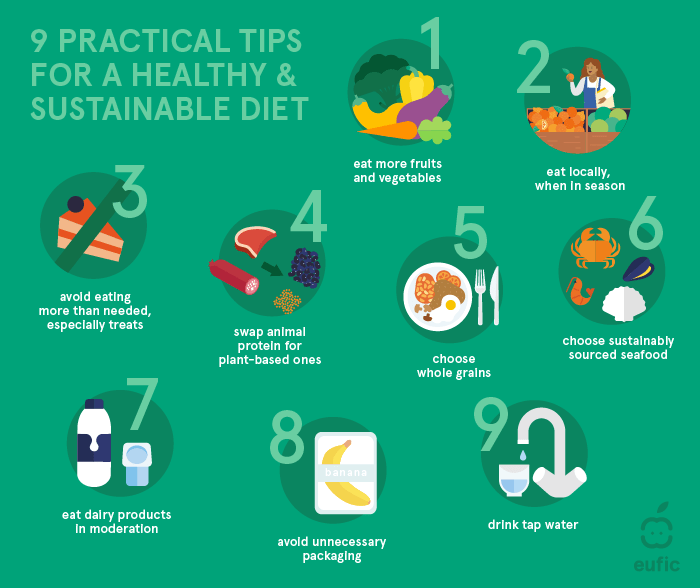
By understanding your current dietary habits, incorporating healthy eating strategies, and making sustainable changes, you can pave the way for a healthier and happier future. Remember that optimizing your diet is a journey, not a race. Embrace gradual progress, celebrate your successes, and don’t be afraid to seek professional guidance when needed. With consistent effort and mindful choices, you can achieve lasting improvements in your overall health and well-being.