Unlocking the transformative power of meditation hinges on optimizing your practice. This exploration delves into practical strategies for deepening relaxation and cultivating inner peace. We’ll examine key aspects, from finding the ideal posture and environment to mastering your breath and cultivating mental clarity, providing actionable steps to enhance your meditative journey.
Through insightful comparisons of different techniques and guided practices, you’ll discover how to navigate common challenges, such as racing thoughts and distractions. By the end, you’ll possess a refined understanding of how to tailor your meditation practice for maximum benefit, fostering a more profound connection with yourself and a heightened sense of well-being.
Finding Your Ideal Meditation Posture and Environment
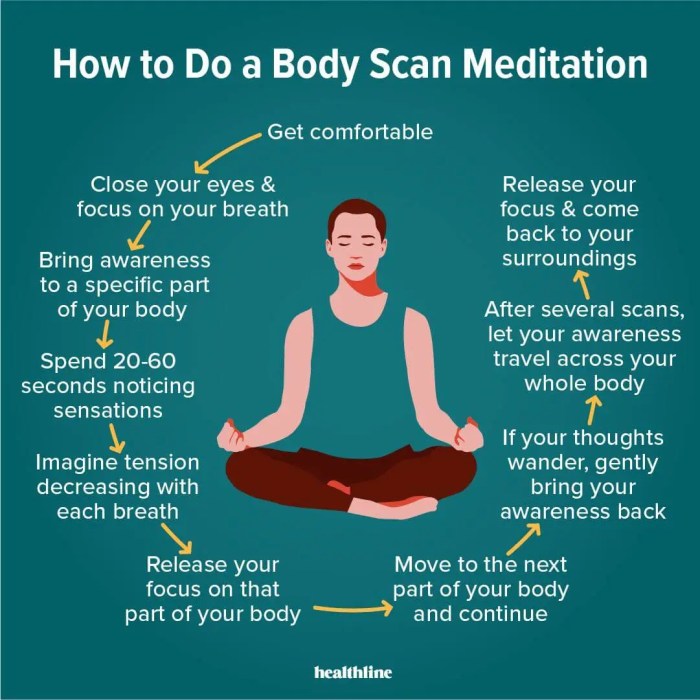
Finding the right posture and environment is crucial for a successful meditation practice. A comfortable and supportive posture allows you to maintain focus without physical discomfort, while a peaceful environment minimizes distractions and promotes relaxation. These two elements work synergistically to create an optimal setting for deepening your meditative experience.
Meditation Postures: A Comparison
Choosing the right meditation posture depends on individual preferences, physical limitations, and the type of meditation being practiced. Some postures are better suited for beginners, while others require more flexibility and balance. The following table compares three common postures:
| Posture | Benefits | Drawbacks | Suitability for Beginners |
|---|---|---|---|
| Seated (cross-legged or on a cushion) | Promotes good posture, encourages alertness, and is traditionally favored in many meditation practices. | Can be uncomfortable for beginners or those with back or knee problems; requires some flexibility. | Moderate – requires some practice to find a comfortable position. |
| Lying Down (supine) | Very relaxing and comfortable; ideal for beginners or those with physical limitations. | Increased risk of falling asleep; may not be suitable for all meditation techniques (e.g., those emphasizing alertness). | High – easy to maintain and very comfortable. |
| Walking Meditation | Combines physical movement with mindfulness; can be energizing and grounding. | Requires a safe and quiet space; may not be suitable for those with balance issues. | Moderate – requires practice to maintain focus on the sensation of walking. |
Creating a Dedicated Meditation Space
A dedicated meditation space, even a small corner, significantly enhances the practice. This designated area helps to condition your mind and body to associate the space with relaxation and mindfulness. Consistency in this dedicated area helps to reduce distractions and enhances the overall effectiveness of your meditation sessions.
- Choose a quiet location: Select a room or area relatively free from noise and interruptions. This might be a spare bedroom, a quiet corner of your living room, or even outdoors in a peaceful setting.
- Control the temperature: Maintain a comfortable temperature that is neither too hot nor too cold. A slightly cool environment is often preferred, as it can help promote alertness.
- Adjust the lighting: Soft, diffused lighting is ideal. Avoid harsh overhead lights. Candles (with appropriate safety precautions) or dim lamps can create a calming atmosphere. Some may prefer meditating in complete darkness.
- Minimize sounds: Reduce external noise as much as possible. This might involve using earplugs, playing calming nature sounds, or scheduling your meditation during quieter times of the day.
- Declutter the space: Keep the area clean, tidy, and free of clutter. A visually uncluttered space promotes mental clarity and reduces distractions.
- Add calming elements: Incorporate elements that promote relaxation, such as a comfortable cushion or blanket, a small plant, or calming artwork. Incense or essential oil diffusers (used cautiously) can enhance the atmosphere.
Mastering Your Breath and Focus
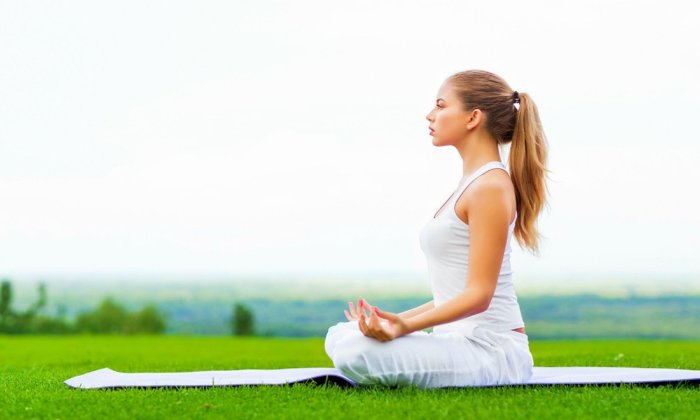
Effective meditation hinges on cultivating a mindful awareness of your breath, using it as an anchor to gently redirect your attention when your mind wanders. This section explores different breathing techniques and provides practical strategies to maintain focus. Mastering your breath is not just about physical control; it’s a pathway to calming the nervous system and deepening your meditative experience.
Different breathing techniques offer unique benefits for meditation. Diaphragmatic breathing, also known as belly breathing, and alternate nostril breathing (Nadi Shodhana) are two commonly employed methods. Understanding their nuances can help you choose the technique best suited to your needs and preferences.
Diaphragmatic Breathing and Alternate Nostril Breathing
Diaphragmatic breathing emphasizes deep, slow breaths that fully engage the diaphragm, the muscle separating the chest and abdomen. In this technique, the abdomen expands on the inhale and contracts on the exhale. This style promotes relaxation by stimulating the parasympathetic nervous system, reducing heart rate and blood pressure. In contrast, alternate nostril breathing involves alternately closing one nostril while inhaling and exhaling through the other. This technique is believed to balance the energy flow within the body, leading to a calmer and more centered state. While both techniques cultivate a sense of calm, diaphragmatic breathing is often preferred for beginners due to its simplicity and immediate calming effect, while alternate nostril breathing requires more practice and coordination.
A Guided Meditation Script Focusing on Breath Awareness
Find a comfortable seated position. Close your eyes gently. Bring your awareness to your breath. Notice the natural rhythm of your inhales and exhales. Feel the gentle rise and fall of your abdomen or chest. Don’t try to change your breath; simply observe it. If your mind wanders—and it will—gently acknowledge the thought and redirect your attention back to the sensation of your breath. Notice the coolness of the air as it enters your nostrils and the warmth as it leaves. Continue to observe your breath, without judgment, for five minutes. When you’re ready, gently open your eyes.
Common Distractions and Strategies for Redirecting Focus
Maintaining focus during meditation can be challenging. Many distractions, both internal and external, can disrupt your practice. Recognizing these distractions and developing strategies to manage them is crucial for a successful meditation session.
| Common Distraction | Strategy to Redirect Focus |
|---|---|
| Wandering Thoughts | Gently acknowledge the thought without judgment, and redirect your attention back to your breath. You can visualize placing the thought on a cloud and letting it float away. |
| Body Sensations (Itchiness, Discomfort) | Acknowledge the sensation without reacting. Observe it as a passing feeling. If the discomfort is significant, adjust your posture slightly. |
| External Noises | Acknowledge the sound without judgment. Observe it as a sound, not a disruption. Use the sound as a reference point to return your attention to your breath. |
| Emotional Arousal | Acknowledge the emotion without judgment. Observe the feeling in your body. Use your breath as an anchor to help regulate your emotions. |
Cultivating Mental Clarity and Emotional Regulation
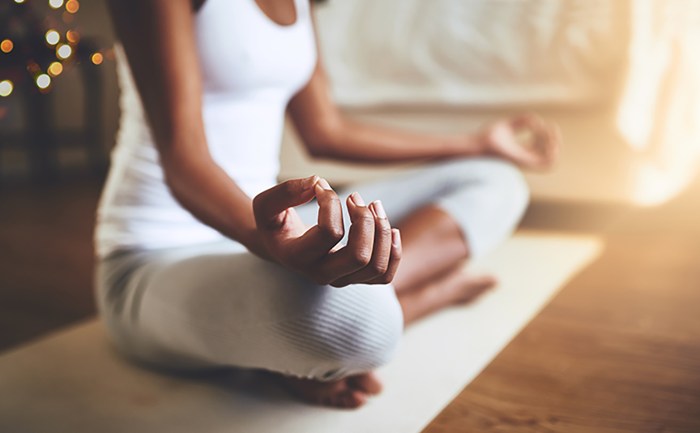
Meditation isn’t just about silencing the mind; it’s about learning to navigate the internal landscape of thoughts and emotions with greater awareness and acceptance. This section explores practical techniques to achieve mental clarity and emotional regulation during your practice, paving the way for deeper relaxation and inner peace. We’ll examine how to handle racing thoughts and cultivate a non-judgmental approach to emotional experiences.
The ability to observe thoughts and emotions without getting swept away by them is a cornerstone of effective meditation. This doesn’t mean suppressing feelings; rather, it involves acknowledging them without resistance, allowing them to pass like clouds across the sky. By cultivating this non-reactive stance, we create space for clarity and equanimity to emerge.
Managing Racing Thoughts
A common challenge during meditation is the persistent stream of thoughts. Instead of fighting these thoughts, the key is to approach them with mindful awareness. This involves gently observing each thought as it arises, acknowledging its presence without getting entangled in its content. Imagine your thoughts as leaves floating on a stream; watch them drift by without trying to grasp them or push them away.
When a thought arises, simply note it mentally – “thinking,” “planning,” “worrying” – and then gently redirect your attention back to your breath or chosen focus. This redirection isn’t about forceful suppression, but a gentle, compassionate guiding of your attention back to the present moment. With consistent practice, you’ll find it easier to observe thoughts without getting carried away by them.
The Role of Acceptance in Meditation
Acceptance is not passive resignation; it’s an active choice to acknowledge and embrace the full spectrum of your inner experience, including uncomfortable emotions. When difficult emotions arise during meditation – anxiety, frustration, sadness – the tendency is often to resist or push them away. However, resistance only amplifies their intensity. Instead, try to observe these emotions with a sense of curiosity and compassion. Acknowledge their presence without judgment, recognizing that they are temporary states that will eventually pass.
Imagine your emotions as waves in the ocean. They rise and fall, ebb and flow. Some are gentle ripples, others are powerful swells. Your role is not to control the waves, but to observe them from the shore, understanding their transient nature. This non-judgmental observation allows the emotions to naturally dissipate, creating space for calmness and clarity.
A Guided Meditation for Calm and Equanimity
Find a comfortable position, either sitting or lying down. Close your eyes gently. Begin by focusing on your breath, noticing the sensation of the air entering and leaving your body. As you breathe, visualize a tranquil scene – perhaps a calm lake reflecting a clear blue sky, or a peaceful forest bathed in sunlight. See the details vividly: the gentle lapping of water against the shore, the dappled sunlight filtering through the leaves, the soft breeze rustling through the trees.
Now, bring your attention to your body. Notice any sensations without judgment. Feel the weight of your body against the surface beneath you. Notice any tension and gently release it with each exhale. As thoughts arise, simply acknowledge them and gently return your focus to your breath and your visual scene. Allow yourself to fully immerse in this image of calmness, letting it wash over you. Feel a sense of peace and serenity spreading throughout your being. Continue this for several minutes, gradually extending the length of your practice as you become more comfortable.
Maintain this peaceful visualization for the remainder of your meditation. Notice how your breath becomes slower and deeper, your body more relaxed, and your mind quieter. When you’re ready, gently bring your awareness back to your surroundings. Open your eyes slowly, carrying this sense of calm with you throughout your day.
Outcome Summary
Ultimately, optimizing your meditation practice is a personal journey of self-discovery. By consciously attending to your posture, breath, and mental state, and by cultivating patience and self-compassion, you can transform your meditation sessions into powerful tools for stress reduction, emotional regulation, and profound inner peace. Remember, consistency is key; even short, focused sessions can yield significant benefits over time. Embrace the process, and allow your practice to evolve organically.