Achieving sustainable weight loss hinges on more than just exercise; it requires a strategic approach to nutrition. This guide unveils six key tips to optimize your diet, focusing on understanding your caloric needs, prioritizing whole foods, and incorporating lifestyle factors like hydration, sleep, and stress management. Learn how to create a personalized plan that fuels your weight loss journey effectively and sustainably.
We’ll delve into practical strategies for calculating your daily caloric intake, mastering portion control, and making informed food choices. You’ll discover the power of nutrient timing, the benefits of whole, unprocessed foods, and how to cultivate healthy habits that support your weight loss goals. This isn’t about quick fixes; it’s about building a lasting foundation for a healthier, happier you.
Understanding Caloric Needs for Weight Loss
Weight loss fundamentally boils down to creating a calorie deficit: consuming fewer calories than your body expends. This forces your body to tap into stored fat for energy, resulting in weight reduction. Understanding your individual caloric needs is crucial for designing a safe and effective weight loss plan. Ignoring this can lead to unsustainable dieting and potential health risks.
Calorie Calculation for Weight Loss
Calculating your daily caloric needs involves considering several factors: basal metabolic rate (BMR), activity level, and weight loss goals. BMR represents the calories your body burns at rest. Several online calculators utilize formulas factoring in age, sex, weight, and height to estimate BMR. These calculators then adjust the BMR based on your activity level (sedentary, lightly active, moderately active, very active, extra active) to determine your total daily energy expenditure (TDEE). To lose weight, you’ll need to consume fewer calories than your TDEE. A safe and sustainable weight loss rate is generally considered to be 1-2 pounds per week, which equates to a deficit of 500-1000 calories per day.
Portion Control Strategies
Effective portion control is essential for managing calorie intake. Visual cues can be helpful; for example, using smaller plates can make portions appear larger, reducing the likelihood of overeating. Measuring food using measuring cups and spoons ensures accuracy in portion sizes. Reading food labels carefully helps understand serving sizes and calorie counts. Mindful eating, paying attention to hunger and fullness cues, contributes to better portion control. Preparing meals at home allows greater control over ingredients and portion sizes compared to eating out.
Sample 1500-Calorie Meal Plan
This sample meal plan illustrates portion control for a 1500-calorie diet. Remember that individual needs vary, and this is just a guideline. Consult a registered dietitian or nutritionist for personalized guidance.
Breakfast (350 calories): Oatmeal (1/2 cup dry) with berries (1/2 cup) and a sprinkle of nuts (1/4 cup).
Lunch (400 calories): Salad (2 cups mixed greens) with grilled chicken breast (4 oz), vegetables (1 cup), and a light vinaigrette dressing (1 tbsp).
Dinner (500 calories): Baked salmon (4 oz) with roasted vegetables (1 cup) and quinoa (1/2 cup cooked).
Snacks (250 calories): Greek yogurt (1 cup) with fruit (1/2 cup) and a handful of almonds (1/4 cup).
Calorie Counts of Common Foods
| Food Item | Serving Size | Calories | Macronutrient Breakdown (approx.) |
|---|---|---|---|
| Apple | 1 medium | 95 | Carbohydrates: 25g, Protein: 0g, Fat: 0g |
| Grilled Chicken Breast | 4 oz | 165 | Carbohydrates: 0g, Protein: 30g, Fat: 5g |
| Brown Rice | 1/2 cup cooked | 110 | Carbohydrates: 22g, Protein: 2g, Fat: 1g |
| Almonds | 1/4 cup | 200 | Carbohydrates: 6g, Protein: 6g, Fat: 18g |
Prioritizing Whole Foods and Nutrient Timing
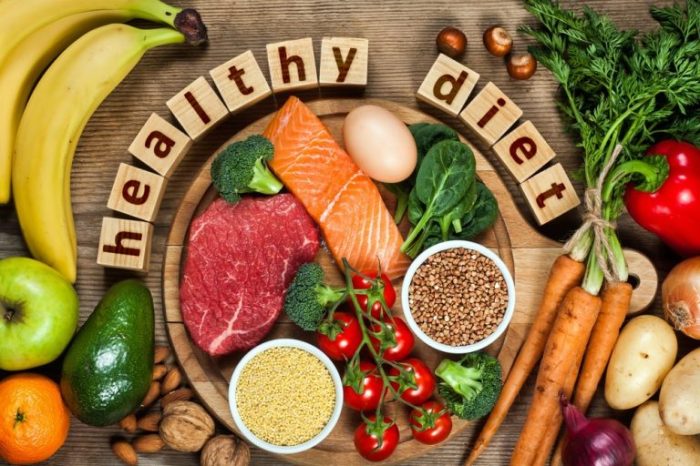
Successfully losing weight and keeping it off involves more than just reducing calorie intake. A crucial element is focusing on the quality of those calories, achieved by prioritizing whole, unprocessed foods and strategically timing your nutrient intake throughout the day. This approach supports sustained energy levels, promotes satiety, and ultimately facilitates more effective weight management.
Prioritizing whole foods provides your body with the essential nutrients it needs to function optimally, while minimizing the intake of empty calories and potentially harmful additives often found in processed foods. Strategic nutrient timing ensures you have the energy you need for workouts and daily activities while also preventing excessive hunger and cravings, making weight loss a more manageable process.
The Nutritional Comparison of Processed and Unprocessed Foods
Processed foods are often high in refined carbohydrates, unhealthy fats, added sugars, and sodium, while being low in essential vitamins, minerals, and fiber. These characteristics contribute to increased calorie intake without providing the same level of satiety as whole foods. Conversely, unprocessed foods like fruits, vegetables, whole grains, and lean proteins are packed with nutrients, fiber, and antioxidants, which promote fullness, regulate blood sugar levels, and support overall health. This difference in nutritional density directly impacts weight management; whole foods lead to a greater feeling of fullness with fewer calories, making it easier to stick to a calorie deficit. For example, a 100-calorie serving of potato chips might leave you feeling hungry shortly after, whereas a 100-calorie serving of berries would likely leave you feeling more satisfied due to the fiber content.
Five Nutrient-Dense Foods for Weight Loss
Choosing nutrient-rich foods is vital for effective weight loss. These foods offer a high concentration of nutrients relative to their calorie content, promoting satiety and supporting metabolic function.
- Leafy Greens (Spinach, Kale, etc.): Exceptionally low in calories and high in vitamins, minerals, and fiber, promoting satiety and digestive health. A large serving contributes very few calories but provides significant micronutrients.
- Berries (Blueberries, Strawberries, Raspberries): Rich in antioxidants and fiber, berries are naturally sweet and can satisfy sugar cravings without excessive calorie intake. The fiber contributes to sustained fullness.
- Lean Protein Sources (Chicken Breast, Fish, Beans): Essential for building and repairing tissues, lean proteins are highly satiating and support muscle mass, which is crucial for boosting metabolism.
- Whole Grains (Quinoa, Oats, Brown Rice): These provide complex carbohydrates that release energy slowly, preventing energy crashes and promoting sustained satiety. The fiber content is also beneficial for digestive health.
- Avocados: A unique fruit high in healthy monounsaturated fats, avocados promote satiety and contribute to nutrient absorption. They also offer fiber and various vitamins and minerals.
Sample Weekly Grocery List Emphasizing Whole Foods
Planning your meals ahead of time using a grocery list focused on whole foods is key to successful weight management. This sample list provides a framework; adjust quantities based on your individual needs and preferences.
- Fruits & Vegetables: Spinach, kale, berries (blueberries, strawberries), bananas, apples, avocados, broccoli, carrots, sweet potatoes.
- Protein Sources: Chicken breast, salmon fillets, canned beans (black beans, chickpeas), lentils.
- Whole Grains: Quinoa, brown rice, oats.
- Healthy Fats: Olive oil, nuts (almonds, walnuts).
- Other: Eggs, Greek yogurt (plain), spices (for flavoring).
Hydration, Sleep, and Stress Management for Optimal Results

Optimizing your nutrition for weight loss extends beyond just what you eat; it encompasses your overall lifestyle. Adequate hydration, quality sleep, and effective stress management are crucial for supporting your body’s natural weight regulation processes and maximizing the benefits of your dietary changes. These factors significantly influence metabolism, appetite, and hormonal balance, all of which play a vital role in successful weight management.
The Importance of Hydration for Weight Loss
Water is essential for numerous bodily functions, including metabolism and appetite regulation. Staying adequately hydrated helps your body function optimally, supporting efficient calorie burning and preventing dehydration-induced hunger. Dehydration can sometimes be mistaken for hunger, leading to unnecessary snacking. Drinking sufficient water throughout the day can contribute to feeling fuller, potentially reducing overall calorie intake. Aim for at least eight glasses of water daily, adjusting the amount based on your activity level and climate.
Strategies for Improving Sleep Quality
Sufficient sleep is vital for regulating hormones that control appetite and metabolism, namely leptin and ghrelin. Leptin signals satiety, while ghrelin stimulates hunger. Lack of sleep disrupts this balance, leading to increased ghrelin and decreased leptin, resulting in increased appetite and cravings, often for high-calorie foods. To improve sleep quality, establish a regular sleep schedule, create a relaxing bedtime routine (e.g., warm bath, reading), ensure your bedroom is dark, quiet, and cool, and limit screen time before bed. Aim for 7-9 hours of quality sleep per night.
Effective Stress Management Techniques
Chronic stress elevates cortisol levels, a hormone that promotes fat storage, particularly around the abdomen. High cortisol levels can also increase appetite and cravings for comfort foods, hindering weight loss efforts. Effective stress management techniques include regular exercise, yoga, meditation, deep breathing exercises, and spending time in nature. These activities help lower cortisol levels, promoting a sense of calm and reducing cravings. Finding healthy coping mechanisms for stress is crucial for long-term weight management success.
Incorporating Mindfulness and Relaxation Practices
Mindfulness and relaxation practices, such as meditation or deep breathing exercises, can significantly reduce stress and improve overall well-being. These practices help cultivate self-awareness, allowing you to identify and manage stress triggers more effectively. Even short daily sessions of mindfulness meditation (5-10 minutes) can significantly impact stress levels and improve sleep quality. A guided meditation app or a quiet space for deep breathing exercises can easily be incorporated into a daily routine.
Creating a Personalized Sleep and Stress Management Plan
A personalized plan should consider individual needs and preferences. Start by tracking your sleep patterns and stress levels for a week to identify patterns and triggers. Based on this information, create a schedule that prioritizes 7-9 hours of sleep, incorporates relaxation techniques (e.g., 15-minute meditation before bed), and schedules regular physical activity to manage stress. Regularly review and adjust your plan as needed to optimize its effectiveness. Remember consistency is key to achieving lasting results.
Final Thoughts
By implementing these six tips—understanding your caloric needs, prioritizing whole foods, mastering nutrient timing, staying hydrated, prioritizing sleep, and managing stress—you can create a personalized nutrition plan designed for effective and sustainable weight loss. Remember, consistency and mindful choices are key to long-term success. This journey is about building healthy habits, not just shedding pounds. Embrace the process, celebrate your progress, and enjoy the journey towards a healthier you.