Building muscle requires more than just lifting weights; it demands a strategic approach to nutrition. Understanding macronutrient balance, caloric intake, and the role of micronutrients is crucial for maximizing muscle growth and minimizing fat gain. This guide provides seven key tips to optimize your nutrition for achieving your fitness goals, focusing on practical strategies and actionable advice.
We’ll delve into the ideal ratios of protein, carbohydrates, and fats, exploring how to tailor your caloric intake to support muscle growth, and highlighting the importance of essential vitamins and minerals. We’ll also discuss the benefits and drawbacks of popular supplements and the significance of proper hydration. By the end, you’ll have a comprehensive understanding of how to fuel your body for optimal muscle development.
Macronutrient Balance for Muscle Growth

Achieving optimal muscle growth requires a carefully balanced intake of macronutrients: protein, carbohydrates, and fats. Each plays a crucial role in providing the energy and building blocks necessary for muscle protein synthesis and overall recovery. Understanding the ideal ratios and how to incorporate them into your diet is key to maximizing your results.
The optimal macronutrient ratio for muscle growth varies depending on individual factors such as training intensity, body composition goals, and individual metabolic responses. However, a generally accepted guideline for individuals aiming for muscle growth is a range that prioritizes protein intake, followed by carbohydrates, and then fats. It’s important to remember that these are guidelines, and individual needs may differ. Experimentation and tracking progress are vital to fine-tuning your own ideal macronutrient balance.
Macronutrient Ratios and Their Roles
Protein is the primary building block for muscle tissue. It fuels muscle protein synthesis, the process by which your body repairs and builds new muscle fibers. Carbohydrates provide the primary source of energy for your workouts, preventing muscle breakdown and fueling muscle growth. Fats are essential for hormone production, nutrient absorption, and overall bodily function. They also provide a sustained energy source.
Daily Macronutrient Targets Based on Activity Level
The following table provides example daily macronutrient targets for different activity levels. These are estimates, and individual needs will vary. Consult with a registered dietitian or nutritionist for personalized recommendations.
| Activity Level | Protein (grams) | Carbohydrates (grams) | Fats (grams) |
|---|---|---|---|
| Sedentary | 1.0 g/kg body weight | 2-3 g/kg body weight | 0.5-1 g/kg body weight |
| Lightly Active | 1.2 g/kg body weight | 3-4 g/kg body weight | 0.6-1.2 g/kg body weight |
| Moderately Active | 1.4 g/kg body weight | 4-5 g/kg body weight | 0.7-1.4 g/kg body weight |
| Very Active | 1.6 g/kg body weight | 5-6 g/kg body weight | 0.8-1.6 g/kg body weight |
Protein Intake for Muscle Protein Synthesis
Sufficient protein intake is paramount for maximizing muscle protein synthesis. A general recommendation is to consume between 1.6 and 2.2 grams of protein per kilogram of body weight daily for optimal muscle growth, particularly for individuals engaged in intense resistance training. This range ensures your body has the necessary building blocks to repair and rebuild muscle tissue after workouts. Falling short of this intake can significantly hinder progress.
Sample Meal Plan
This sample meal plan demonstrates how to incorporate the ideal macronutrient ratios into a daily diet. Remember to adjust portion sizes based on your individual caloric needs and activity level. This plan prioritizes whole, unprocessed foods for optimal nutrient absorption.
Meal 1 (Breakfast): Oatmeal (carbohydrates) with berries (carbohydrates & antioxidants), Greek yogurt (protein), and a sprinkle of nuts (healthy fats).
Meal 2 (Lunch): Grilled chicken breast (protein) salad with mixed greens (carbohydrates & vitamins), avocado (healthy fats), and a light vinaigrette dressing.
Meal 3 (Dinner): Salmon (protein & healthy fats) with quinoa (carbohydrates) and steamed broccoli (carbohydrates & vitamins).
Snacks: Hard-boiled eggs (protein), a handful of almonds (healthy fats & protein), fruit (carbohydrates).
Optimizing Caloric Intake and Timing

Building muscle requires a multifaceted approach, and optimizing your caloric intake is a crucial component. Understanding the relationship between calories, muscle growth, and fat gain is key to achieving your fitness goals efficiently. This section will Artikel strategies for determining your individual caloric needs and managing your intake for optimal muscle growth.
Caloric surplus is essential for muscle growth. To build muscle, your body needs more energy (calories) than it expends. This excess energy fuels the muscle protein synthesis necessary for hypertrophy (muscle growth). However, a significant surplus can lead to unwanted fat gain. The goal is to find the sweet spot—a moderate surplus that maximizes muscle growth while minimizing fat accumulation.
Determining Individual Caloric Needs
Several factors influence your daily caloric needs, including age, activity level, and body composition. Estimating your Basal Metabolic Rate (BMR), which is the number of calories your body burns at rest, is a starting point. There are online calculators that can estimate this based on your age, sex, weight, and height. However, these are just estimations. To refine this estimate, consider your activity level. Are you sedentary, lightly active, moderately active, very active, or extra active? This will significantly impact your total daily energy expenditure (TDEE). For example, a moderately active individual will require more calories than a sedentary one. Finally, body composition plays a role. Individuals with higher muscle mass generally have a higher metabolic rate than those with less muscle mass.
Adjusting Caloric Intake for Muscle Growth
Adjusting your caloric intake involves a systematic process of monitoring, tracking, and making adjustments based on your progress. This isn’t a one-size-fits-all approach; it requires observation and adaptation.
- Baseline Assessment: Begin by tracking your current caloric intake for a week using a food diary or app. This establishes your starting point.
- Calculate TDEE: Use an online calculator to estimate your TDEE based on your BMR and activity level. Add 250-500 calories to this number to create a moderate caloric surplus.
- Monitor Progress: After 2-4 weeks of maintaining this caloric surplus, assess your progress. Are you gaining muscle mass? Are you also gaining too much body fat? Use measurements (weight, body fat percentage) and visual observations to evaluate your progress.
- Adjust Accordingly: If you’re gaining muscle but also accumulating too much fat, reduce your caloric surplus by 100-200 calories per day. If muscle growth is slow, increase your surplus by 100-200 calories per day. Adjustments should be gradual to avoid metabolic shocks.
For example: Let’s say an individual’s TDEE is calculated to be 2500 calories. To promote muscle growth, they might start with a 2750-3000 calorie intake (a 250-500 calorie surplus). If, after four weeks, they notice excessive fat gain, they can reduce their intake to 2650-2750 calories.
Optimizing Meal Timing and Frequency
Consuming adequate protein and carbohydrates around your workouts can significantly enhance muscle protein synthesis and glycogen replenishment.
The timing and frequency of meals are important considerations. Instead of three large meals, consider spreading your intake across 4-6 smaller meals throughout the day. This approach helps maintain consistent blood sugar levels and provides a steady supply of nutrients to support muscle recovery and growth.
Consuming a protein-rich meal or snack within 30-60 minutes post-workout is crucial for maximizing muscle protein synthesis. This is because your muscles are more sensitive to protein intake immediately after exercise. Including carbohydrates with your post-workout meal helps replenish glycogen stores depleted during training. A pre-workout meal or snack containing carbohydrates can provide energy for your workout.
Micronutrients and Supplementation for Muscle Growth

Optimizing your macronutrient intake is only half the battle when it comes to building muscle. Equally crucial are micronutrients and strategic supplementation, which play vital roles in supporting muscle growth, recovery, and overall health. Ignoring these aspects can hinder your progress, no matter how meticulously you plan your protein and carbohydrate intake.
Essential Micronutrients for Muscle Growth
Several vitamins and minerals are essential for optimal muscle growth and repair. These nutrients are involved in various metabolic processes, including protein synthesis, energy production, and the reduction of oxidative stress, all of which are critical for building and maintaining muscle mass. A deficiency in even one of these can significantly impact your results.
| Micronutrient | Role in Muscle Growth | Food Sources |
|---|---|---|
| Vitamin D | Supports muscle protein synthesis, improves muscle strength and function. Plays a role in calcium absorption, crucial for muscle contraction. | Fatty fish (salmon, tuna), egg yolks, fortified foods (milk, cereals). Sunlight exposure. |
| Vitamin K | Essential for blood clotting, which is important for injury recovery and reducing inflammation. | Leafy green vegetables (kale, spinach), broccoli, Brussels sprouts. |
| Magnesium | Involved in over 300 biochemical reactions in the body, including protein synthesis, muscle contraction, and energy production. A deficiency can lead to muscle cramps and weakness. | Dark leafy greens, nuts, seeds, legumes. |
| Zinc | Plays a crucial role in protein synthesis and cell growth, supporting muscle repair and recovery. Contributes to immune function, important for avoiding illness that can disrupt training. | Red meat, poultry, beans, nuts. |
| Iron | Essential for oxygen transport to muscles, supporting energy production and endurance. Anemia, caused by iron deficiency, can severely impair athletic performance. | Red meat, poultry, beans, lentils, spinach. |
Common Muscle-Building Supplements
Several supplements can complement a well-balanced diet and support muscle growth. However, it’s crucial to understand their benefits and potential drawbacks before incorporating them into your routine. These supplements should be viewed as additions to, not replacements for, a healthy diet.
Creatine monohydrate is a well-researched supplement that increases muscle creatine stores, leading to improved strength and power output. While generally safe, some individuals may experience water retention and gastrointestinal discomfort. Whey protein, a fast-digesting protein source, is popular for post-workout recovery, facilitating muscle protein synthesis. However, it can be expensive and may not be suitable for individuals with lactose intolerance. Branched-chain amino acids (BCAAs), consisting of leucine, isoleucine, and valine, are essential amino acids that play a critical role in muscle protein synthesis. They may reduce muscle soreness and fatigue, but research on their overall effectiveness is ongoing.
Hydration for Muscle Growth and Performance
Adequate hydration is paramount for muscle growth and overall athletic performance. Water is involved in numerous bodily functions, including nutrient transport, waste removal, and temperature regulation. Dehydration can impair muscle function, reduce strength and endurance, and hinder recovery. The recommended daily fluid intake varies depending on factors such as activity level, climate, and individual body size. However, a general guideline is to consume at least half your body weight in ounces of water daily. Strategies for maintaining proper hydration include carrying a water bottle throughout the day, drinking water before, during, and after workouts, and consuming hydrating foods such as fruits and vegetables.
Creating a Personalized Supplement Plan
Developing a personalized supplement plan requires careful consideration of individual needs and dietary habits. Begin by assessing your current diet and identifying any nutritional deficiencies. Consider consulting a registered dietitian or sports nutritionist for personalized guidance. Prioritize whole foods as the foundation of your diet, and use supplements to address specific deficiencies or support training goals. Start with a single supplement, monitor its effects, and adjust your plan as needed. Remember, supplements are not magic bullets; they are tools to support your overall health and fitness goals. Always follow the recommended dosage and consult with a healthcare professional before starting any new supplement regimen.
Concluding Remarks
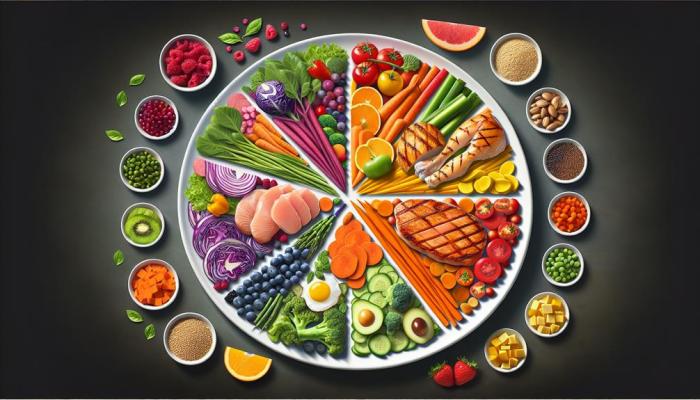
Optimizing your nutrition for muscle growth is a journey, not a race. By focusing on a balanced macronutrient intake, carefully managing your caloric surplus, prioritizing essential micronutrients, and considering strategic supplementation, you can significantly enhance your progress. Remember consistency and patience are key. With a well-planned nutritional strategy, you’ll be well on your way to achieving your muscle-building goals and experiencing the benefits of a stronger, healthier body.