Transform your garden from a struggling patch of earth into a thriving oasis with these four essential tips. We’ll explore the secrets to healthy soil, efficient watering, effective pest management, and selecting the right plants for your unique environment. Get ready to cultivate a garden that flourishes and yields abundant harvests.
This guide provides practical, actionable advice, moving beyond basic gardening knowledge to help you achieve superior results. From understanding soil composition to mastering natural pest control, you’ll learn techniques to optimize your gardening efforts and maximize your yields, whether you’re a seasoned gardener or just starting out.
Soil Preparation and Plant Selection
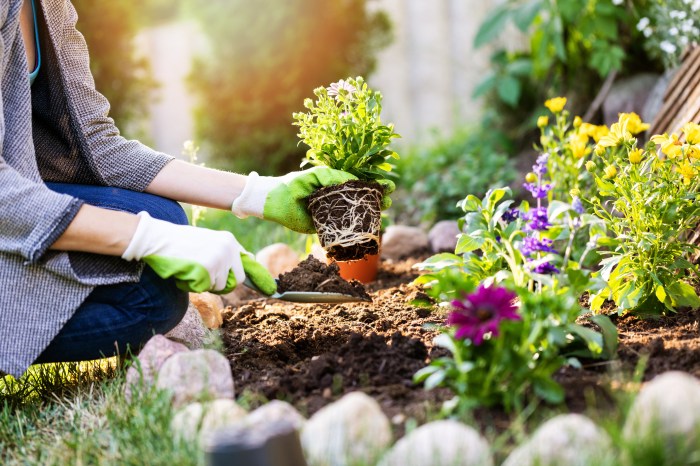
Successful gardening hinges on two crucial elements: preparing the soil to its optimal condition and selecting plants well-suited to your specific environment. Understanding these aspects significantly impacts plant health, growth, and overall yield. Ignoring either can lead to disappointing results, no matter how diligent you are with other gardening tasks.
Soil Testing and Amendment
Soil testing is the cornerstone of effective soil preparation. It reveals the pH level and nutrient composition of your soil, providing valuable insights into its suitability for various plants. A soil test kit, readily available at most garden centers, allows you to assess your soil’s characteristics accurately. Testing identifies deficiencies (like a lack of nitrogen, phosphorus, or potassium) or imbalances (such as excessively high or low pH). Based on the results, you can amend your soil accordingly, ensuring optimal growing conditions. Amending soil involves incorporating organic matter, such as compost, to improve soil structure, drainage, and nutrient content. Compost acts as a natural fertilizer, enriching the soil with essential nutrients and improving its water retention capacity. Other organic amendments include well-rotted manure, leaf mold, and peat moss, each offering unique benefits depending on your soil’s needs. For instance, sandy soils benefit from peat moss to improve water retention, while clay soils benefit from compost to improve drainage. The general rule of thumb is to incorporate several inches of compost into the top layer of soil before planting.
Plant Selection for Climate and Soil Type
Choosing the right plants is equally vital. Consider your local climate, including average temperature, rainfall, and sunlight exposure. Different plants thrive under different conditions. For example, tomatoes need plenty of sunlight and well-drained soil, while leafy greens prefer partial shade and consistently moist soil. Furthermore, selecting plants compatible with your soil type is crucial. Plants adapted to well-drained soil may struggle in heavy clay, and vice-versa. Local nurseries and gardening experts can offer valuable advice on plants suitable for your specific region and soil conditions. Researching the specific needs of each plant you intend to grow will help ensure their success.
Sunlight, Water, and Nutrient Requirements of Common Vegetables
Understanding the specific requirements of different vegetables is key to successful gardening. The table below Artikels the general needs of several common vegetables. Remember that these are guidelines, and actual requirements may vary slightly depending on your specific climate and soil conditions.
| Plant Name | Sunlight Needs | Water Needs | Nutrient Needs |
|---|---|---|---|
| Tomatoes | Full Sun (6-8 hours) | Moderate to High | High (especially phosphorus and potassium) |
| Lettuce | Partial Shade (4-6 hours) | Moderate | Moderate (nitrogen is important) |
| Beans | Full Sun (6-8 hours) | Moderate | Moderate (nitrogen fixing) |
| Carrots | Full Sun (6-8 hours) | Moderate | Moderate |
Watering and Fertilizing Techniques
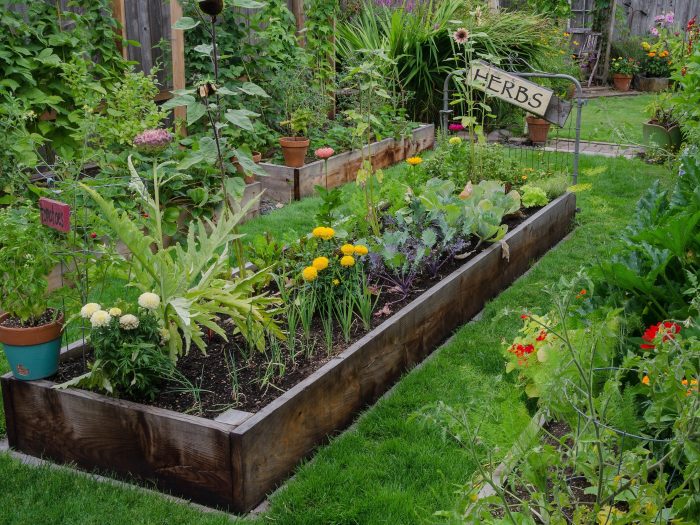
Efficient watering and fertilizing are crucial for healthy plant growth. Proper techniques ensure your plants receive the necessary nutrients and hydration without wasting resources or harming the plants. Understanding the nuances of both will significantly improve your gardening success.
Efficient watering methods conserve water and deliver moisture directly to plant roots, promoting healthier growth and reducing water waste. Overwatering and underwatering are common problems, each with distinct symptoms that can indicate the need for adjustments in your watering practices. Fertilizers, meanwhile, provide essential nutrients, but selecting the right type and applying it correctly is critical for optimal results. Over-fertilization can be just as damaging as under-fertilization.
Efficient Watering Methods
Drip irrigation and soaker hoses are excellent examples of efficient watering techniques. Drip irrigation systems deliver water directly to the roots through a network of tubes and emitters, minimizing evaporation and runoff. Soaker hoses, similarly, provide slow, consistent watering along their length, allowing water to penetrate the soil gradually. Both methods reduce water waste compared to overhead sprinklers, which can lead to significant water loss through evaporation and can also cause fungal diseases by wetting the plant foliage.
Signs of Underwatered and Overwatered Plants
Recognizing the signs of underwatering and overwatering is vital for timely intervention. Underwatered plants often exhibit wilting leaves, dry soil, and stunted growth. The leaves might appear brittle and curl upwards. Overwatered plants, conversely, show yellowing leaves, soggy soil, and may even develop root rot. The leaves might appear droopy and the soil will smell unpleasant, possibly emitting a foul odor. Early detection and appropriate adjustments to watering schedules are key to preventing irreversible damage.
Types of Fertilizers and Their Applications
Various fertilizer types cater to different plant needs. Organic fertilizers, such as compost and manure, release nutrients slowly, providing a sustained supply over time. Inorganic fertilizers, on the other hand, provide a quick release of nutrients, ideal for situations requiring immediate nutrient replenishment. The choice between organic and inorganic fertilizers depends on the plant type, soil conditions, and personal preferences. For example, slow-release granular fertilizers are ideal for established plants requiring a steady supply of nutrients, while liquid fertilizers offer immediate nourishment for plants experiencing nutrient deficiencies. Always follow the manufacturer’s instructions for application rates.
Preparing and Applying Homemade Compost Tea
Compost tea is a liquid fertilizer rich in beneficial microbes that enhance soil health and plant growth. To prepare compost tea, you will need a container with an aeration system (to prevent anaerobic conditions), a well-aged compost, and water. Follow these steps:
- Fill the container with water and add a handful of well-aged compost.
- Aerate the mixture using an aquarium pump or a similar device for 24-48 hours.
- Strain the tea through a cheesecloth or a fine-mesh sieve to remove the solid compost particles.
- Dilute the compost tea with water before applying it to your plants. A typical dilution ratio is 1 part compost tea to 10 parts water.
- Apply the diluted compost tea directly to the soil, avoiding wetting the foliage to prevent fungal diseases.
Pest and Disease Management
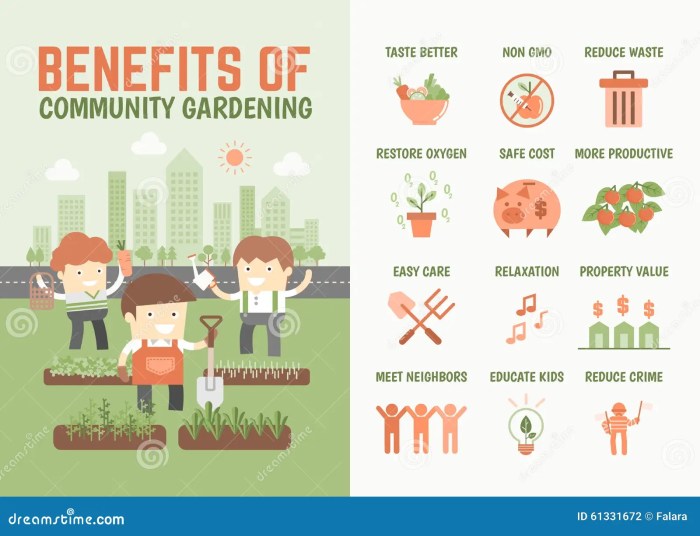
Maintaining a healthy garden requires vigilance against pests and diseases. Early detection and proactive measures are crucial to prevent significant damage and maintain the overall health of your plants. Understanding the common threats in your region and employing appropriate control methods will contribute significantly to your gardening success.
Identifying common garden pests and diseases specific to your geographical location is the first step towards effective management. This involves familiarizing yourself with local pests such as aphids, spider mites, slugs, snails, and common diseases like powdery mildew, blight, and root rot. Regular inspection of your plants, noting any unusual discoloration, wilting, or insect activity, is essential for early detection. Resources like local agricultural extension offices or online databases specific to your region can provide valuable information on prevalent pests and diseases.
Natural Pest Control Methods
Natural pest control methods offer environmentally friendly and sustainable solutions to managing garden pests. These methods prioritize minimizing the use of harmful chemicals while promoting the natural balance of your garden ecosystem. They are often more effective when implemented as a preventative strategy rather than a reactive one.
Preventative Measures for Pest and Disease Problems
Preventing pest and disease problems is far more effective than dealing with infestations or outbreaks. Implementing a range of preventative measures can significantly reduce the likelihood of encountering significant issues. These preventative measures contribute to a healthier garden ecosystem, making it less hospitable to pests and diseases.
Organic Pest Control Solutions
Employing organic pest control solutions offers a safe and environmentally responsible approach to managing garden pests. These methods minimize the risks associated with chemical pesticides, protecting both beneficial insects and the environment. The effectiveness of organic methods often relies on early detection and consistent application.
- Neem Oil: A natural insecticide derived from the neem tree, effective against a wide range of soft-bodied insects like aphids and mealybugs. Apply as a foliar spray according to product instructions.
- Insecticidal Soap: A solution that disrupts the cell membranes of insects, particularly effective against soft-bodied insects and mites. Avoid using on hot days or when plants are under stress.
- Diatomaceous Earth: A naturally occurring sedimentary rock that acts as a desiccant, causing dehydration and death in insects. Apply as a dust around plants, focusing on areas where pests congregate.
- Bacillus thuringiensis (Bt): A naturally occurring bacterium that produces toxins lethal to specific insect larvae, such as caterpillars. Choose a Bt strain specific to the target pest.
- Companion Planting: Strategically planting certain species together can deter pests. For example, marigolds repel nematodes, while basil repels aphids and whiteflies.
Final Wrap-Up
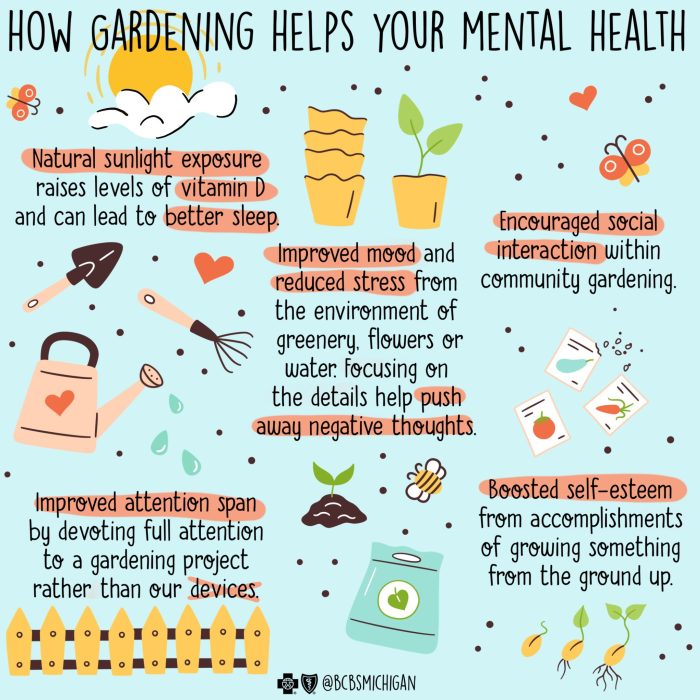
By implementing these four key strategies – preparing your soil, mastering watering and fertilization, proactively managing pests and diseases, and carefully selecting your plants – you’ll significantly improve your gardening success. Remember, a healthy garden is a rewarding garden. Embrace the journey, enjoy the process, and watch your gardening skills blossom!