Landing your dream job often hinges on a compelling resume. This guide dissects four crucial elements – crafting a powerful summary, showcasing relevant experience, highlighting essential skills, and effectively presenting your education – to help you create a document that truly captures your potential and stands out from the competition. We’ll explore practical strategies and provide actionable examples to ensure your resume makes a lasting impression on potential employers.
By mastering these four key areas, you’ll transform your resume from a simple list of accomplishments into a dynamic and persuasive marketing tool. We’ll delve into techniques to quantify your achievements, tailor your experience to specific job descriptions, and strategically highlight the skills that align perfectly with your target roles. The result? A resume that not only gets noticed but also secures you interviews.
Crafting a Compelling Summary/Objective

A strong resume summary or objective statement is crucial for grabbing a recruiter’s attention and showcasing your value proposition. It’s the first thing many recruiters see, acting as a brief advertisement for your skills and experience. A well-crafted statement can significantly increase your chances of landing an interview. Choosing between a summary and an objective depends on your career stage and the specific job you’re targeting.
A well-written resume summary or objective statement provides a concise overview of your key skills and accomplishments, tailored to the specific job description. It acts as a hook, drawing the reader in and compelling them to learn more about your qualifications. Quantifiable results are especially effective in demonstrating your impact in previous roles.
Summary versus Objective Statements
The choice between a summary and an objective statement depends largely on your career experience. Objective statements are generally more appropriate for entry-level candidates or those making a career change, outlining their career goals and aspirations. They focus on what the candidate *wants* to achieve. Summaries, on the other hand, are better suited for mid-career and senior-level professionals. They highlight past achievements and showcase what the candidate *has* achieved. In many industries, the summary statement has largely replaced the objective statement due to its more impactful nature. For example, in highly competitive fields like technology or finance, a summary that demonstrates tangible achievements will be significantly more effective than a general statement of intent.
Examples of Strong Summary Statements
The following table provides examples of strong summary statements, demonstrating how to incorporate quantifiable achievements and tailor them to specific job roles. Note the focus on results and the use of action verbs.
| Skill | Quantifiable Achievement | Relevant Job | Impact |
|---|---|---|---|
| Project Management | Successfully managed 5 projects, delivering them on time and under budget, resulting in a 15% cost reduction. | Project Manager | Demonstrated ability to manage complex projects and deliver significant cost savings. |
| Sales & Marketing | Increased sales by 20% within six months through targeted marketing campaigns and improved customer engagement strategies. | Marketing Manager | Proven track record of driving sales growth and improving marketing ROI. |
| Software Development | Developed and implemented three key features for a flagship product, resulting in a 10% increase in user engagement. | Software Engineer | Demonstrated ability to deliver high-impact features and improve product performance. |
| Data Analysis | Analyzed large datasets to identify key trends and insights, leading to a 5% improvement in operational efficiency. | Data Analyst | Proven ability to extract actionable insights from data and drive process improvements. |
Showcasing Relevant Experience
Crafting a compelling resume requires more than just listing your job titles and responsibilities. You need to demonstrate the value you brought to each role, showcasing your accomplishments and aligning them with the requirements of your target jobs. Effectively highlighting your experience is crucial for capturing the recruiter’s attention and securing an interview.
The most effective way to present your work experience is to use the STAR method. This structured approach ensures your accomplishments are clear, concise, and impactful. By consistently using the STAR method throughout your resume, you create a narrative that showcases your skills and achievements in a compelling and memorable way. This method helps recruiters understand not only what you did but also the context, your contribution, and the positive outcomes you achieved.
Using the STAR Method to Describe Experience
The STAR method stands for Situation, Task, Action, and Result. Let’s break down how to apply it to your work experience descriptions. Each bullet point on your resume should follow this structure, allowing recruiters to quickly grasp the significance of your contributions.
- Situation: Briefly describe the context of your work. What was the challenge or opportunity you faced? For example: “Managed a team of five junior developers on a high-priority project with a tight deadline.”
- Task: Clearly state your role and responsibilities within the situation. What were you specifically tasked with accomplishing? For example: “Responsible for designing, developing, and testing a new e-commerce platform feature.”
- Action: Detail the steps you took to address the situation and complete the task. Use action verbs to showcase your initiative and proactivity. For example: “Implemented agile development methodologies, leading daily stand-ups and sprint reviews to ensure efficient project management.”
- Result: Quantify your accomplishments whenever possible. What positive outcomes did your actions produce? Use metrics and numbers to demonstrate your impact. For example: “Delivered the project on time and under budget, resulting in a 15% increase in online sales within the first quarter.”
Tailoring Experience Descriptions to Job Requirements
Before submitting your resume for a specific job application, carefully review the job description. Identify the key skills, qualifications, and accomplishments the employer is seeking. Then, tailor your experience descriptions to highlight the aspects of your background that align with those requirements. Use s from the job description in your bullet points to improve your chances of getting noticed by applicant tracking systems (ATS) and recruiters.
For example, if a job description emphasizes “project management” and “budget control,” your bullet points should reflect your experience in these areas, even if they were secondary responsibilities in a previous role. By strategically highlighting relevant skills, you demonstrate a strong understanding of the job requirements and increase your candidacy’s competitiveness.
Organizing Work History Chronologically
Organize your work history chronologically, starting with your most recent position. This allows recruiters to easily follow the progression of your career. Within each role, highlight any promotions or increases in responsibilities. This demonstrates career growth and advancement, showcasing your ability to take on new challenges and responsibilities. Use strong action verbs at the beginning of each bullet point to create a dynamic and impactful presentation of your accomplishments.
For example, instead of writing “Responsible for customer service,” write “Managed customer inquiries, resolving complex issues and exceeding customer satisfaction targets.” This shows initiative and quantifiable results, making your contributions more noticeable.
Highlighting Essential Skills and Education

A compelling resume effectively showcases not only your experience but also the crucial skills and educational background that make you the ideal candidate. This section demonstrates how to highlight these elements to catch a recruiter’s eye and secure an interview. By strategically presenting your skills and education, you paint a clear picture of your capabilities and suitability for the role.
Effectively integrating your skills and education requires a thoughtful approach. You need to identify the skills most relevant to your target job and then demonstrate how your experience and education have equipped you with those skills. This isn’t just about listing items; it’s about showcasing your proficiency and impact.
Key Skills for a Software Engineer Role
For a software engineer position, a combination of technical and interpersonal skills is vital. The following list exemplifies the skills needed and how to demonstrate them on a resume.
- Hard Skills:
- Programming Languages (e.g., Java, Python, C++): “Developed and maintained over 10,000 lines of code in Java for a high-traffic e-commerce platform, resulting in a 15% increase in transaction speed.” This quantifies your experience and highlights your impact.
- Software Development Methodologies (e.g., Agile, Scrum): “Successfully implemented Agile methodologies in a team of five, leading to a 20% reduction in project completion time.” This demonstrates your ability to work effectively in a team environment.
- Databases (e.g., SQL, NoSQL): “Designed and optimized a SQL database for a client, improving query performance by 30%.” This shows your technical expertise and its practical application.
- Cloud Computing (e.g., AWS, Azure, GCP): “Migrated a legacy system to AWS, resulting in a 10% reduction in infrastructure costs.” This showcases your experience with modern technologies.
- Soft Skills:
- Problem-Solving: “Independently debugged and resolved a critical production issue, preventing significant downtime and data loss.” This showcases your ability to handle pressure and find solutions.
- Teamwork/Collaboration: “Collaborated effectively with cross-functional teams (design, product, QA) to deliver high-quality software products on time and within budget.” This demonstrates your ability to work collaboratively.
- Communication: “Presented technical concepts clearly and concisely to both technical and non-technical audiences.” This emphasizes your communication skills, essential for collaboration and stakeholder management.
Integrating Education to Support Skillset
Your education forms a strong foundation for your skills. Clearly highlighting relevant coursework, degrees, and certifications strengthens your resume.
For example, a Bachelor of Science in Computer Science coupled with coursework in data structures and algorithms directly supports your proficiency in programming languages and problem-solving. Mentioning specific projects completed during your academic career, such as a capstone project involving the development of a mobile application using Java and a NoSQL database, further demonstrates your practical application of learned skills. Similarly, a relevant certification like AWS Certified Solutions Architect – Associate demonstrates your expertise in cloud computing. This integration provides concrete evidence of your capabilities.
Summary
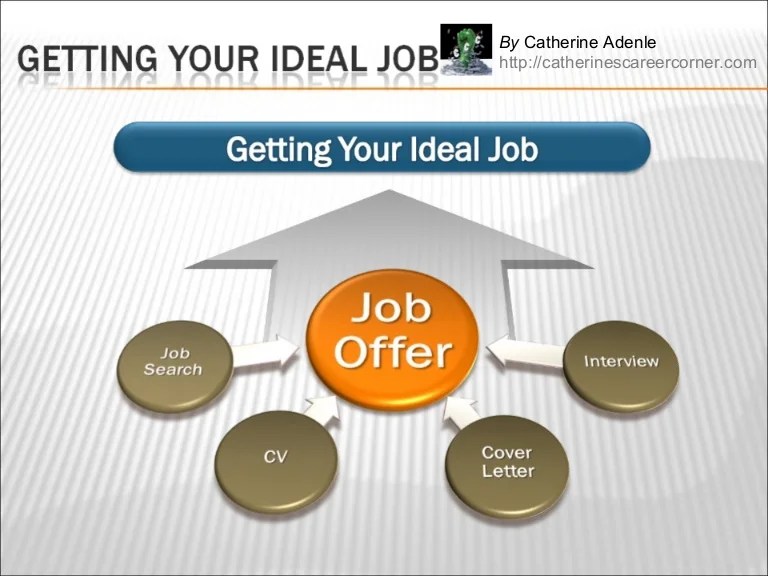
Creating a winning resume requires a strategic approach, focusing on showcasing your unique value proposition. By carefully crafting a compelling summary, highlighting relevant experience using the STAR method, strategically presenting your skills, and effectively integrating your education, you significantly increase your chances of landing that dream job. Remember, your resume is your first impression – make it count. Invest the time to refine your document, and watch your career prospects soar.