Networking events can be daunting, but mastering the art of connection can significantly impact your professional and personal life. This guide provides five key strategies to optimize your networking experience, transforming events from anxiety-inducing situations into opportunities for meaningful relationships and valuable collaborations. We’ll explore pre-event preparation, effective in-event engagement, and post-event follow-up, equipping you with the tools to build a strong professional network.
From researching attendees beforehand to crafting personalized follow-up messages, we’ll cover all aspects of successful networking. Learn how to initiate conversations confidently, engage in meaningful discussions, and gracefully exit interactions. This guide is designed to provide actionable advice, empowering you to make the most of every networking opportunity.
During the Event

Successfully navigating a networking event hinges on your ability to initiate and maintain engaging conversations. This section focuses on practical strategies to maximize your interactions and build meaningful connections during the event itself. Effective communication and a graceful exit strategy are key components of leaving a lasting positive impression.
Icebreaker Techniques
Initiating conversations with strangers can feel daunting, but employing effective icebreakers can ease the tension and create a natural flow. A well-chosen icebreaker demonstrates your genuine interest and sets a positive tone for the interaction. Here are five techniques to help you get started:
- Comment on the Event: “This keynote speaker is incredibly insightful, isn’t she?” or “I’m really enjoying the networking opportunities here.” This provides a common ground for discussion.
- Ask an Open-Ended Question: Instead of a simple “yes” or “no” question, try, “What brought you to this event today?” or “What are you hoping to gain from this conference?” This encourages a more detailed response.
- Refer to Shared Experience: “I saw you at the earlier presentation on [topic]. What did you think of [specific point]?” This demonstrates attentiveness and provides a shared context.
- Offer a Compliment: “I love your presentation style” or “That’s a fascinating project you’re working on.” A sincere compliment can be a great way to start a positive interaction.
- Mention a Common Interest: If you notice something in common, such as a name tag indicating a shared alma mater or a similar industry, use it as a starting point. “I see you also went to [University]. What was your favorite class?”
Meaningful Conversation Engagement
Engaging in meaningful conversations goes beyond simply exchanging pleasantries. It requires active listening and demonstrating genuine interest in the other person. Active listening involves fully concentrating on what the other person is saying, understanding their message, responding thoughtfully, and remembering what was said. Genuine interest shows itself through attentive body language, asking follow-up questions, and remembering details from the conversation. In contrast, superficial conversations often lack depth and focus on small talk without genuine connection.
Graceful Conversation Exit
Knowing when and how to gracefully exit a conversation is crucial. Abrupt departures can leave a negative impression. A smooth exit ensures you leave on a positive note while respecting the other person’s time. Here’s a strategy:
- Signal Your Departure: Begin by politely indicating that you need to move on, for example, “It’s been wonderful chatting with you, but I promised to catch up with someone else.” or “I’m going to grab a drink, but it was great meeting you.”
- Summarize Key Points: Briefly reiterate something you discussed to show you were engaged, such as, “I’m definitely going to check out that resource you mentioned.” This demonstrates attentiveness and reinforces the connection.
- Offer a Follow-up: If appropriate, suggest a future connection, such as, “I’d love to connect on LinkedIn.” This keeps the conversation going beyond the event itself.
- Depart with Warmth: End with a sincere farewell, such as, “It was a pleasure meeting you.” or “Have a great rest of the event!”
Exchanging and Following Up on Contact Information
Exchanging contact information is a vital step in building lasting professional relationships. A structured approach ensures you gather the information correctly and follow up effectively.
- Obtain Contact Information: Directly and politely ask for their contact details, such as “May I have your business card, or perhaps your LinkedIn profile?”
- Confirm Information: After receiving their information, confirm the details to ensure accuracy. This shows attention to detail and prevents misunderstandings.
- Follow Up Promptly: Within 24-48 hours of the event, send a brief email or LinkedIn message referencing your conversation and re-introducing yourself. This helps solidify the connection and keeps you top-of-mind.
- Personalize Your Follow-Up: Mention a specific detail from your conversation to personalize the message and show you were truly listening. This makes the follow-up more meaningful and less generic.
After the Event
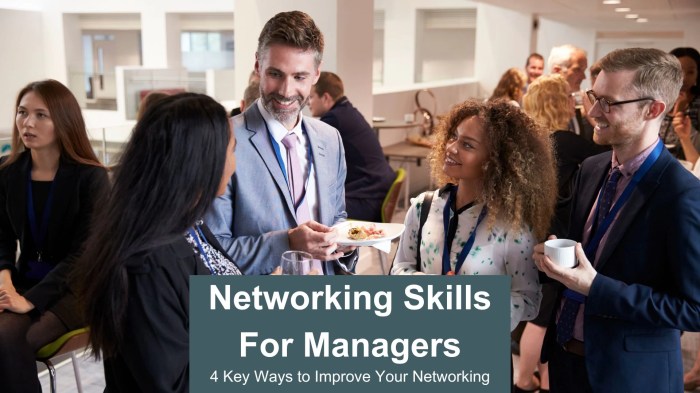
The success of your networking efforts doesn’t end when the event concludes. Following up promptly and strategically is crucial for transforming fleeting encounters into meaningful professional relationships. A timely and personalized approach significantly increases your chances of establishing lasting connections and reaping the benefits of your networking investment.
Following up after a networking event is about more than just sending a generic email; it’s about nurturing the connections you’ve made and demonstrating genuine interest in building lasting professional relationships. This process strengthens your professional network, potentially leading to collaborations, mentorship opportunities, and future career advancements. Ignoring this crucial step can mean missed opportunities to leverage the time and effort you invested in attending the event.
Personalized Follow-Up Communication
Effective follow-up communication involves sending personalized messages tailored to each individual you met. Generic emails are easily disregarded, while a personalized message shows you took the time to remember specific details of your conversation. This demonstrates genuine interest and increases the likelihood of a positive response. For example, instead of a generic “It was nice meeting you at the event,” consider referencing a specific discussion point: “It was a pleasure meeting you at the [Event Name] yesterday. I particularly enjoyed our conversation about [Specific Topic], and I’d be interested in learning more about your work on [Project/Area].” Another example could be: “Following up on our conversation at the [Event Name] about [Specific Topic], I came across this article [Link to Article] which I thought you might find relevant.”
Strategies for Building Long-Term Relationships
Building long-term relationships requires consistent effort and genuine engagement. It’s not enough to simply exchange contact information; you need to actively cultivate those connections. One effective strategy is to share relevant articles, industry news, or job opportunities that might interest your new contacts. This shows you’re thinking of them and adds value to the relationship. Participating in online discussions or groups they are part of can also strengthen your bond and keep you top-of-mind. Finally, consider arranging informal follow-up meetings, either virtual or in-person, to continue the conversation and explore potential collaborations. Remember that consistency is key; regular, meaningful interactions are far more effective than sporadic bursts of contact.
Methods for Staying in Touch
Maintaining consistent contact is essential for nurturing professional relationships. Here are three effective methods:
- Regular Email Communication: Send occasional emails sharing relevant articles, industry news, or invitations to relevant events. Avoid excessive or overly promotional emails; focus on providing value and maintaining a professional tone.
- LinkedIn Engagement: Connect with your new contacts on LinkedIn and engage with their posts and updates. This shows you’re actively following their work and demonstrates genuine interest.
- Occasional Personalized Messages: Send a brief, personalized message on special occasions like birthdays or work anniversaries. This shows you remember them and value the connection.
Concluding Remarks

Successfully navigating networking events requires a strategic approach that blends preparation, effective communication, and genuine engagement. By implementing the strategies Artikeld—from pre-event research to thoughtful follow-up—you can transform these events into powerful platforms for building lasting professional relationships. Remember, networking is an ongoing process; cultivate your connections, and watch your network grow and evolve over time. The effort invested in building strong professional relationships will yield significant returns in the long run.