Creating a harmonious home environment where both pets and humans thrive requires thoughtful planning. This guide explores six key strategies to optimize your living space, ensuring safety, comfort, and cleanliness for your furry, feathered, or scaled companions. From pet-proofing essentials to enriching their daily lives, we’ll cover practical steps to create a truly happy home for everyone.
We’ll delve into creating safe spaces, enhancing comfort and enrichment through tailored activities and environments, and maintaining a clean and healthy living area for both you and your pets. By following these guidelines, you can transform your home into a haven where both you and your beloved animals can flourish.
Pet-Proofing Your Home
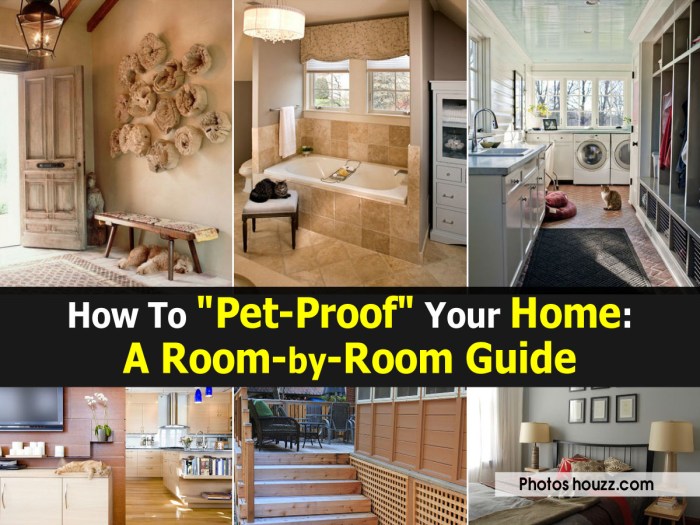
Creating a safe and comfortable environment for your pet is crucial for their well-being and happiness. Pet-proofing involves identifying and eliminating potential hazards within your home to prevent accidents and injuries. This proactive approach ensures a harmonious co-existence between you and your furry, feathered, or scaled companions.
Household Hazards and Preventative Measures
Understanding common household hazards specific to different pet types is the first step towards a safer home. The following table Artikels some key dangers and practical prevention strategies.
| Hazard | Pet Type | Prevention Method | Additional Notes |
|---|---|---|---|
| Toxic Cleaning Products | Dogs, Cats, Birds, Small Mammals | Store all cleaning supplies in securely locked cabinets or high, inaccessible areas. Use pet-friendly cleaning products when possible. | Always thoroughly rinse surfaces after cleaning. Consider using natural cleaning alternatives like vinegar and water. |
| Medications | Dogs, Cats, Birds, Small Mammals | Keep all medications, including over-the-counter drugs, in childproof, locked containers, well out of reach of pets. | Even small amounts of certain medications can be extremely toxic to pets. Dispose of unused medications properly. |
| Electrical Cords | Dogs, Cats, Kittens | Cover or conceal electrical cords using cord protectors or by running them along walls or under furniture. | Chewing on electrical cords can lead to electric shock or burns. Regularly inspect cords for damage. |
| Toxic Plants | Cats, Dogs, Birds | Identify and remove toxic plants from your home. Research which plants are safe for pets. | Lilies are particularly toxic to cats. Many common houseplants can cause gastrointestinal upset or more serious problems. |
| Small Objects | Dogs, Cats, Birds, Small Mammals | Keep small objects like buttons, coins, and toys out of reach. Regularly check for and remove potential choking hazards. | These items can be easily swallowed and cause intestinal blockages. |
| Sharp Objects | All Pet Types | Secure sharp objects like broken glass, needles, and knives in safe containers or out of reach. | Proper disposal of sharp objects is essential to prevent injuries. |
Designing a Safe Home Layout
A well-planned home layout can significantly reduce the risk of accidents. Imagine a typical home with a living room, kitchen, bedrooms, and a hallway. The living room could be a designated “safe zone” for all pets, with furniture arranged to avoid obstructing pathways. The kitchen, being a high-traffic area with potential hazards, should have restricted access. Bedrooms could be designated safe spaces for individual pets, with secure storage for pet-specific items. The hallway should be kept clear of obstacles to allow for easy movement. Each area should be assessed for potential hazards and modifications made to ensure a safe environment. For example, elevated feeding stations for cats, secure storage for dog toys in the living room, and pet gates to restrict access to hazardous areas.
Secure Storage for Hazardous Materials
Secure storage is paramount for preventing accidental ingestion of potentially harmful substances. Cleaning supplies should be kept in locked cabinets, preferably high up and out of reach. Medications should be stored in childproof containers, well out of reach and ideally in a separate locked cabinet. Similarly, toxic substances like pesticides or fertilizers should be stored securely, preferably in an external shed or garage. Consider using safety latches on cabinets and drawers, as well as wall-mounted storage units to keep hazardous items safely away from curious pets.
Enhancing Comfort and Enrichment

Creating a comfortable and stimulating environment for your pet is crucial for their overall well-being and happiness. A happy pet contributes significantly to a happy home, reducing stress and increasing the joy shared between you and your furry, feathered, or scaled companion. This section focuses on practical strategies to enhance your pet’s comfort and provide enriching activities that cater to their individual needs.
Providing comfortable resting spaces is paramount. Consider your pet’s breed, age, and size when choosing bedding and furniture. Older or arthritic pets, for example, may benefit from softer, more supportive beds, while younger, more energetic pets might prefer durable, chew-resistant options.
Comfortable Resting Areas for Pets
The right resting area significantly impacts your pet’s comfort and sleep quality. Choosing appropriate bedding, furniture, and location is key to creating a haven for your animal companion. Different pets have different needs; a large dog will require a significantly larger bed than a small cat.
- Bedding: For dogs, consider orthopedic beds for older animals, durable chew-resistant options for puppies, and cooling mats for breeds prone to overheating. For cats, cat beds in various textures and styles (e.g., enclosed beds, plush beds, or simple mats) are readily available. Small animals like rabbits or guinea pigs need bedding that provides warmth and comfort, avoiding materials they could ingest. Birds need safe and secure perches and nesting materials.
- Furniture: Dog beds can range from simple mats to elaborate raised beds. Cats may enjoy window perches for sunbathing, cat trees for climbing, or soft cushions strategically placed around the house. Small animals may benefit from enclosed hutches or hidey-holes within their cages. Reptiles may require specific heating rocks or lamps in addition to a comfortable substrate.
- Locations: Choose quiet, draft-free areas away from high-traffic zones. Consider your pet’s preferences – some pets prefer sunny spots, while others prefer cooler, darker areas. Ensure the location is easily accessible for your pet and provides a sense of security.
Enrichment Activities for Pets
Enrichment activities are vital for preventing boredom and promoting physical and mental stimulation. The type of enrichment should align with your pet’s species, breed, age, and personality. A playful puppy will require different enrichment than a senior dog.
- Toys: Provide a variety of toys – chew toys, fetch toys, puzzle toys, and interactive toys. Rotate toys regularly to maintain interest. Consider toys made from durable, non-toxic materials.
- Puzzles: Puzzle feeders challenge pets mentally and physically, encouraging them to work for their food. This can be especially beneficial for pets prone to anxiety or obesity.
- Scratching Posts: Essential for cats to maintain their claws and prevent scratching furniture. Choose posts of varying heights and textures.
Sample Daily Schedule for a Typical Pet
A balanced daily schedule incorporating playtime, feeding, and rest periods is crucial for maintaining a happy and healthy pet. This example is for a dog, but the principles apply to other pets, with adjustments for their specific needs.
| Time | Activity |
|---|---|
| 7:00 AM | Feeding, short walk/potty break |
| 8:00 AM – 5:00 PM | Rest/independent play (with toys available) |
| 5:00 PM | Interactive playtime (fetch, tug-of-war) |
| 6:00 PM | Feeding |
| 7:00 PM | Relaxation/cuddle time |
| 9:00 PM | Potty break, bedtime |
Maintaining Cleanliness and Hygiene
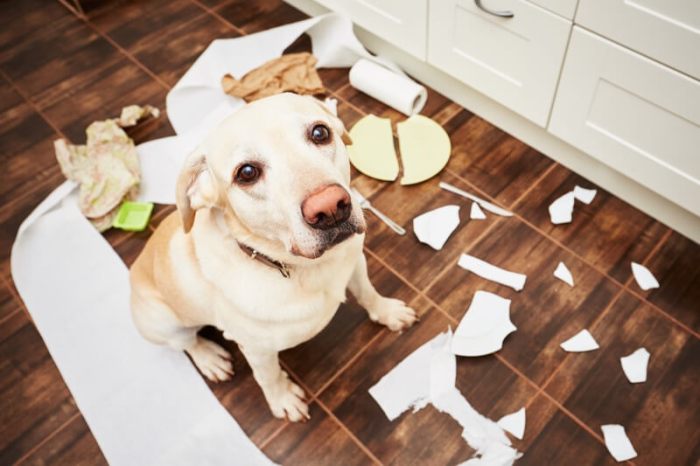
A clean and hygienic home is crucial for the well-being of both pets and their human companions. Regular cleaning and sanitation not only eliminate unpleasant odors but also significantly reduce the risk of illness and allergic reactions. Maintaining a clean environment contributes to a happier, healthier home for everyone.
Floor Cleaning
Maintaining clean floors is paramount in a pet-owning household. Pet hair, dander, dirt, and spills accumulate quickly, potentially creating a breeding ground for bacteria and allergens. Regular sweeping, vacuuming, and mopping are essential. For hard floors, a simple solution of warm water and a pet-safe cleaning product is usually sufficient. For carpeted areas, regular vacuuming, ideally with a HEPA filter vacuum to capture pet dander, is vital. Consider steam cleaning carpets periodically for a deeper clean. Remember to always rinse floors thoroughly after cleaning to avoid residue that could irritate your pet’s paws.
Furniture Cleaning
Pet hair and dander readily accumulate on furniture, especially upholstered pieces. Regular vacuuming with upholstery attachments is recommended. For spot cleaning, use pet-safe upholstery cleaners, following the manufacturer’s instructions carefully. Consider using pet-friendly fabric protectors to make cleaning easier and prevent stains. Regularly inspect and clean any pet beds or blankets placed on furniture. This prevents the build-up of allergens and unpleasant odors, ensuring a comfortable and clean environment for both pets and people.
Pet Bedding Cleaning
Pet bedding is a major source of allergens and bacteria. Regular washing of pet beds, blankets, and toys is crucial. Wash pet bedding weekly, or more frequently if needed, in hot water using a pet-safe detergent. Ensure the bedding is thoroughly dried before returning it to the pet’s sleeping area to prevent the growth of mold and mildew. Consider using hypoallergenic detergents to minimize the risk of allergic reactions. Regularly inspect and replace worn or damaged bedding to maintain hygiene and prevent the accumulation of allergens.
Minimizing Pet Allergens
Pet allergens, primarily dander (dead skin cells), saliva, and urine, can trigger allergic reactions in sensitive individuals. Effective allergen control involves a multi-pronged approach:
- Regular Cleaning: Frequent vacuuming and mopping, as described above, are crucial. Use a vacuum cleaner with a HEPA filter to effectively remove microscopic allergens from the air and surfaces.
- Air Filtration: Using air purifiers with HEPA filters can help remove pet dander and other allergens from the air. Consider placing air purifiers in areas where pets spend the most time.
- Specialized Cleaning Products: Employ pet-safe cleaning products designed to eliminate pet odors and allergens. Avoid harsh chemicals that could harm your pets or trigger allergic reactions in humans.
- Bathing Pets Regularly: Regular bathing helps reduce the amount of dander shed by your pet.
- Designated Pet Areas: Restricting pets to specific areas of the house can help contain allergens and simplify cleaning.
Creating a Pet-Friendly Cleaning Schedule
A consistent cleaning schedule minimizes disruption to your pet and ensures a consistently clean environment. The frequency of cleaning will depend on the number and type of pets, as well as their shedding habits and activity levels. A sample schedule might include:
- Daily: Spot cleaning spills, wiping down counters, and sweeping high-traffic areas.
- Weekly: Vacuuming carpets and upholstery, mopping hard floors, cleaning pet bedding.
- Monthly: Deep cleaning carpets and upholstery, cleaning pet toys, washing curtains and drapes.
Remember to adapt this schedule to your specific needs and circumstances. Consider incorporating cleaning tasks into your existing routine to make it less overwhelming. Involve your pets in the process by making cleaning time a positive experience, such as offering treats or playing with them during breaks.
Ultimate Conclusion

By implementing these six ideas, you can significantly improve the well-being of your pets and create a more harmonious living environment for your entire household. Remember, a happy pet contributes to a happy home. Prioritizing safety, comfort, and cleanliness will not only benefit your animals but also enhance your own quality of life. Embrace these strategies, and enjoy the rewards of a truly pet-friendly home.