Mastering the art of small talk can significantly enhance your social interactions and professional networking. This guide provides a practical framework for optimizing your conversations, focusing on three key questions that unlock engaging discussions and build rapport. We’ll explore techniques for initiating conversations, actively listening, and gracefully concluding interactions, transforming seemingly mundane exchanges into meaningful connections.
From crafting compelling conversation starters tailored to different contexts to employing active listening strategies and understanding the nuances of body language, this guide equips you with the tools to navigate social situations with confidence and ease. Learn how to effortlessly transition between conversations and leave a positive lasting impression, regardless of the setting.
Identifying Engaging Conversation Starters
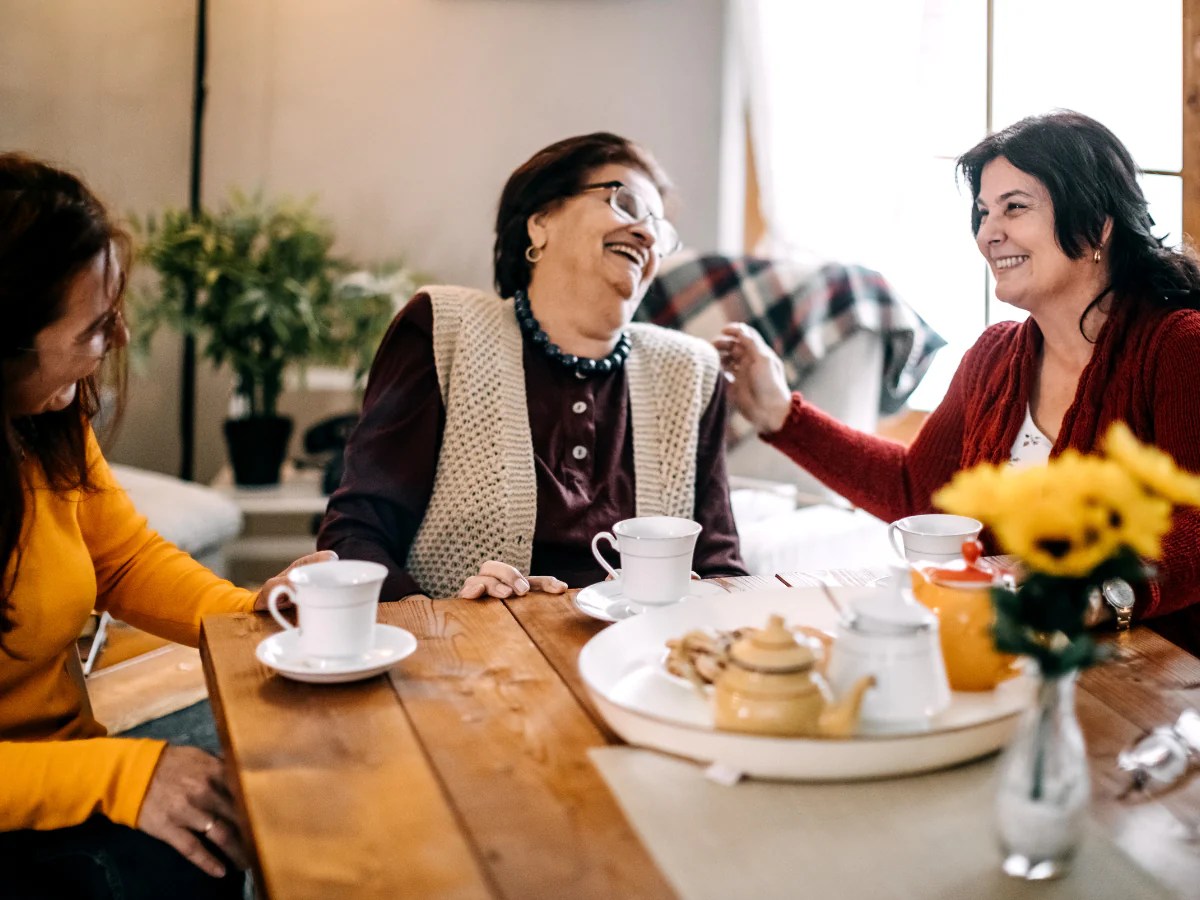
Mastering small talk hinges on initiating conversations effectively. The key lies in choosing conversation starters that are open-ended, encouraging further discussion, and tailored to the specific context and individual. Avoid closed-ended questions that elicit simple “yes” or “no” responses; instead, opt for prompts that invite elaboration and reveal more about the other person.
Selecting the right conversation starter is crucial for building rapport and fostering meaningful connections. The following examples illustrate how to craft engaging prompts that lead to natural, flowing conversations.
Open-Ended Conversation Starters for Diverse Social Situations
These examples are designed to be adaptable to various social settings, from casual gatherings to more formal events. They encourage the other person to share their thoughts and experiences without feeling pressured to give specific answers.
- “What’s been keeping you busy lately?” This is a broad question that allows for a wide range of responses, from work projects to hobbies or personal endeavors.
- “What’s something interesting you’ve learned or experienced recently?” This encourages the sharing of recent experiences and insights, potentially leading to deeper conversation.
- “If you could have any superpower, what would it be and why?” This playful opener is suitable for less formal settings and sparks imaginative responses, revealing aspects of the person’s personality and aspirations.
Conversation Starters to Elicit Personal Anecdotes
Encouraging personal anecdotes is a powerful way to build connection. These prompts invite the other person to share their experiences, fostering a sense of intimacy and understanding.
- “Tell me about a time you…” (followed by a specific scenario, like “overcame a challenge,” “traveled somewhere amazing,” or “learned a valuable lesson”). This offers a clear direction for storytelling.
- “What’s your favorite memory from…?” (followed by a relevant context, like “childhood,” “a past vacation,” or “a specific event”). This focuses the narrative on a positive experience.
- “I’ve always wondered… (followed by a question related to their profession, hobby, or interest). This shows genuine curiosity and invites them to share expertise or passion.
- “What’s the most interesting thing that’s happened to you this week/month?” This is a straightforward invitation to share recent experiences.
- “What’s a skill you’re proud of having learned?” This focuses on accomplishment and personal growth, leading to potentially insightful conversation.
Adapting Conversation Starters Based on Context and Individual
The effectiveness of a conversation starter relies heavily on adapting it to the situation and the person you are addressing. Consider the environment, the relationship you have (or hope to have) with the person, and their apparent personality and interests.
| Context | Example Starter | Adaptation Strategy |
|---|---|---|
| Networking Event | “What aspects of your work are you most passionate about?” | Focus on professional achievements and interests. Keep it concise and relevant to the event’s purpose. |
| Casual Party | “What’s your favorite thing about this event so far?” | Keep it light and informal. Reflect the overall atmosphere of the party. |
| First Date | “What’s a place you’ve always dreamed of traveling to?” | Choose a topic that encourages sharing personal aspirations and values, revealing compatibility. |
Active Listening and Responding Techniques
Effective small talk hinges on more than just initiating a conversation; it requires genuine engagement and thoughtful responses. Mastering active listening and employing appropriate responding techniques are crucial for building rapport and making a positive impression. These skills allow you to connect with others on a deeper level, fostering more meaningful interactions, even within the brief confines of small talk.
Active listening goes beyond simply hearing words; it involves fully concentrating on the speaker, understanding their message, responding thoughtfully, and remembering what was said. This attentive approach signals respect and encourages the speaker to share more, transforming a fleeting encounter into a potentially valuable connection.
Active Listening Techniques
Demonstrating genuine interest during small talk requires more than just nodding your head. Employing specific active listening techniques will significantly improve your conversational skills. These techniques show the speaker that you value their contribution and are truly engaged in the conversation.
- Maintaining Eye Contact: Consistent, yet natural, eye contact shows attentiveness and respect. Avoid staring intensely, but aim for a comfortable level of visual engagement that conveys your interest in what the other person is saying.
- Using Nonverbal Cues: Subtle nonverbal cues such as nodding, leaning slightly forward, and mirroring the speaker’s posture (without being overly imitative) demonstrate engagement and understanding. These nonverbal signals convey your attentiveness even before you verbally respond.
- Asking Clarifying Questions: Instead of interrupting, wait for natural pauses to ask brief, clarifying questions. This shows that you’re following along and encourages the speaker to elaborate, deepening your understanding and the conversation itself. For example, if someone mentions a recent trip, you might ask, “Oh, where did you go?” or “What was your favorite part?”
Mirroring and Matching Techniques
Mirroring and matching involve subtly adapting your body language and communication style to match that of the person you’re speaking with. This subconscious mirroring creates a sense of familiarity and comfort, fostering rapport and trust. It’s important to be subtle; overt imitation can come across as insincere or even mocking.
Mirroring can include subtly adjusting your posture to match theirs, mirroring their pace of speech, or even adopting a similar tone of voice. Matching involves aligning your communication style – for example, if they’re using casual language, you should too; if they’re using formal language, maintain that level of formality. The key is to be natural and genuine; forced mirroring will be easily detected and will likely have the opposite effect.
Responding Thoughtfully: A Flowchart
A thoughtful response goes beyond a simple “yes” or “no.” It demonstrates understanding and encourages further conversation. The following flowchart Artikels the steps involved:
[Imagine a flowchart here. The flowchart would begin with a box labeled “Speaker Makes a Statement.” This would lead to a diamond-shaped decision box: “Do you understand the statement?” A “Yes” branch would lead to a box: “Summarize/Paraphrase/Ask Clarifying Question.” A “No” branch would lead to a box: “Ask Clarifying Question.” From the “Summarize/Paraphrase/Ask Clarifying Question” box, an arrow would lead to a box: “Respond Thoughtfully.” From the “Ask Clarifying Question” box, an arrow would also lead to the “Respond Thoughtfully” box. Finally, the “Respond Thoughtfully” box would have an arrow looping back to the “Speaker Makes a Statement” box, indicating the cyclical nature of conversation.]
Comparing Responding Techniques
Different responding techniques serve various purposes. Choosing the right technique enhances the flow and depth of the conversation.
| Responding Technique | Description | Example | Strengths | Weaknesses |
|---|---|---|---|---|
| Summarizing | Condensing the speaker’s main points into a brief overview. | “So, it sounds like your trip to Italy was filled with amazing food and historical sights.” | Shows understanding, keeps conversation moving. | May oversimplify complex information. |
| Paraphrasing | Restating the speaker’s message in your own words. | “If I understand correctly, you’re saying that the traffic was terrible this morning.” | Clarifies understanding, shows engagement. | Can be time-consuming if not concise. |
| Asking Clarifying Questions | Seeking additional information to enhance understanding. | “Can you tell me more about that?” or “What did you mean by…?” | Deepens understanding, encourages elaboration. | Can interrupt the flow if overused. |
Gracefully Exiting a Conversation

Knowing when and how to gracefully end a conversation is a crucial social skill. It allows you to manage your time effectively, avoid awkwardness, and maintain positive relationships. Successfully disengaging from a conversation requires a blend of polite phrasing, appropriate body language, and mindful awareness of the social context.
Successfully navigating the end of a conversation involves a combination of verbal and nonverbal cues. It’s about signaling your departure politely and respectfully, without abruptly cutting the other person off or leaving them feeling dismissed. This section will explore effective strategies for achieving a smooth exit from various conversational situations.
Three Polite and Effective Ways to End a Conversation
There are several ways to gracefully disengage from a conversation. The best approach depends on the context and your relationship with the other person. Three effective strategies include offering a polite excuse, transitioning to another topic or person, and summarizing the conversation.
Offering a polite excuse is a classic and generally well-received method. It acknowledges the other person’s time and offers a reason for your departure. Transitioning the conversation to another person or topic provides a natural segue, shifting the focus away from you. Summarizing the conversation allows you to reiterate key points and create a sense of closure before departing.
Examples of Phrases for Transitioning
Using appropriate phrases can ease the transition out of a conversation. Here are some examples:
Phrases that offer a polite excuse:
- “It was lovely chatting with you, but I need to catch up with someone else.”
- “I’ve really enjoyed this conversation, but I need to head to [location/activity].”
- “This has been great, but I need to grab something to eat/drink.”
Phrases that transition to another topic or person:
- “Excuse me, I see [person’s name] over there and wanted to say hello.”
- “That reminds me of something I wanted to ask [person’s name].”
- “This has been a great conversation, I’m going to go check on [task/situation].”
The Importance of Body Language in Signaling the End of a Conversation
Body language plays a significant role in signaling your intention to end a conversation. Subtle shifts in posture and movement can convey your desire to disengage without being overtly rude. It’s crucial to use these cues in conjunction with verbal cues for a seamless transition.
Appropriate body language cues include:
- Turning your body slightly away: This subtly indicates a shift in focus.
- Making less eye contact: Reduced eye contact signals a desire to disengage.
- Using open palms: This conveys openness and respect, while still indicating your desire to conclude the conversation.
- Shifting your weight: A subtle shift in weight can suggest that you’re preparing to move on.
- Checking your watch or phone (subtly): This provides a non-verbal hint that you need to leave soon.
Five Scenarios Where Ending a Conversation Smoothly is Crucial
Successfully navigating conversation endings is crucial in a variety of social situations.
Here are five scenarios and suitable responses:
- Scenario: A lengthy, one-sided conversation at a networking event.
- Response: “It’s been great learning about your work, but I need to circulate and meet some other people. It was a pleasure talking with you!”
- Scenario: A conversation with a colleague who is overly negative.
- Response: “I appreciate you sharing that. I need to get back to work now, but I’ll catch you later.”
- Scenario: A conversation with a friend who’s monopolizing your time at a party.
- Response: “This has been fun catching up, but I see [friend’s name] over there and want to say hi. I’ll talk to you later!”
- Scenario: A conversation that’s becoming increasingly uncomfortable or inappropriate.
- Response: “Excuse me, I need to step away for a moment.” (Then politely excuse yourself and don’t return to the conversation.)
- Scenario: A conversation with someone who is dominating the conversation at a formal dinner.
- Response: “It’s been fascinating hearing your perspective, but I’d like to hear what [other person’s name] thinks about this as well.” (Then politely direct the conversation to another person at the table.)
Closing Notes
By implementing the strategies Artikeld in this guide – crafting engaging conversation starters, practicing active listening, and mastering graceful exits – you can transform your small talk from a dreaded chore into a valuable skill. The ability to connect meaningfully with others, whether in professional or personal settings, opens doors to new opportunities and strengthens existing relationships. Remember, the key to successful small talk lies not just in what you say, but how you listen and interact.