Transform your garden from a seasonal spectacle into a year-round haven with these eight essential tips. This guide provides a comprehensive approach to garden optimization, covering everything from spring preparation and summer maintenance to autumn cleanup and winter protection. Learn how to cultivate vibrant blooms, maximize yields, and ensure your garden thrives through every season, regardless of climate or growing conditions.
We’ll explore practical strategies for soil improvement, efficient watering techniques, pest control, and plant selection tailored to each season’s unique demands. By following these simple yet effective methods, you can achieve a flourishing garden that brings beauty and bounty throughout the year.
Spring Gardening Preparations
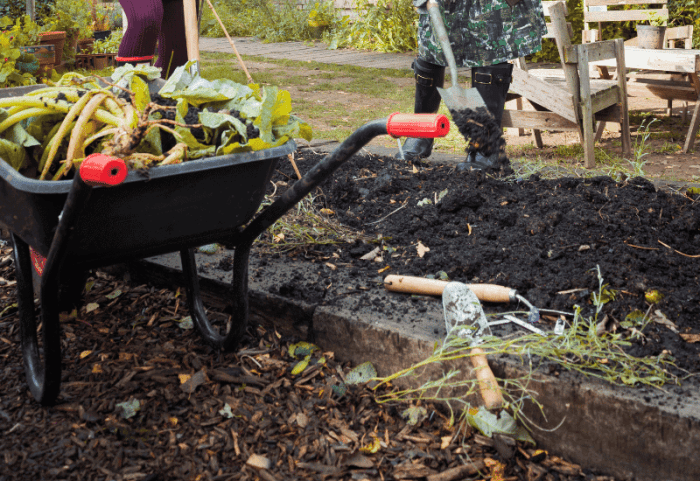
Spring is the time for renewal and growth in the garden, a period of intense activity to set the stage for a bountiful harvest. Proper preparation now will significantly impact the health and yield of your plants throughout the growing season. This section details crucial steps to optimize your garden for spring success.
Soil Preparation
Preparing the soil is the cornerstone of a successful spring garden. This involves improving its structure, drainage, and nutrient content. A critical step is amending the soil with compost, which improves soil aeration, water retention, and provides essential nutrients. Different types of compost offer varying benefits.
| Compost Type | Benefits | Nutrient Content | Suitable for |
|---|---|---|---|
| Leaf Mold | Excellent for improving soil structure, drainage, and water retention. Adds organic matter. | Low in nutrients | Most plants, especially those that prefer slightly acidic soil. |
| Mushroom Compost | Rich in nutrients, improves soil structure and drainage. | High in nitrogen and other essential nutrients. | Heavy feeders like tomatoes, peppers, and leafy greens. |
| Manure Compost | Adds significant nutrients and improves soil fertility. | High in nitrogen, phosphorus, and potassium. | Most vegetables and flowers, but use caution with fresh manure. |
| Vermicompost | Nutrient-rich, improves soil structure and water retention. Excellent for seedlings. | High in micronutrients and beneficial microorganisms. | Seedlings, delicate plants, and container gardening. |
Following compost addition, incorporating a balanced fertilizer tailored to your specific plants is recommended. A soil test can help determine the precise nutrient needs of your garden.
Spring Planting Schedule
A well-planned planting schedule maximizes the growing season. Consider your local frost dates and the optimal growth times for each plant.
The following is a sample schedule, remember to adjust based on your specific region and microclimate:
- Early Spring (after last frost): Plant cool-season crops like lettuce, spinach, peas, and radishes. Start seeds indoors for tomatoes, peppers, and eggplant for transplanting later.
- Mid-Spring: Transplant tomato, pepper, and eggplant seedlings outdoors. Plant warm-season crops like beans, squash, and zucchini.
- Late Spring: Plant heat-loving crops like corn and melons. Continue succession planting of cool-season crops for a continuous harvest.
Starting Seeds Indoors and Transplanting Seedlings
Starting seeds indoors allows for an earlier harvest. Use seed-starting mix, not garden soil, and provide adequate light and warmth. Hardening off seedlings gradually acclimates them to outdoor conditions before transplanting. This involves slowly exposing them to more sunlight and wind over several days. Proper spacing during planting is essential; overcrowded plants compete for resources, resulting in stunted growth.
A Healthy Spring Garden
A thriving spring garden is a vibrant spectacle of color and texture. The soil is dark and crumbly, rich with organic matter. Seedlings emerge strong and healthy, their leaves unfurled in shades of green, red, or purple. Flowers burst forth in a kaleidoscope of hues, their petals delicate yet resilient. The overall impression is one of lush growth, a testament to careful preparation and nurturing. The air is filled with the sweet scent of blossoms and the promise of a bountiful harvest.
Summer Garden Maintenance
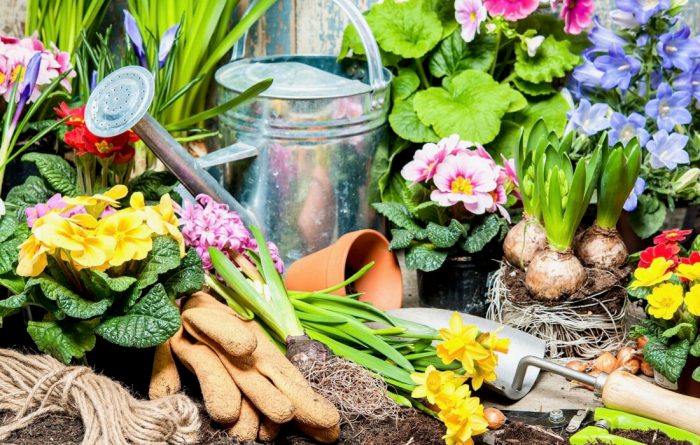
Summer is the peak growing season, demanding diligent care to maximize your garden’s yield. Proper watering, pest control, plant support, and timely harvesting are crucial for a bountiful harvest. This section details effective strategies to ensure your summer garden thrives.
Efficient Summer Watering Techniques
Efficient watering is vital during hot summer months to prevent wilting and stress on plants. Drip irrigation systems deliver water directly to the roots, minimizing evaporation and water waste compared to overhead watering. Mulching, the application of organic material around plants, helps retain soil moisture, suppress weeds, and regulate soil temperature. Effective mulching materials include straw, wood chips, shredded bark, and composted leaves. Straw provides excellent moisture retention and weed suppression, while wood chips offer long-lasting mulch with good drainage. The choice of mulch depends on your soil type and available resources. Remember to water deeply and less frequently to encourage deep root growth.
Summer Pest and Disease Control
Summer heat and humidity can encourage pest and disease outbreaks. Organic and natural solutions are often preferred to minimize environmental impact. Common garden pests include aphids, spider mites, slugs, and caterpillars. Aphids can be controlled by spraying with insecticidal soap or introducing ladybugs, which are natural predators. Spider mites can be addressed with neem oil. For slugs and snails, beer traps or diatomaceous earth can be effective. Caterpillars can be managed by handpicking or using Bacillus thuringiensis (Bt), a naturally occurring bacterium. Regular monitoring and early intervention are key to preventing widespread infestations. Maintaining good air circulation around plants can also help reduce disease incidence.
Pruning and Plant Support
Pruning encourages healthy growth and improves air circulation, reducing disease risk. Taller vegetables, such as tomatoes and peppers, often require staking or caging for support. Tomatoes benefit from sturdy stakes driven deep into the ground, with the plants tied loosely to prevent breakage. Peppers may benefit from cages to support their growth and prevent them from falling over. Flowering plants may require similar support structures depending on their height and weight. Proper plant spacing is essential to allow for adequate air circulation and sunlight penetration. Overcrowding can lead to increased disease and pest problems. Consult plant labels for recommended spacing guidelines. A visual representation of a tomato plant supported by a stake would show the plant growing upright and securely tied to the stake at intervals. A pepper plant within a cage would illustrate the plant evenly distributed within the cage’s structure.
Summer Harvesting Schedule
Summer harvests vary based on planting times and plant varieties. Optimal picking times and storage methods extend the enjoyment of your garden’s bounty.
| Vegetable/Fruit | Optimal Picking Time | Storage Method | Notes |
|---|---|---|---|
| Tomatoes | When fully colored and slightly soft | Room temperature for immediate use; refrigerate ripe tomatoes for a few days | Avoid storing green tomatoes, as they will not ripen properly. |
| Cucumbers | When firm and dark green | Refrigerate for up to a week | Harvest regularly to encourage continued production. |
| Zucchini | When young and tender (6-8 inches long) | Refrigerate for a few days | Harvest frequently to prevent overgrowth. |
| Beans (green) | When pods are plump and firm | Refrigerate for up to a week | Harvest regularly for best quality. |
Autumn Garden Clean-up and Preparation for Winter
Autumn is a crucial time for preparing your garden for the harsh winter months ahead. Proper clean-up and preparation will ensure your plants’ survival and set the stage for a bountiful spring. This involves removing spent plants, clearing debris, and taking steps to protect vulnerable plants from frost and cold damage. By following these steps, you’ll significantly increase your garden’s resilience.
Autumn Garden Clean-up
A thorough autumn clean-up is essential for preventing disease and pest infestations over winter. Removing dead and decaying plant matter prevents the buildup of pathogens and provides less shelter for overwintering pests. This process also improves air circulation and sunlight penetration, contributing to healthier soil.
- Remove all dead and diseased plants. Dispose of them properly; do not compost diseased plants.
- Clear away fallen leaves, weeds, and other debris. This prevents them from smothering plants and creating damp conditions that encourage fungal growth.
- Collect all organic matter, such as healthy plant stems, leaves (free of disease), and grass clippings. These materials form the basis for your compost pile.
- Turn your compost pile regularly to ensure proper decomposition. A well-maintained compost pile will provide nutrient-rich soil amendment for the following season.
Planting Fall Vegetables and Flowers
Even as temperatures drop, there’s still ample opportunity for planting. Many cool-season vegetables and flowers thrive in the cooler autumn temperatures. Choosing varieties that mature quickly is key, as shorter days and cooler temperatures will limit their growing season.
- Vegetables: Spinach, kale, lettuce, radishes, turnips, and some varieties of cabbage are excellent choices for autumn planting. These crops can withstand light frosts and will provide a harvest before winter sets in.
- Flowers: Pansies, violas, snapdragons, and ornamental kale are hardy flowers that tolerate cooler temperatures and add color to your garden during the fall and even early winter.
Protecting Plants from Frost and Winter Damage
Protecting your plants from frost and winter damage is crucial for their survival. Several methods can help mitigate the risks associated with harsh winter weather.
- Mulching: Applying a layer of mulch (such as straw, shredded leaves, or wood chips) around the base of plants insulates the soil and protects roots from freezing. This helps maintain a more consistent soil temperature and prevents soil moisture loss.
- Covering: For more delicate plants, consider using row covers, cloches, or even simple blankets to provide additional protection from frost and cold winds. These coverings create a microclimate around the plants, keeping them warmer than the surrounding air.
- Choosing Winter-Hardy Varieties: Selecting plant varieties known for their hardiness ensures better chances of survival. Consult local nurseries or gardening resources to identify plants suitable for your specific climate and hardiness zone.
Preparing the Garden for Winter Dormancy
Preparing your soil for winter dormancy is essential for maintaining its health and fertility. This involves ensuring proper moisture retention and creating conditions conducive to microbial activity.
The ideal soil condition for winter dormancy is one that is moist but not waterlogged, with good drainage to prevent root rot. A layer of organic mulch helps to regulate soil moisture, preventing both drying and waterlogging. Adding compost before winter helps improve soil structure and fertility, providing a nutrient-rich base for the following spring. A soil test can provide insights into your soil’s nutrient levels, guiding any necessary amendments.
End of Discussion

By implementing these eight seasonal strategies, you’ll unlock the full potential of your garden. From the vibrant bursts of spring to the rich harvests of summer and the resilient preparations for winter, you’ll experience a continuous cycle of growth and renewal. Remember that consistent care and attention are key to a thriving garden, ensuring its beauty and productivity endure through every season. Enjoy the journey of nurturing your garden to its fullest potential!