Protecting your home and family is paramount. A secure environment isn’t about elaborate systems; it’s about proactive measures and consistent vigilance. This guide simplifies home safety optimization, focusing on five crucial checkups that can significantly reduce risks and enhance peace of mind. We’ll explore practical steps for both exterior and interior security, emergency preparedness, and the creation of a comprehensive safety plan tailored to your needs.
By systematically addressing vulnerabilities and implementing simple yet effective strategies, you can create a safer haven for yourself and your loved ones. From securing entry points to establishing clear emergency procedures, each checkup builds upon the last, forming a robust safety net for your home.
Assess Exterior Security
A secure home exterior is the first line of defense against intruders. Regular inspections and proactive measures can significantly reduce your vulnerability to theft and vandalism. By identifying and addressing weaknesses, you create a more deterrent environment and protect your property and family.
Common vulnerabilities in home exteriors include poorly lit areas, unsecured doors and windows, overgrown landscaping offering hiding places, and a lack of visible security measures. Addressing these vulnerabilities is crucial for enhancing overall home security.
Exterior Security Checklist
A comprehensive exterior security inspection should be conducted regularly, ideally every three months, or after any significant weather events. This checklist helps ensure you cover all critical areas.
- Doors: Check all exterior doors for proper locking mechanisms, damaged frames, and gaps around the doorjamb. Ensure all doors are solid core and properly fitted.
- Windows: Inspect all windows for cracks, broken panes, and easily accessible latches. Consider installing stronger locks or security film.
- Lighting: Evaluate the lighting around your property, particularly entrances, walkways, and dark corners. Ensure lights are functional and provide adequate illumination.
- Landscaping: Trim bushes and trees that provide cover for intruders. Maintain clear lines of sight to windows and doors.
- Gates and Fences: Verify that gates and fences are in good repair and securely locked. Ensure they provide a sufficient barrier.
- Security Cameras: Check camera placement, functionality, and recording quality. Ensure sufficient storage capacity.
Exterior Lighting Comparison
Proper exterior lighting is a highly effective deterrent. Different lighting types offer varying levels of effectiveness and cost. The table below compares three common options.
| Lighting Type | Effectiveness | Cost (Installation & Energy) | Maintenance |
|---|---|---|---|
| Motion-Sensor Lights | High; deters intruders by triggering sudden illumination. | Moderate; initial cost is reasonable, energy consumption is low due to activation only when needed. | Low; occasional bulb replacement. |
| Floodlights | Moderate; provides consistent illumination, but may not deter intruders as effectively as motion-sensor lights. | Moderate to High; higher initial cost than motion-sensor lights, higher energy consumption due to continuous operation. | Low; occasional bulb replacement. |
| Low-Voltage Landscape Lighting | Low; primarily for aesthetics, but can provide subtle deterrence in well-designed systems. | High; significant initial investment, relatively low energy consumption. | Moderate; requires regular bulb and fixture maintenance. |
Security Camera Installation
Strategic placement of security cameras is crucial for effective surveillance. Consider factors like blind spots, angles, and field of view to maximize coverage.
Imagine a house with three cameras. One is positioned above the front door, angled downwards to capture anyone approaching. This camera provides clear images of faces and actions. A second camera is mounted on a corner of the house, overlooking the driveway and side yard, capturing a wider view of the property’s perimeter. This camera offers a broader surveillance area, detecting any movement or suspicious activity. The third camera is placed facing the back of the house, near a back gate or window, angled to provide coverage of potential entry points. This camera ensures comprehensive monitoring of all potential access points. Each camera should be placed high enough to avoid tampering and at angles that minimize blind spots, ensuring clear, comprehensive coverage of the property.
Interior Safety Enhancements
Protecting your family within the home is just as crucial as securing the exterior. This section details simple yet effective ways to enhance your interior safety, focusing on proactive measures and preparedness. By implementing these steps, you significantly reduce the risk of accidents and improve your response capabilities in emergencies.
Smoke and Carbon Monoxide Detector Placement and Maintenance
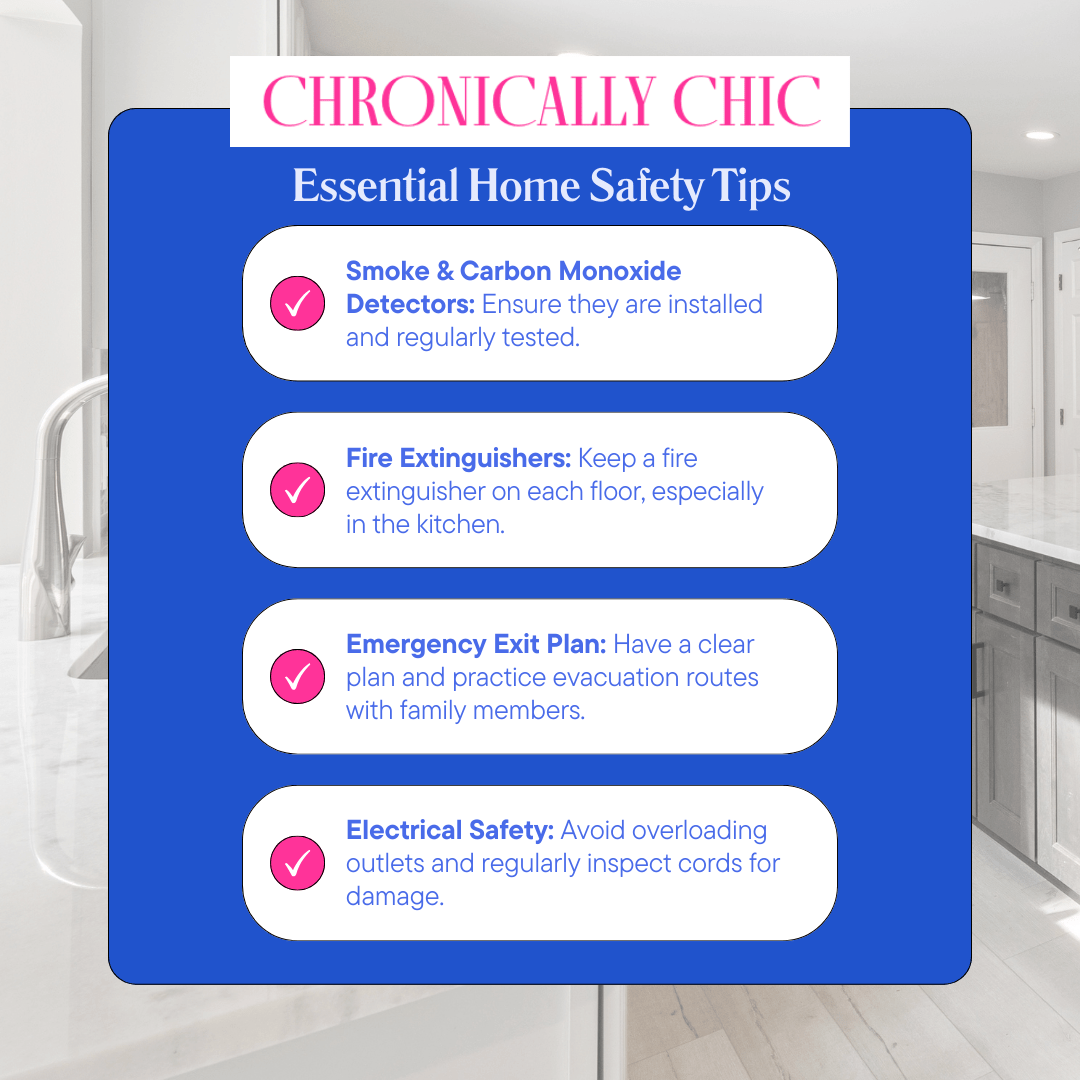
Proper placement and regular maintenance of smoke and carbon monoxide detectors are paramount for early warning and potentially life-saving intervention. Smoke detectors should be installed on every level of your home, inside each bedroom, and outside each sleeping area. Carbon monoxide detectors should be placed near sleeping areas, as carbon monoxide is odorless and deadly. It’s recommended to test all detectors monthly and replace batteries annually, or as indicated by the manufacturer’s instructions. Replacing the entire unit every 10 years is also a best practice, regardless of battery function. Regular testing ensures the detectors are functioning correctly and ready to alert you to potential dangers.
Home Escape Plan Development
Developing a comprehensive home escape plan is vital for swift evacuation in emergencies. This plan should include at least two escape routes from each room, identifying potential obstacles and escape paths. Designate a primary and secondary meeting point outside the home, a safe distance from the structure. Practice the escape plan regularly with all family members, including children and pets, to ensure familiarity and efficiency. Familiarizing everyone with the plan reduces panic and increases the chances of a successful and timely evacuation. For example, a family might choose the front yard and a neighbor’s house as their primary and secondary meeting points respectively.
Securing Valuable Items
Protecting valuable possessions adds another layer to your home security. Consider using a safe for important documents, jewelry, and other irreplaceable items. Safes should be securely bolted to the floor or wall to deter theft. Alternatively, strategically placed hidden compartments can provide additional security for smaller, less valuable items. A home security system, including motion detectors and alarms, serves as a significant deterrent and provides immediate notification in case of a break-in. Such systems can be professionally monitored for immediate response in case of emergencies.
Emergency Contact Information
Maintaining readily accessible emergency contact information is crucial during emergencies. Create a visually appealing sheet that includes emergency services (police, fire, ambulance), poison control, family members’ contact details, and the address of your home. This information should be prominently displayed near telephones or in a readily accessible location, such as a framed print near the main entrance. Consider also including the names and contact information of trusted neighbors who could assist in an emergency. This preparedness measure ensures that essential information is easily accessible to everyone in the household, even during moments of panic. An example would include a framed list with large font sizes and clearly labeled sections for ease of reading.
Emergency Preparedness and Response
Proactive emergency planning is crucial for safeguarding your home and family. A well-defined plan, coupled with a readily accessible emergency kit, significantly increases your ability to cope with unexpected events and minimize potential harm. This section details essential steps to enhance your home’s emergency preparedness.
Preparing for common home emergencies involves anticipating potential scenarios and developing strategies to address them effectively. This includes having a communication plan in place, knowing your evacuation routes, and understanding the specific risks associated with your location (e.g., flood zones, wildfire risk). Regular practice drills help familiarize family members with procedures and ensure everyone knows their roles during an emergency.
Emergency Kit Essentials
A well-stocked emergency kit is your first line of defense during a crisis. It should be easily accessible and contain sufficient supplies to sustain your household for at least 72 hours. The kit’s contents should be regularly checked and replenished to ensure items are not expired or depleted.
- Water: One gallon per person per day for at least three days.
- Food: Non-perishable items like canned goods, energy bars, and dried fruit.
- First-aid kit: Include bandages, antiseptic wipes, pain relievers, and any necessary prescription medications.
- Flashlight and extra batteries: Essential for navigating in the dark.
- Radio (battery-powered): To receive emergency broadcasts.
- Whistle: To signal for help.
- Dust mask: To protect against airborne debris.
- Moist towelettes, garbage bags, and plastic ties: For personal sanitation.
- Wrench or pliers: To turn off utilities.
- Local maps: In case electronic devices fail.
Home Security Systems
Various home security systems offer different levels of protection and monitoring. These systems range from basic alarm systems to sophisticated integrated systems with advanced features. The choice depends on your budget, security needs, and technological preferences.
- Basic Alarm Systems: These typically include door and window sensors that trigger an alarm when breached. They may offer local alarm only or connection to a central monitoring station for immediate response.
- Monitored Security Systems: These systems connect to a professional monitoring center that dispatches emergency services if an alarm is triggered. They often include additional features such as video surveillance, smoke detectors, and carbon monoxide detectors.
- Smart Home Security Systems: These systems integrate with other smart home devices, offering features like remote access, automation, and advanced analytics. They may include features such as facial recognition, smart locks, and voice control.
Cost varies significantly depending on the system’s features and monitoring options. Basic systems can be relatively inexpensive, while more comprehensive monitored systems may involve monthly fees. Some systems offer DIY installation, while others require professional installation.
Fire Extinguisher Use
Knowing how to properly use a fire extinguisher can be life-saving. Different types of extinguishers are designed for different classes of fires. Always remember the acronym PASS: Pull, Aim, Squeeze, Sweep.
- Pull: Pull the pin on the extinguisher.
- Aim: Aim the nozzle at the base of the fire.
- Squeeze: Squeeze the lever to discharge the extinguisher.
- Sweep: Sweep the nozzle from side to side to cover the fire.
Remember to evacuate the premises immediately after attempting to extinguish the fire if the fire is not contained quickly and safely. Never attempt to fight a fire that is too large or spreading rapidly. Your safety is paramount.
Last Recap
Optimizing home safety is an ongoing process, not a one-time event. Regularly reviewing and updating your security measures, emergency plans, and preparedness kit ensures your family’s safety remains a top priority. By embracing these five simple checkups, you’ll not only enhance your security but also cultivate a greater sense of control and confidence in your home environment. Remember, proactive safety measures are the foundation of a secure and peaceful home life.