Effective break-taking isn’t just about escaping work; it’s a crucial strategy for boosting productivity and well-being. Prolonged periods of focus can lead to burnout and diminished performance. This guide explores the science behind restorative breaks and presents seven practical activities designed to rejuvenate your mind and body, ultimately leading to increased efficiency and a healthier work-life balance.
We’ll delve into the physiological and psychological benefits of regular breaks, contrasting active and passive relaxation techniques. You’ll discover how to create an optimal break environment, overcome common obstacles, and integrate these strategies into your daily routine for sustainable results. The goal is to equip you with the tools to maximize your break time, transforming it from a simple pause into a powerful tool for personal and professional success.
Understanding Restorative Breaks
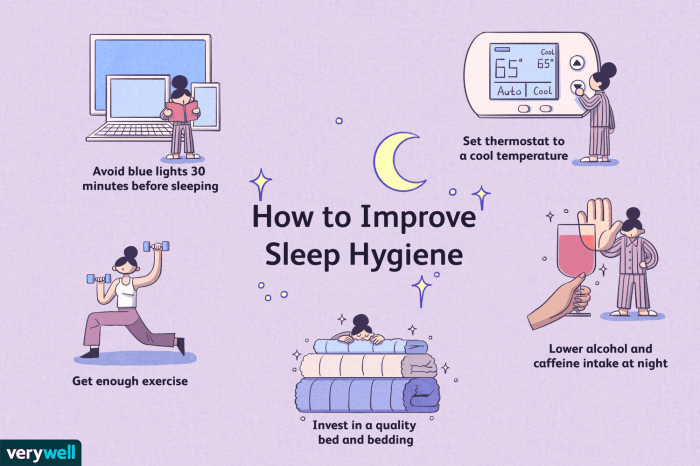
Taking regular breaks isn’t just about escaping the monotony of work; it’s a crucial strategy for enhancing productivity and overall well-being. Restorative breaks allow your body and mind to recover from the demands of focused work, ultimately leading to improved performance and reduced stress. Ignoring this fundamental need can have significant negative consequences.
Physiological and Psychological Benefits of Breaks
Regular breaks offer a multitude of physiological and psychological advantages. Physiologically, short breaks help reduce muscle tension, improve circulation, and prevent eye strain. They also contribute to better posture and reduce the risk of repetitive strain injuries. Psychologically, breaks offer opportunities to de-stress, improve mood, and enhance cognitive function. A short respite can clear mental clutter, improve focus, and boost creativity. This mental refreshment translates to increased problem-solving abilities and improved decision-making upon returning to work. The cumulative effect of these benefits leads to a more sustainable and healthier work routine.
Negative Consequences of Prolonged Work Sessions
Neglecting breaks and engaging in prolonged work sessions without respite can lead to a range of detrimental effects. Prolonged periods of intense focus can lead to mental fatigue, decreased concentration, and impaired cognitive performance. Physically, neglecting breaks increases the risk of musculoskeletal disorders, such as carpal tunnel syndrome or back pain. Furthermore, the accumulated stress from continuous work can contribute to burnout, anxiety, and even depression. Reduced productivity, increased error rates, and a general decline in job satisfaction are also common consequences. Essentially, pushing oneself relentlessly without adequate breaks undermines both physical and mental health, ultimately harming productivity and overall well-being.
Active vs. Passive Breaks
Breaks can be categorized into active and passive types, each offering distinct benefits. Passive breaks involve relaxing activities like resting, meditating, or simply closing your eyes. These breaks primarily focus on mental restoration and stress reduction. Active breaks, on the other hand, involve light physical activity such as stretching, a short walk, or a quick exercise session. These breaks not only offer mental rejuvenation but also improve physical well-being, increase energy levels, and boost circulation. The choice between active and passive breaks depends on individual needs and preferences, as well as the intensity and nature of the work. A combination of both types can be highly effective in ensuring complete restoration.
Optimal Break Duration for Various Work Intensities
The optimal break duration varies depending on the intensity and duration of the work session. A more intense work session requiring high levels of concentration will necessitate longer and more frequent breaks than a less demanding task. The following table provides guidelines for appropriate break durations:
| Work Intensity | Recommended Break Duration | Type of Break Suggested | Benefits of that Break Type |
|---|---|---|---|
| High (e.g., complex problem-solving) | 5-10 minutes every hour | Active or Passive | Reduces mental fatigue, improves focus, prevents burnout |
| Medium (e.g., data entry, writing) | 5 minutes every 30-45 minutes | Passive or short active stretch | Reduces eye strain, improves posture, prevents repetitive strain injuries |
| Low (e.g., light administrative tasks) | Short breaks (2-3 minutes) every 20-30 minutes | Micro-breaks (stretching, walking to get water) | Increases blood flow, prevents stiffness, maintains alertness |
| Very High (e.g., surgery, high-stakes negotiations) | 15-20 minutes every 2 hours, longer breaks as needed | Passive break followed by a longer active break | Reduces stress, improves cognitive function, prevents errors |
Seven Effective Break Activities for Enhanced Productivity

Taking regular breaks isn’t just about avoiding burnout; it’s a strategic tool to boost productivity and improve overall well-being. Short, focused breaks allow your mind and body to reset, returning you to your work refreshed and more effective. The key is to choose activities that actively promote relaxation and rejuvenation, rather than simply switching tasks.
Effective break activities should cater to both physical and mental needs. The following seven suggestions offer a variety of approaches, ensuring you can find the perfect fit for your preferences and circumstances. Consistent incorporation of these activities into your daily routine can significantly improve your work performance and reduce stress.
Mindful Breathing Exercises
Mindful breathing involves focusing intently on your breath, noticing its rhythm and sensation. This simple practice can significantly reduce stress hormones and improve focus. Even a few minutes of deep, conscious breathing can calm the nervous system and clear your mind, preparing you to return to work with renewed concentration. For example, try inhaling deeply through your nose, holding for a few seconds, and exhaling slowly through your mouth, repeating this cycle five to ten times. This technique can be easily practiced at your desk or in a quiet area.
Short Walks in Nature
Stepping away from your computer screen and into the natural world offers multiple benefits. Exposure to sunlight helps regulate your circadian rhythm, improving sleep and mood. The change of scenery and physical movement stimulate circulation and reduce muscle tension. A brief walk, even around the block, can provide a refreshing change of pace and clear your head. For instance, a ten-minute walk during your lunch break can significantly boost your afternoon productivity.
Stretching and Light Exercise
Physical activity improves blood flow and releases endorphins, natural mood boosters. Simple stretches or light exercises, such as desk yoga or a quick set of jumping jacks, can alleviate physical tension and improve energy levels. Focusing on areas prone to stiffness, like the neck, shoulders, and back, can significantly reduce discomfort and improve posture. For example, shoulder rolls and neck stretches can be done discreetly at your workstation, improving circulation and reducing tension.
Listening to Calming Music
Music has a powerful impact on mood and relaxation. Listening to calming music, such as classical or ambient soundscapes, can reduce stress and improve focus. The rhythmic nature of music can soothe the nervous system, promoting a sense of tranquility and well-being. For instance, listening to a short instrumental piece during your break can create a peaceful atmosphere, promoting relaxation and reducing mental fatigue.
Hydration and Healthy Snacking
Dehydration and low blood sugar can lead to fatigue and decreased concentration. Taking a break to drink water and consume a healthy snack can provide a sustained energy boost. Opt for nutrient-rich options like fruits, vegetables, or nuts, avoiding sugary treats that can lead to an energy crash. For example, a small handful of almonds or a piece of fruit can provide a sustained energy boost, improving focus and concentration.
Mindfulness Meditation
Mindfulness meditation involves focusing on the present moment without judgment. Even a short meditation session can improve focus, reduce stress, and enhance emotional regulation. Numerous apps and online resources offer guided meditations, making it easy to incorporate this practice into your daily routine. For example, a five-minute guided meditation can promote relaxation and mental clarity, improving your ability to concentrate.
Social Interaction (brief and positive)
Brief, positive social interaction can boost mood and reduce stress. A quick chat with a colleague, a phone call with a friend, or even a brief interaction with a family member can provide a much-needed emotional boost. Focus on positive conversations and avoid stressful topics. For example, a five-minute conversation about a shared hobby or a positive news item can lift your spirits and improve your overall mood.
Sample Daily Schedule Incorporating Break Activities
| Time | Activity |
|—————|—————————————|
| 10:00 AM | Mindful Breathing Exercises (5 minutes) |
| 11:30 AM | Short Walk in Nature (10 minutes) |
| 1:00 PM | Stretching and Light Exercise (5 minutes)|
| 2:30 PM | Listening to Calming Music (10 minutes)|
| 3:45 PM | Hydration and Healthy Snacking (5 minutes)|
| 4:15 PM | Mindfulness Meditation (5 minutes) |
| 5:00 PM | Social Interaction (5-10 minutes) |
Tips for Implementing Break Activities in Busy Work Environments
* Schedule breaks proactively: Treat breaks as essential appointments in your calendar.
* Create a dedicated break space: Even a small, quiet corner can provide a sanctuary.
* Prepare in advance: Have healthy snacks and calming music readily available.
* Be flexible: Adapt your break activities to your schedule and energy levels.
* Don’t feel guilty: Taking breaks is crucial for productivity and well-being.
Optimizing Your Break Time Environment and Habits
Effective breaks aren’t just about the activity; they’re significantly influenced by your environment and established habits. Creating a conducive atmosphere and developing a consistent routine are crucial for maximizing the restorative benefits of your downtime. Failing to do so can render even the most beneficial activities ineffective.
The environment in which you take your breaks plays a critical role in their effectiveness. A space free from work-related stimuli allows your mind to fully detach, promoting genuine relaxation and mental rejuvenation. Similarly, consistent, mindful break-taking habits reinforce the positive impact of these breaks on your overall well-being and productivity.
Creating a Dedicated Break Space
A dedicated break space should be distinct from your workspace, minimizing visual and auditory cues associated with work. This could be a separate room, a quiet corner in your home, or even a designated outdoor area. The key is to create a sanctuary where you can mentally disconnect from professional responsibilities. The absence of laptops, emails, and other work-related items contributes to a more effective mental reset. Consider incorporating elements that promote relaxation, such as comfortable seating, calming colors, or natural light. For example, a comfortable armchair in a sunlit room with a houseplant can significantly improve the relaxing quality of your break.
Common Obstacles to Effective Breaks and Their Solutions
Several common obstacles prevent individuals from taking truly restorative breaks. These include a feeling of guilt about taking time off, a perceived lack of time, and the difficulty of disconnecting from work. Addressing these challenges requires a conscious effort. Overcoming guilt involves reframing breaks as essential for productivity, not a luxury. Time management techniques, such as prioritizing tasks and scheduling breaks, can alleviate the feeling of time scarcity. Finally, actively disconnecting from work requires setting boundaries – turning off notifications, physically leaving your workspace, and engaging in activities unrelated to work. For instance, scheduling a specific time for emails outside of work hours can help reduce the constant pull of work-related notifications.
Mindfulness Techniques for Enhanced Break Restoration
Mindfulness practices can significantly enhance the restorative power of breaks. By focusing on the present moment, you reduce mental clutter and promote relaxation. Simple mindfulness techniques include deep breathing exercises, focusing on sensory experiences (like the feel of the sun on your skin or the sound of birdsong), or practicing body scans to become aware of physical sensations. Even a few minutes of mindful breathing can significantly reduce stress levels and improve mental clarity, making the transition back to work smoother and more productive. For example, practicing five minutes of mindful breathing before lunch can greatly reduce afternoon stress.
Establishing a Sustainable Break-Taking Routine
A sustainable break-taking routine requires planning and commitment. Follow these steps to establish a consistent practice:
- Schedule Regular Breaks: Integrate short breaks (5-10 minutes) throughout your workday and longer breaks (30 minutes or more) for lunch or other longer pauses.
- Choose Restorative Activities: Select activities that genuinely relax and rejuvenate you, avoiding activities that are mentally taxing.
- Create a Dedicated Break Space: Designate a specific area free from work-related distractions.
- Set Reminders: Use alarms or other reminders to ensure you take your scheduled breaks.
- Gradually Increase Break Duration: Start with shorter breaks and gradually increase the duration as you become more comfortable with the routine.
- Track Your Progress: Monitor how your breaks affect your energy levels and productivity.
- Be Flexible: Adjust your routine as needed to accommodate unexpected events or changes in your workload.
Final Summary
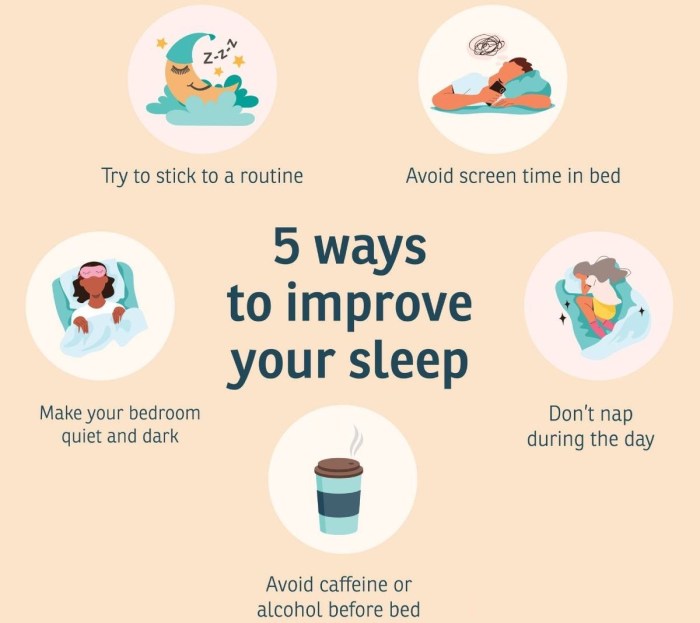
Incorporating regular, restorative breaks into your workday is not a luxury; it’s an investment in your overall well-being and productivity. By consciously choosing activities that rejuvenate your mind and body, and by establishing a consistent break-taking routine, you can significantly enhance your focus, creativity, and overall work performance. Remember, a well-rested mind is a more productive mind. Embrace these strategies, experiment with different techniques, and discover the transformative power of a truly restorative break.