Achieving ambitious goals often feels overwhelming. This guide provides a structured approach, breaking down the process into manageable steps. We’ll explore how defining SMART goals, creating actionable plans, and maintaining momentum are crucial for transforming aspirations into reality. Learn to navigate obstacles and stay motivated throughout your journey to success.
From identifying and refining your objectives to implementing effective strategies for overcoming challenges, this guide offers practical tools and techniques to optimize your goal-setting process. We will cover various methods for prioritizing tasks, managing your time effectively, and building resilience to setbacks.
Defining and Refining Your Goal
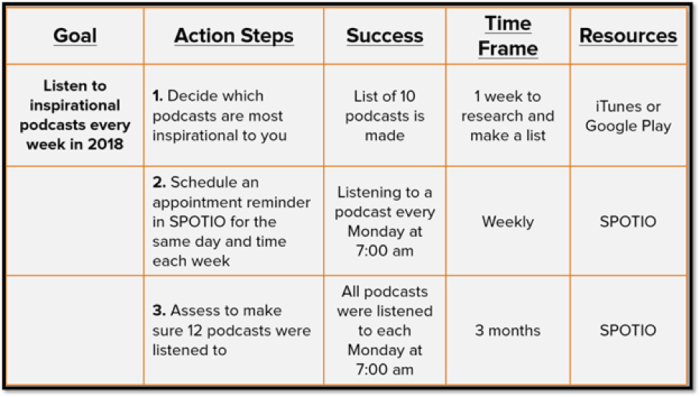
Setting clear and achievable goals is the cornerstone of success. Without a well-defined target, your efforts can become scattered and unproductive, leading to frustration and a lack of progress. This section will guide you through the process of defining and refining your goals using the SMART framework, ensuring you’re on the right track from the start.
The SMART framework – Specific, Measurable, Achievable, Relevant, and Time-bound – provides a structured approach to goal setting. Each element is crucial for ensuring your goals are not only attainable but also motivating and rewarding. Vague aspirations, on the other hand, often lack the focus needed to drive sustained effort.
The Importance of SMART Goals
Using the SMART criteria ensures clarity and focus. A specific goal leaves no room for ambiguity, making it easier to track progress and measure success. Measurable goals allow you to monitor your advancement objectively. Achievable goals are realistic, preventing discouragement and maintaining motivation. Relevant goals align with your broader objectives and values. Finally, time-bound goals provide a deadline, adding urgency and accountability. Without these elements, your goals risk becoming abstract wishes rather than actionable plans.
Examples of Poorly Defined and Improved SMART Goals
Consider these examples:
| Poorly Defined Goal | Improved SMART Goal |
|---|---|
| Get in better shape. | Lose 10 pounds by June 1st by exercising three times a week and reducing daily calorie intake by 500 calories. |
| Save more money. | Save $5,000 by December 31st by setting aside $400 per month and cutting discretionary spending by 15%. |
| Learn a new skill. | Complete a beginner’s coding course on Udemy and build a simple website by September 30th. |
Goal Definition Worksheet
This worksheet will help you apply the SMART criteria to your goals:
| Goal Statement | Specific | Measurable | Achievable | Relevant | Time-Bound |
|---|---|---|---|---|---|
Breaking Down Large Goals into Smaller Steps
Large, overarching goals can feel daunting. To make them manageable, break them down into smaller, more achievable steps. This creates a sense of progress and momentum, preventing overwhelm and maintaining motivation.
A step-by-step process could involve:
- Identify the main goal: Clearly state your overarching goal.
- Break it down into smaller tasks: Divide the main goal into a series of smaller, manageable steps.
- Prioritize tasks: Determine the order in which you will tackle these smaller tasks.
- Set deadlines for each task: Assign realistic deadlines for each step to maintain momentum.
- Track progress: Monitor your progress and adjust your plan as needed.
For example, if your overarching goal is to “write a novel,” you could break it down into smaller steps like: “Create a detailed Artikel,” “Write Chapter 1,” “Edit Chapter 1,” “Write Chapter 2,” and so on. Each step is more achievable than the entire project, and tracking progress through these smaller steps will keep you motivated and on track.
Creating an Action Plan

An effective action plan is the bridge between a defined goal and its successful achievement. It provides a structured roadmap, outlining the specific steps needed to reach your target, assigning deadlines, and allocating necessary resources. Without a well-defined action plan, even the clearest goal can remain elusive.
Creating a detailed action plan involves breaking down your overarching goal into smaller, manageable tasks. This process enhances clarity, facilitates progress tracking, and allows for more effective resource allocation. The subsequent steps will guide you through this crucial process.
Prioritizing Tasks in an Action Plan
Prioritization is vital for efficient goal attainment. Different methods can be employed, each with its own strengths and weaknesses. The Eisenhower Matrix (urgent/important), for instance, helps categorize tasks based on their urgency and importance, guiding you to focus on high-impact activities first. Alternatively, the MoSCoW method (Must have, Should have, Could have, Won’t have) allows for prioritization based on necessity and feasibility. Finally, assigning numerical priority levels (1 being highest) can provide a simple yet effective system. The choice of method depends on individual preferences and the complexity of the goal.
Sample Action Plan
The following table demonstrates a sample action plan for achieving the goal of “Completing a novel manuscript.” Note that this is a simplified example and may require adjustments depending on individual circumstances.
| Task | Deadline | Resources Needed | Progress |
|---|---|---|---|
| Develop detailed Artikel | October 27, 2023 | Notebook, pen | Completed |
| Write Chapter 1-5 | November 10, 2023 | Laptop, writing software | In progress |
| Research historical details for Chapter 6 | November 17, 2023 | Internet access, library resources | Not started |
| Write Chapter 6-10 | December 1, 2023 | Laptop, writing software | Not started |
| First draft complete | December 15, 2023 | N/A | Not started |
Project Management Techniques for Personal Goals
Various project management techniques, typically used in professional settings, can be adapted for personal goal achievement. Kanban, a visual system using a board to track tasks, allows for flexibility and continuous improvement. Scrum, an iterative approach emphasizing short cycles and regular feedback, promotes agility and adaptation. Gantt charts provide a visual representation of tasks and their timelines, facilitating effective scheduling and progress monitoring. The selection of the most suitable technique depends on the goal’s complexity and the individual’s working style.
Integrating Review and Adjustment
Regular review and adjustment are integral to action plan success. Scheduling weekly or bi-weekly reviews allows for tracking progress, identifying roadblocks, and making necessary adjustments to deadlines or tasks. This iterative process ensures the plan remains relevant and adaptable to changing circumstances. For instance, if a task takes longer than anticipated, the deadline can be revised, or additional resources can be allocated. Without regular review, the action plan risks becoming obsolete, hindering goal attainment.
Overcoming Obstacles and Maintaining Momentum

Achieving any significant goal rarely involves a smooth, uninterrupted journey. Expect setbacks, challenges, and moments of doubt. Understanding how to navigate these obstacles and maintain momentum is crucial for ultimate success. This section Artikels strategies to overcome common hurdles and stay motivated throughout the goal-pursuit process.
Successfully navigating the path to your goal requires proactive strategies to overcome inevitable obstacles and maintain consistent progress. Procrastination, lack of motivation, and unexpected life events can all derail even the most meticulously planned endeavors. By implementing the techniques discussed below, you can build resilience and increase your chances of achieving your target.
Common Obstacles and Overcoming Strategies
Obstacles to goal achievement are diverse and often personal. However, some common challenges include procrastination, lack of motivation, fear of failure, and competing priorities. Addressing these requires a multi-faceted approach. Procrastination can be countered by breaking down large tasks into smaller, more manageable steps, utilizing time management techniques like the Pomodoro Technique (working in focused bursts with short breaks), and creating a sense of urgency. Lack of motivation can be addressed by revisiting the initial reasons for setting the goal, celebrating small wins along the way, and seeking support from friends, family, or mentors. Fear of failure can be mitigated by reframing setbacks as learning opportunities and focusing on the process rather than solely on the outcome. Competing priorities require careful time management and prioritization, potentially involving delegation or re-evaluation of commitments.
Maintaining Motivation and Preventing Burnout
Sustained effort requires consistent motivation. Burnout is a significant risk, particularly with long-term goals. Regular self-assessment is vital to identify potential burnout indicators, such as exhaustion, cynicism, and reduced professional efficacy. Implementing preventative measures, such as setting realistic expectations, scheduling regular breaks, engaging in activities outside of goal pursuit, and practicing mindfulness or meditation, can significantly reduce the risk of burnout. Celebrating milestones, no matter how small, is also crucial for maintaining morale and a sense of accomplishment. Regularly reviewing and adjusting the action plan allows for flexibility and prevents feelings of being overwhelmed.
Self-Care Strategies for Sustained Effort
Self-care is not a luxury; it’s a necessity for sustained effort and resilience. Prioritizing physical and mental well-being is paramount. This includes adequate sleep, a balanced diet, regular exercise, and engaging in activities that promote relaxation and stress reduction, such as spending time in nature, listening to music, or practicing hobbies. Maintaining strong social connections provides emotional support and reduces feelings of isolation. Regular reflection on progress and adjustments to the plan based on personal needs helps to prevent overwhelm and maintain a healthy perspective. Seeking professional help when needed is also a vital component of self-care, especially if feelings of stress or anxiety become overwhelming.
Positive Self-Talk and Affirmations
Positive self-talk plays a critical role in perseverance. Replacing negative thoughts with positive affirmations can significantly impact motivation and resilience. For example, instead of thinking “I’ll never achieve this,” try “I am capable and I am making progress.” Instead of “This is too hard,” try “I am strong and I can overcome this challenge.” Regularly repeating these affirmations, both silently and aloud, can reinforce a positive mindset and bolster confidence. Visualizing success and focusing on past achievements also helps build self-belief and encourages continued effort. For instance, recalling past successes, no matter how small, can remind oneself of one’s capability and resilience.
Closing Notes

By following these five steps – defining SMART goals, creating a detailed action plan, proactively addressing obstacles, maintaining momentum, and consistently reviewing progress – you can significantly increase your chances of achieving your target. Remember that consistent effort, self-compassion, and adaptation are key to long-term success. Embrace the journey, celebrate your milestones, and learn from any setbacks along the way. Your success is within reach.