Nurturing mental well-being is crucial for a fulfilling life. This guide explores eight key strategies to enhance your emotional, psychological, and social health. We’ll delve into practical techniques for self-assessment, stress management, building supportive relationships, and recognizing when professional help is beneficial. Discover how simple lifestyle changes can significantly impact your overall well-being and equip you with the tools to cultivate a happier, healthier you.
From understanding the components of mental health to implementing effective strategies and building a supportive environment, this guide provides a comprehensive roadmap to improved mental well-being. We will cover practical steps you can take today to improve your mental health, including exercise, nutrition, sleep hygiene, mindfulness, and communication skills.
Understanding Your Mental Well-being

Mental well-being is a multifaceted concept encompassing our emotional, psychological, and social states. It’s not simply the absence of mental illness; rather, it’s a positive state characterized by resilience, purpose, and a sense of connection. Understanding its components is crucial for proactively nurturing and protecting our mental health.
Components of Mental Well-being
Mental well-being is composed of interconnected elements. Emotional well-being refers to our ability to manage and express a range of feelings effectively, experiencing both positive and negative emotions in a healthy balance. Psychological well-being involves our cognitive functions, including self-esteem, self-acceptance, personal growth, purpose in life, and autonomy. Social well-being centers on our relationships and our sense of belonging within our communities and social networks. A strong sense of connection and support is vital for overall mental health.
Common Mental Health Challenges and Their Impact
Numerous mental health challenges can significantly impact daily life. Anxiety disorders, such as generalized anxiety disorder or panic disorder, can manifest as persistent worry, fear, and physical symptoms like rapid heartbeat and shortness of breath, interfering with work, relationships, and daily routines. Depressive disorders, including major depressive disorder, can lead to prolonged sadness, loss of interest in activities, changes in sleep and appetite, and feelings of hopelessness and worthlessness, impacting productivity and social engagement. Other challenges include obsessive-compulsive disorder (OCD), characterized by intrusive thoughts and repetitive behaviors, post-traumatic stress disorder (PTSD), triggered by traumatic experiences, and bipolar disorder, involving extreme mood swings between mania and depression. These conditions can significantly affect concentration, motivation, and the ability to maintain healthy relationships.
Self-Assessment Strategies
Identifying personal strengths and areas needing improvement is a crucial first step towards enhancing mental well-being. Self-reflection exercises, such as journaling or mindfulness practices, can help uncover patterns of thought and behavior. Honest self-evaluation using standardized mental health questionnaires (available online, but always consult a professional for interpretation) can provide valuable insights. Seeking feedback from trusted friends, family, or therapists can offer external perspectives on our strengths and weaknesses. Furthermore, paying attention to physical symptoms like changes in sleep, appetite, or energy levels can be indicators of underlying mental health concerns.
Self-Care Plan Template
A structured self-care plan can significantly contribute to improved mental well-being. The following table provides a template to track self-care activities:
| Date | Activity | Duration | Notes |
|---|---|---|---|
Implementing Effective Strategies
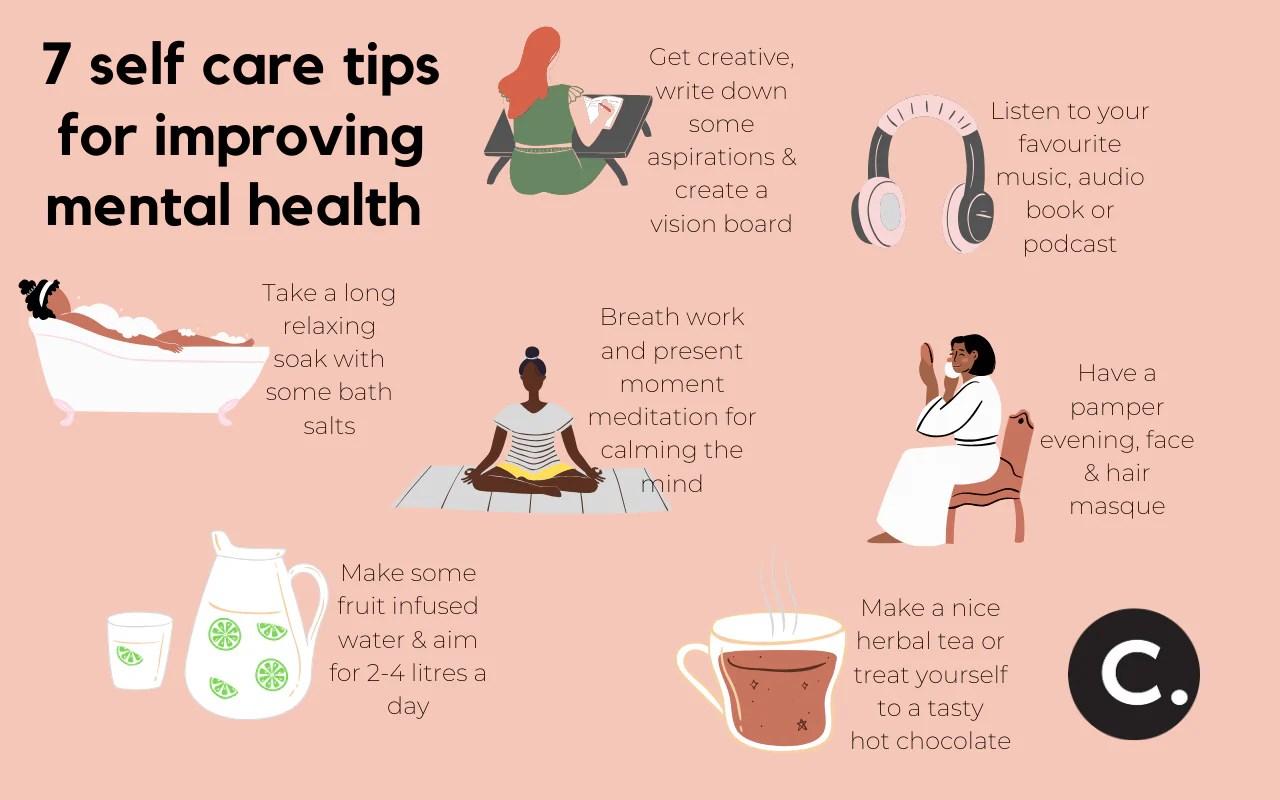
Taking proactive steps to improve your mental well-being is crucial for a fulfilling life. This section will explore several effective strategies, focusing on the practical implementation of lifestyle changes that significantly impact your mental health. Remember, consistency is key; small, sustainable changes are more effective than drastic, unsustainable ones.
Regular Exercise and Mental Health
Regular physical activity is a powerful tool for boosting mood and reducing stress. Exercise releases endorphins, natural mood elevators that have a positive impact on brain function. It can also improve sleep, reduce anxiety, and combat symptoms of depression. Examples of beneficial activities include brisk walking, jogging, swimming, cycling, or team sports like basketball or soccer. Even short bursts of activity throughout the day, such as taking the stairs instead of the elevator, can make a difference. For instance, a study published in the Journal of the American Medical Association found that regular exercise was as effective as medication in treating mild to moderate depression.
Balanced Diet and Mental Well-being
Nutrition plays a vital role in brain health and mental well-being. A balanced diet rich in fruits, vegetables, whole grains, and lean protein provides the essential nutrients your brain needs to function optimally. Conversely, a diet high in processed foods, sugar, and unhealthy fats can negatively impact mood and cognitive function. A balanced diet helps stabilize blood sugar levels, preventing mood swings and energy crashes that can exacerbate mental health challenges.
Sample Weekly Meal Plan:
| Day | Breakfast | Lunch | Dinner |
|---|---|---|---|
| Monday | Oatmeal with berries and nuts | Salad with grilled chicken or fish | Lentil soup with whole-grain bread |
| Tuesday | Greek yogurt with fruit and granola | Leftover lentil soup | Salmon with roasted vegetables |
| Wednesday | Scrambled eggs with whole-wheat toast | Tuna salad sandwich on whole-wheat bread | Chicken stir-fry with brown rice |
| Thursday | Smoothie with spinach, banana, and protein powder | Leftover chicken stir-fry | Vegetarian chili with cornbread |
| Friday | Whole-wheat pancakes with fruit | Salad with chickpeas and feta cheese | Pizza with whole-wheat crust and plenty of vegetables |
| Saturday | Breakfast burrito with eggs, beans, and vegetables | Leftover pizza | Pasta with marinara sauce and vegetables |
| Sunday | French toast with fruit | Soup and sandwich | Roast chicken with potatoes and carrots |
Sufficient Sleep and Mental Health
Adequate sleep is essential for both physical and mental health. Sleep deprivation can impair cognitive function, increase irritability, and worsen symptoms of anxiety and depression. Aim for 7-9 hours of quality sleep each night.
Tips for Improving Sleep Hygiene:
- Establish a regular sleep schedule, going to bed and waking up around the same time each day, even on weekends.
- Create a relaxing bedtime routine, such as taking a warm bath, reading a book, or listening to calming music.
- Make sure your bedroom is dark, quiet, and cool.
- Avoid caffeine and alcohol before bed.
- Get regular exercise, but avoid strenuous activity close to bedtime.
- Limit screen time before bed.
Mindfulness and Meditation Techniques
Mindfulness and meditation are practices that involve focusing your attention on the present moment without judgment. Regular practice can reduce stress, improve focus, and increase self-awareness.
Step-by-Step Guide to Mindfulness Meditation:
- Find a quiet space where you can sit or lie down comfortably.
- Close your eyes gently.
- Focus your attention on your breath, noticing the sensation of the air entering and leaving your body.
- When your mind wanders, gently redirect your attention back to your breath.
- Continue this practice for 5-10 minutes, gradually increasing the duration as you become more comfortable.
Building a Supportive Environment
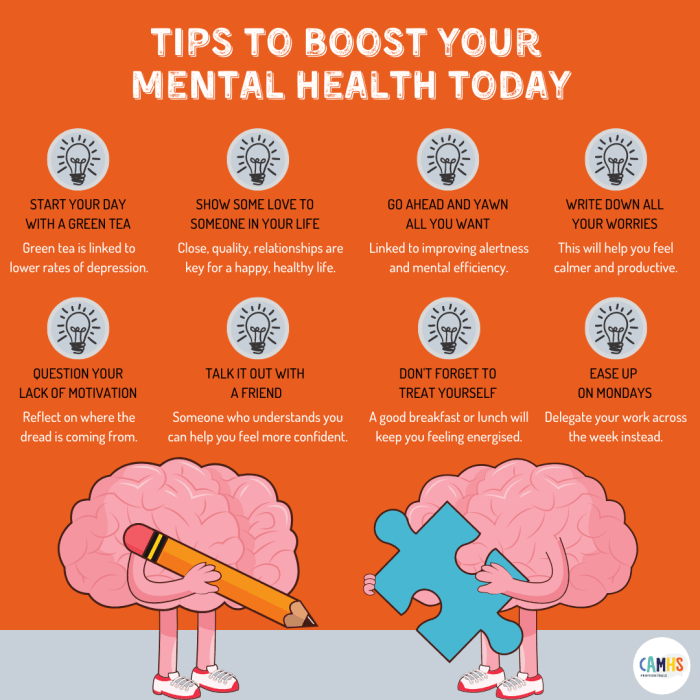
A strong support network is crucial for maintaining good mental health. Feeling connected and understood significantly impacts our resilience in the face of stress and adversity. The quality and type of support we receive play a vital role in our overall well-being. This section will explore different forms of social support and effective strategies for building and maintaining healthy relationships.
Social support comes in various forms, each offering unique benefits to mental well-being. Emotional support involves feeling loved, cared for, and accepted. Instrumental support refers to practical assistance, such as help with chores or errands. Informational support provides guidance and advice, while companionship support offers shared activities and a sense of belonging. The relative importance of each type of support can vary depending on individual needs and circumstances. For instance, someone experiencing a significant life change might benefit more from instrumental support, while someone struggling with grief might prioritize emotional support. The synergistic effect of receiving multiple forms of support is often more impactful than relying solely on one type.
Types of Social Support and Their Influence on Mental Resilience
Different types of social support contribute to mental resilience in distinct ways. Emotional support buffers against stress by providing a sense of security and validation. Instrumental support reduces the burden of daily tasks, freeing up mental energy to cope with challenges. Informational support empowers individuals to make informed decisions and navigate difficult situations effectively. Companionship support combats feelings of isolation and loneliness, fostering a sense of belonging and connection.
Effective Communication Skills for Building Strong Relationships
Open and honest communication is the cornerstone of any strong relationship. Active listening, where you fully focus on the speaker and reflect back what you’ve heard, demonstrates respect and understanding. Clearly expressing your needs and feelings, using “I” statements to avoid blame, promotes healthy conflict resolution. Empathy, the ability to understand and share the feelings of others, strengthens emotional bonds and fosters trust. Regular communication, even about seemingly trivial matters, helps maintain closeness and prevents misunderstandings.
Setting Healthy Boundaries in Personal Relationships
Setting healthy boundaries is essential for protecting your mental and emotional well-being. It involves clearly communicating your limits and expectations in relationships. This prevents others from taking advantage of you or causing you undue stress.
Scenario: Imagine a friend constantly calling you late at night to vent about their problems, disrupting your sleep and leaving you feeling drained. Setting a healthy boundary could involve a conversation like this: “I value our friendship, and I’m happy to listen when you need me. However, late-night calls interfere with my sleep, and I need to prioritize my well-being. Could we agree to connect during the day or at a more reasonable hour?” This approach is assertive yet respectful, ensuring your needs are met without damaging the friendship.
Seeking Professional Help
Recognizing when you need professional help is a sign of strength, not weakness. If you’re struggling to cope with your mental health, seeking support from a therapist or counselor can provide invaluable guidance and tools for managing challenges. The process typically begins with researching therapists in your area, considering their specialties and approach. Many insurance plans offer mental health coverage, which can help offset the cost of therapy. You can also utilize online resources to find therapists who accept your insurance or offer sliding-scale fees. Once you’ve found a therapist, scheduling an initial consultation allows you to discuss your concerns and determine if it’s a good fit. Remember, finding the right therapist may require some trial and error; it’s essential to feel comfortable and understood by your provider.
Final Summary
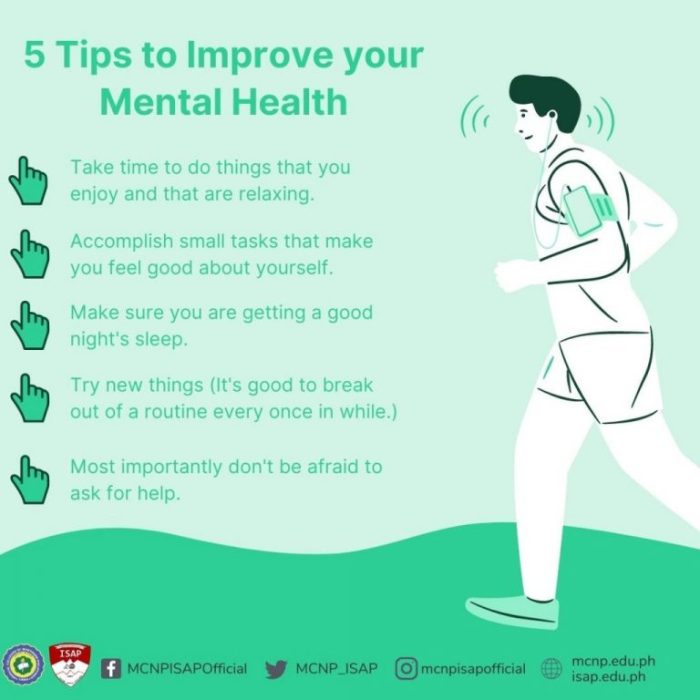
By integrating these eight strategies into your daily life, you can cultivate a stronger foundation for mental well-being. Remember, prioritizing your mental health is an ongoing journey, not a destination. Consistent effort, self-compassion, and seeking support when needed are key components of this journey. Embrace the process, celebrate your progress, and remember that investing in your mental health is an investment in a richer, more fulfilling life.