Unlocking a deeper, more fluid yoga practice is achievable through focused attention on key areas. This guide explores four crucial elements – breathwork, pose refinement, strength building, and balance enhancement – offering practical strategies to elevate your flow and deepen your connection to the practice. We’ll delve into specific techniques, mindful adjustments, and progressive plans to help you cultivate a more fulfilling and effective yoga experience.
From mastering the subtle art of pranayama to refining transitions between challenging poses, we’ll navigate the path towards a more seamless and invigorating yoga journey. Understanding the intricate relationship between breath, movement, and body awareness forms the bedrock of this transformative process. This guide provides clear, actionable steps for yogis of all levels, fostering both physical progress and a heightened sense of mindfulness.
Improving Breathwork and Body Awareness
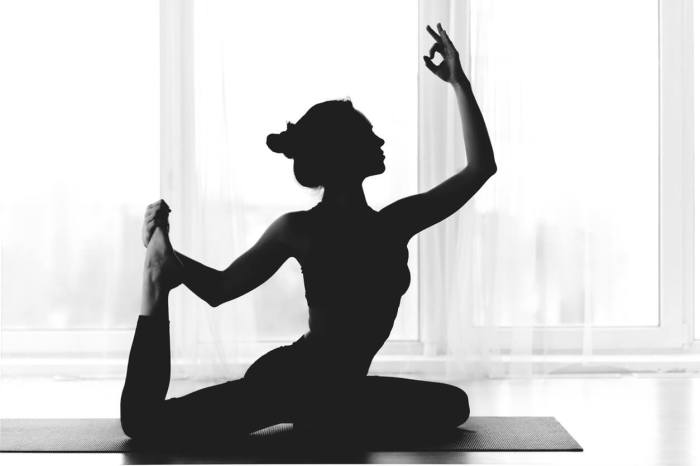
Optimizing your yoga practice hinges on a deep understanding and skillful application of breathwork (pranayama) and body awareness. These two elements are intrinsically linked, creating a synergistic relationship that enhances flow, improves posture, and deepens your overall yoga experience. By consciously connecting your breath to your movement, you unlock a more fluid, graceful, and powerful practice.
The connection between breath and movement in yoga is fundamental. Breath acts as the engine that drives the postures, creating fluidity and enabling deeper stretches. Inhale can expand the body into a pose, while exhale can deepen the stretch or transition to the next movement. This coordinated effort creates a rhythmic and efficient practice.
Pranayama Techniques to Enhance Flow
Several pranayama techniques can significantly improve your yoga flow. Ujjayi breath, often called “ocean breath,” is a particularly popular choice. Its gentle constriction in the throat creates a warming sensation in the body and helps to focus the mind. Dirga pranayama, or three-part breath, involves a full, conscious inhalation and exhalation, expanding and contracting the abdomen, rib cage, and chest. This technique encourages deep, calming breaths, preparing the body and mind for deeper practice. Finally, Kapalabhati, or skull shining breath, involves a series of forceful exhalations followed by passive inhalations. This invigorating technique can energize the body and increase circulation.
Cultivating Mindful Movement and Body Awareness
Mindful movement and body awareness are crucial for optimizing your yoga practice. Mindful movement encourages you to pay attention to the sensations in your body as you move through each posture. This heightened awareness allows you to identify areas of tension, adjust your alignment, and prevent injury. Cultivating this awareness involves focusing on the subtle nuances of each movement, noticing how your muscles engage and release, and paying attention to your body’s natural rhythm.
To cultivate body awareness, start by slowing down your movements. Observe how each part of your body feels as you move. Pay attention to your breath and how it influences your postures. Use props such as blocks and straps to support your body and deepen your awareness of its limitations and possibilities. Regular self-reflection on your practice will also help. Ask yourself how you felt in each posture, what sensations you experienced, and how you can refine your practice.
Comparison of Breathing Techniques
| Technique Name | Description | Benefits for Yoga Flow | Potential Challenges |
|---|---|---|---|
| Ujjayi Breath | Gentle constriction in the throat creates a soft, audible sound during inhalation and exhalation. | Creates warmth, focuses the mind, improves breath control, enhances fluidity and transitions between poses. | Can be difficult to master initially; may cause dizziness or lightheadedness if overdone. |
| Dirga Pranayama (Three-Part Breath) | Full breath engaging the abdomen, rib cage, and chest in a coordinated sequence. | Increases lung capacity, calms the nervous system, promotes relaxation, improves stamina and endurance during practice. | Requires practice and patience; may feel awkward initially. |
| Kapalabhati Breath | Forceful exhalations followed by passive inhalations; a more active breathing technique. | Energizes the body, increases circulation, cleanses the respiratory system, can prepare the body for a more vigorous practice. | Should be avoided if pregnant, have high blood pressure, or other health concerns; can be overwhelming for beginners. |
Refining Poses and Transitions
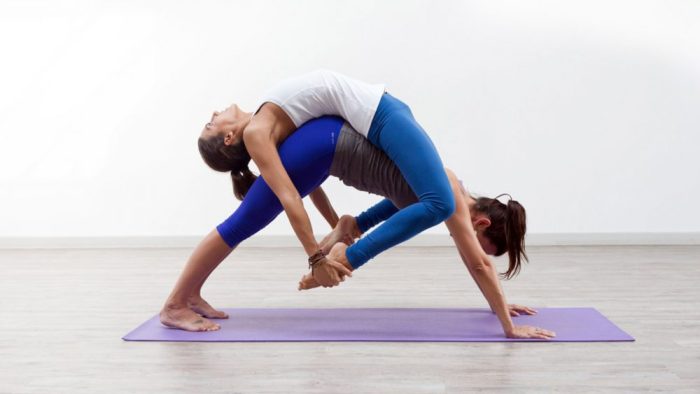
Refining your poses and transitions is crucial for developing a smooth and safe yoga practice. Precise alignment in each pose maximizes the benefits and minimizes the risk of injury, while fluid transitions create a dynamic and enjoyable flow. This section will explore techniques for improving both aspects of your practice.
Sun Salutations A and B Transition
A seamless transition between Sun Salutations A and B requires mindful coordination of movement and breath. The following steps illustrate a smooth and safe transition.
- From Downward-Facing Dog (Adho Mukha Svanasana): Inhale, and shift your weight slightly forward.
- Forward Fold (Uttanasana): Exhale as you bring your torso forward, keeping your spine long. Your hands can be on the floor or on blocks for support. Focus on lengthening your spine, not rounding your back.
- Halfway Lift (Ardha Uttanasana): Inhale, gently straighten your legs and lift your chest halfway, maintaining a slight bend in your knees if necessary. Engage your core to support your spine.
- Standing Forward Bend (Uttanasana): Exhale, and return to a standing forward bend, lengthening your spine.
- Plank Pose (Phalakasana): Inhale, step or jump back to plank pose, maintaining a straight line from head to heels.
- Chaturanga Dandasana: Exhale, lower down to Chaturanga Dandasana, keeping your elbows close to your body and maintaining a straight line from shoulders to ankles.
- Upward-Facing Dog (Urdhva Mukha Svanasana): Inhale, press into your hands and lift your chest, keeping your shoulders away from your ears.
- Downward-Facing Dog (Adho Mukha Svanasana): Exhale, and return to Downward-Facing Dog.
Postural Misalignments in Warrior II and Triangle Pose
Common misalignments in Warrior II and Triangle Pose often stem from a lack of core engagement and hip stability. Addressing these issues improves form and prevents potential injury.
Warrior II (Virabhadrasana II): A common misalignment is turning the front knee inward, causing strain on the knee joint. The front knee should be directly over the ankle, with the front thigh parallel to the floor. Another common error is allowing the hips to twist open, rather than facing forward. Actively engage your core to maintain stability and alignment. The back leg should be fully extended with the heel grounded.
Triangle Pose (Trikonasana): In Triangle Pose, the most frequent misalignment involves hunching the upper body. The torso should be long and extended, not collapsed. Avoid hyperextending the back leg. The back leg should be straight, but not locked. Additionally, the weight should be distributed evenly across both feet, preventing the hips from tilting.
Hip Opening Sequence
This short sequence focuses on opening the hips, improving flexibility, and promoting relaxation.
- Bound Angle Pose (Baddha Konasana): Sit with the soles of your feet together and gently press your knees towards the floor. Hold for 1-3 minutes, focusing on deep breaths and releasing tension in the hips and inner thighs. This pose improves hip flexibility and releases tension in the groin.
- Transition to Supta Baddha Konasana (Reclined Bound Angle Pose): Gently recline your torso back, supporting it with pillows or bolsters if needed. Allow your arms to rest comfortably by your sides. Hold for 2-5 minutes, deepening the hip opening and promoting relaxation. This variation offers a deeper stretch and enhances relaxation.
- Pigeon Pose (Kapotasana): Start on your hands and knees, bring your right knee forward behind your right wrist, and extend your left leg back. Lower your hips toward the floor, keeping your torso upright. Hold for 1-3 minutes on each side, focusing on lengthening your spine and opening your hips. This pose stretches the hip flexors and piriformis muscle.
- Transition to Sleeping Pigeon: Gently lower your torso to the floor, resting on your forearms. This variation further deepens the hip opening and promotes relaxation. Hold for 1-3 minutes on each side.
- Savasana (Corpse Pose): Lie on your back with your arms at your sides, palms facing up. Close your eyes and relax your entire body. Stay in Savasana for 5-10 minutes, allowing your body to fully integrate the benefits of the practice. This pose allows for complete relaxation and integration of the stretches.
Developing Strength, Flexibility, and Balance
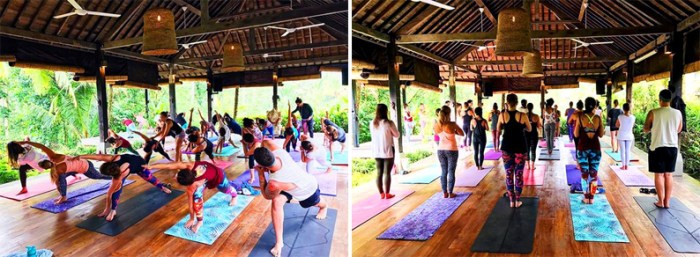
Developing strength, flexibility, and balance is crucial for a well-rounded yoga practice and overall well-being. A consistent, progressive approach is key to safely and effectively improving these aspects of your physical fitness. This section Artikels a 12-week plan, explores the benefits of different yoga styles, and details a series of poses designed to enhance balance.
A 12-Week Plan for Building Strength, Flexibility, and Balance
This plan provides a framework for progressive improvement. Remember to listen to your body and modify poses as needed. Always consult with a healthcare professional before starting any new exercise program.
Week 1-4: Focus on foundational poses and building awareness. Include sun salutations (Surya Namaskar A & B), downward-facing dog (Adho Mukha Svanasana), plank pose (Phalakasana), child’s pose (Balasana) for rest, and warrior II (Virabhadrasana II). Hold each pose for 30 seconds, focusing on proper alignment and breath. Gradually increase hold time by 15 seconds each week.
Week 5-8: Introduce more challenging poses. Incorporate triangle pose (Trikonasana), half-moon pose (Ardha Chandrasana), low lunge (Anjaneyasana), and tree pose (Vrksasana). Continue to increase hold times and focus on deepening your stretches. Consider adding weights (e.g., ankle weights) to increase the intensity of standing poses.
Week 9-12: Refine your practice and increase intensity. Explore advanced variations of poses like advanced warrior II (Virabhadrasana II variations), side plank (Vasisthasana), crow pose (Kakasana – only if you have sufficient upper body strength and balance), and headstand (Sirsasana – only with proper instruction and supervision). Maintain mindful breathing and focus on stability and control throughout.
Comparing Yoga Styles for Strength, Flexibility, and Balance
Different yoga styles offer varying degrees of emphasis on strength, flexibility, and balance.
Hatha yoga emphasizes proper alignment and holding poses for longer durations, promoting strength and flexibility. Vinyasa yoga, with its flowing sequences, builds strength and endurance while improving flexibility and coordination. Ashtanga yoga, a vigorous style, develops significant strength, flexibility, and stamina. Each style offers unique benefits, and the best choice depends on individual goals and fitness levels. A balanced approach, incorporating elements from different styles, might be the most effective way to develop all three aspects.
Poses for Improving Balance
Balance is essential for everyday life and yoga practice. These poses improve proprioception (body awareness) and strengthen stabilizing muscles.
Maintaining balance involves coordinating muscles, vision, and the inner ear. These poses progressively challenge your balance, leading to improved stability and coordination.
- Tree Pose (Vrksasana): Improves leg strength, balance, and focus. Engage core muscles to maintain stability.
- Warrior III (Virabhadrasana III): Strengthens legs and core, improves balance, and enhances focus. Maintain a straight line from head to heel.
- Half-Moon Pose (Ardha Chandrasana): Builds leg and core strength, improves balance, and stretches hips and hamstrings. Maintain a straight line from hand to foot.
- Eagle Pose (Garudasana): Improves balance, strengthens legs and ankles, and increases focus. Concentrate on maintaining stability through the legs and core.
- Standing Splits (Urdhva Prasarita Eka Padasana): Improves balance, hip flexibility, and leg strength. Engage core muscles to prevent falls.
Final Summary
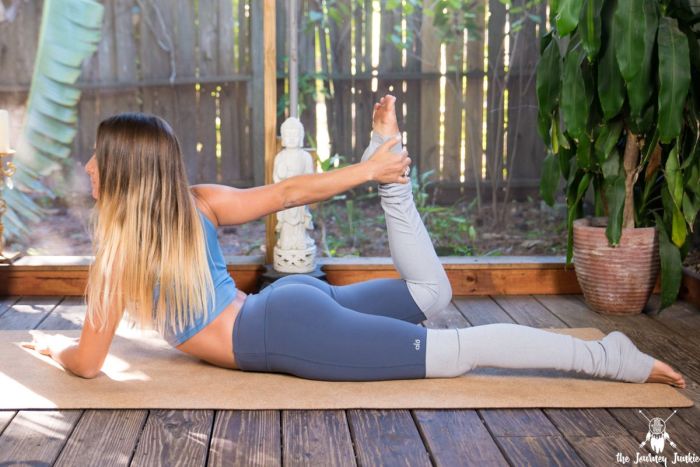
By integrating these four key elements – refined breathwork, precise pose execution, progressive strength building, and enhanced balance – you can significantly transform your yoga practice. This journey of self-discovery and physical improvement will not only lead to a more fluid and enjoyable flow but also cultivate a deeper connection to your body and mind. Embrace the process, be patient with yourself, and enjoy the unfolding journey of enhanced yoga practice.